A US Senate proposal would make large data centers pay more for grid expansion. Here's why the AI infrastructure debate matters for electricity bills—and what is not law yet.
Money no Sofá Global Newsroom | November 9, 2026 | United States · AI, Energy & Money
WHAT MATTERS IN 30 SECONDS
America’s AI data-center boom needs far more electricity and grid infrastructure. A bipartisan US Senate bill would make large data centers bear more of the costs they trigger instead of spreading those costs across ordinary electricity customers. Senators are debating the proposal, not implementing an enacted law. Its financial consequences will depend on the final text, regulators and state utility rules.
WHAT CHANGED?
The Bipartisan American Affordability and Jobs Act of 2026, introduced as a permitting and energy-infrastructure proposal in September, is now at the center of a November 9 Senate debate. It would speed decisions about power plants and transmission lines while reforming who pays for the grid expansion needed by major computing facilities. Reuters reported broad interest in the proposal after rising electricity costs and data-center construction became important issues in the US midterm-election debate.
The legislation is a proposal, and support is not unanimous. Lawmakers, environmental organizations and tribal representatives disagree over how permitting rules should change and whether the compromise adequately protects environmental reviews and tribal consultation. A bill can remain under debate, be amended or fail to pass; today is not a new law’s start date.
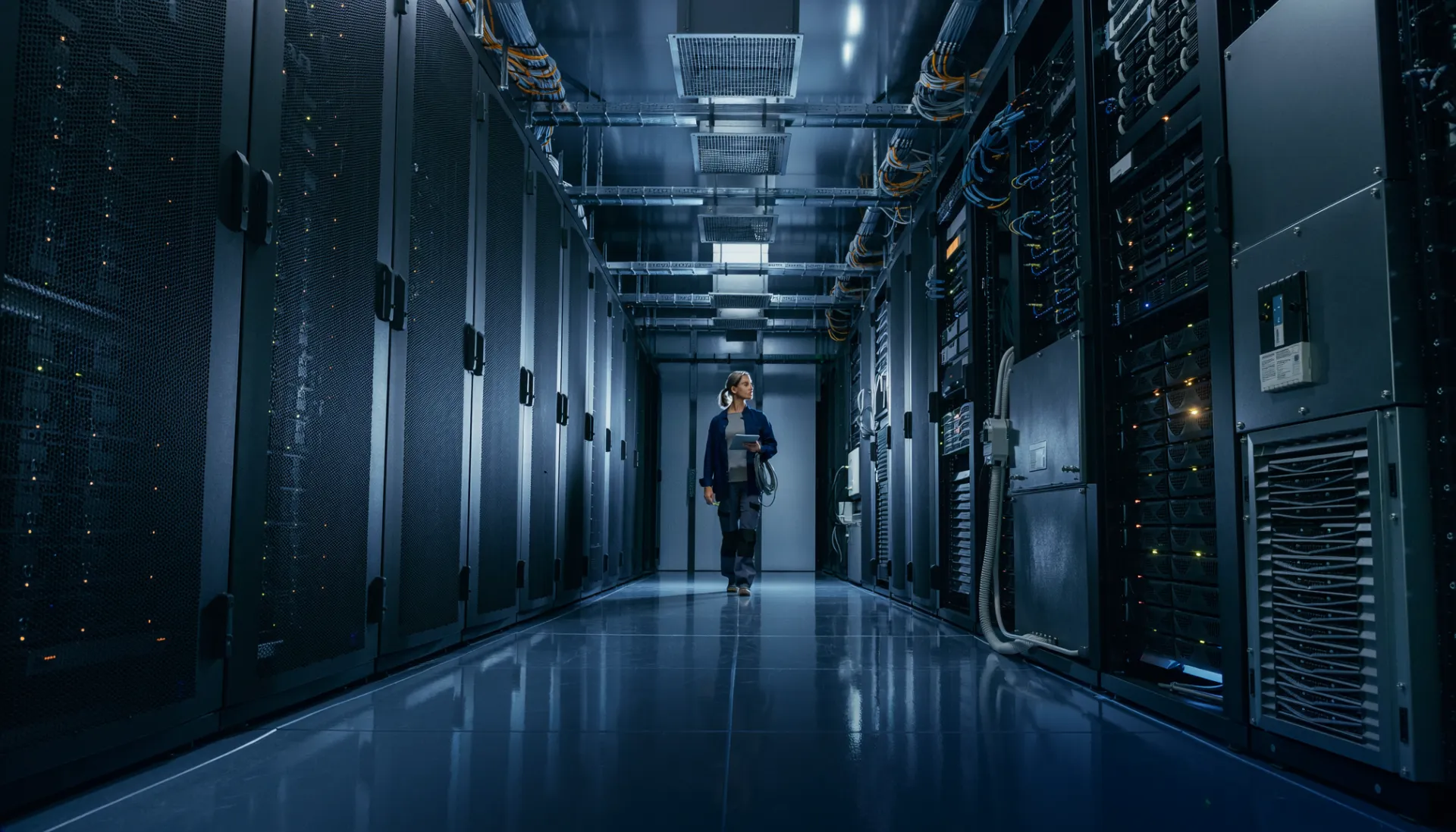
WHY SHOULD A HOUSEHOLD CARE ABOUT AN AI DATA CENTER?
Training and running AI systems require servers, cooling equipment, transmission connections and a dependable supply of power. When a new facility adds demand to a local grid, utilities may need new lines, substations, generation or storage. If a project does not cover its full incremental costs, those costs may eventually be spread through rates paid by other customers. The scale of that impact varies widely by region and utility rules; no single national number describes every household’s bill.
The proposed approach would require greater data-center cost responsibility, including grid-related charges and safeguards if a project closes early. In principle, this could protect homeowners and small businesses from bearing costs created by facilities they do not own. But rate effects would depend on implementation, and some costs can still be shared when upgrades benefit the wider system.
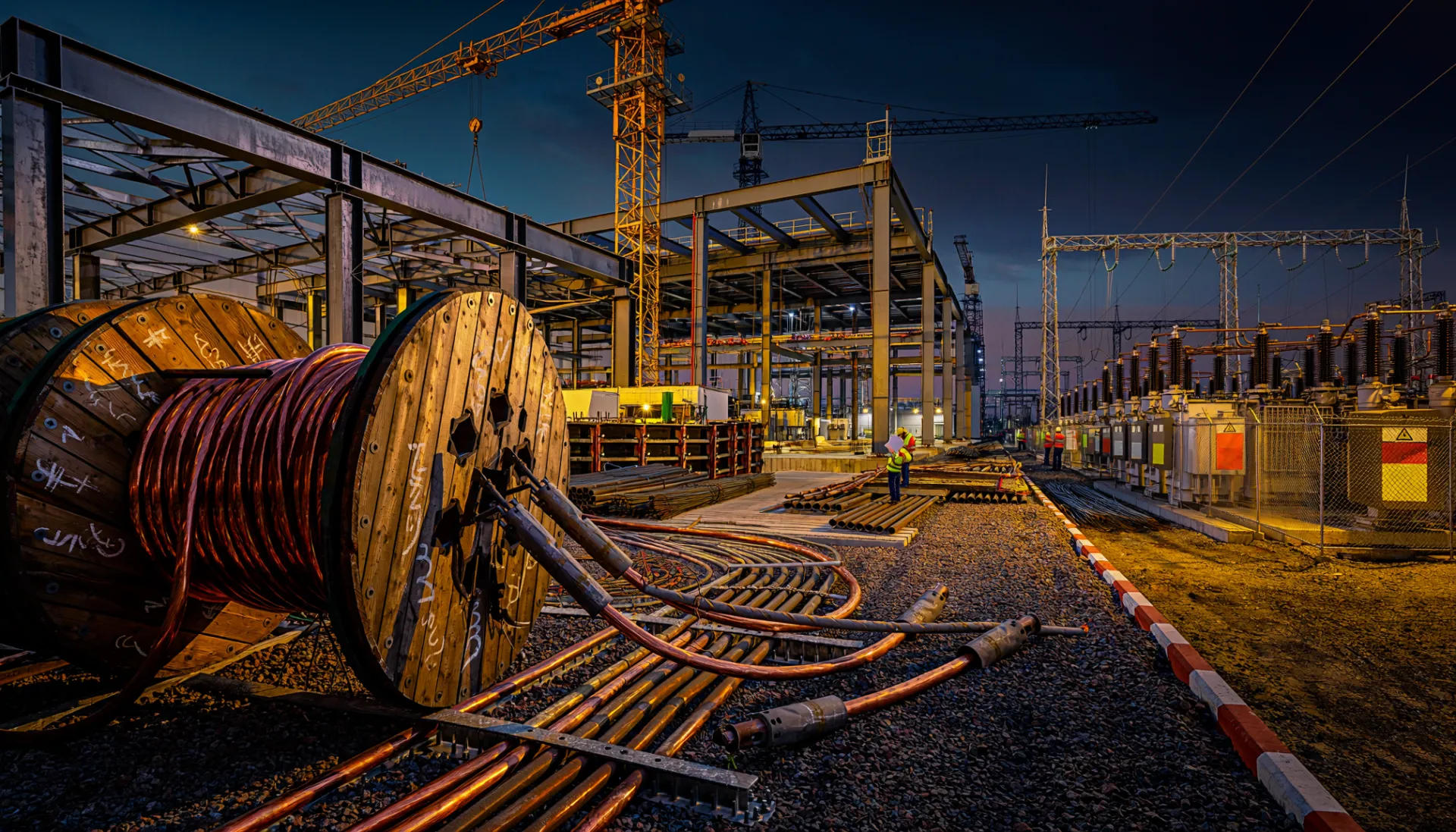
THE MONEY CONSEQUENCE: WHO PAYS FOR THE WIRES?
Think of three potential payers: the data-center operator that causes the demand, the utility customer paying monthly bills, and investors financing the infrastructure. The central question is how regulators allocate the risk if computing demand grows faster than expected — or if a developer abandons a project after the grid has already been expanded.
The Bipartisan Policy Center’s explainer says one part of the proposal would make new data centers and high-density computing facilities of at least 20 megawatts pay the incremental costs of facilities built to serve them. Its analysis also notes a separate transmission-pricing change that would apply more broadly. Importantly, any customer savings would take time and depend on federal and state implementation. Those are proposals, not current utility bills.
CAN THIS REALLY LOWER ELECTRICITY BILLS?
Supporters point to model-based estimates that the legislation could make electricity bills lower than they otherwise would be over the long term. A US Senate committee release cites outside analyses projecting average household savings of roughly $50–$78 per year by 2040. That is a scenario estimate for a future year, not a guaranteed discount, an immediate saving or a figure every household will receive.
Critics say faster permitting can weaken reviews and indigenous consultation, and may enable more energy infrastructure with its own environmental costs. The most credible way to assess the promise is to compare actual rate decisions, infrastructure spending and data-center contributions after any law and regulations take effect. Today, no consumer should assume their next electricity statement will be lower because of this debate.
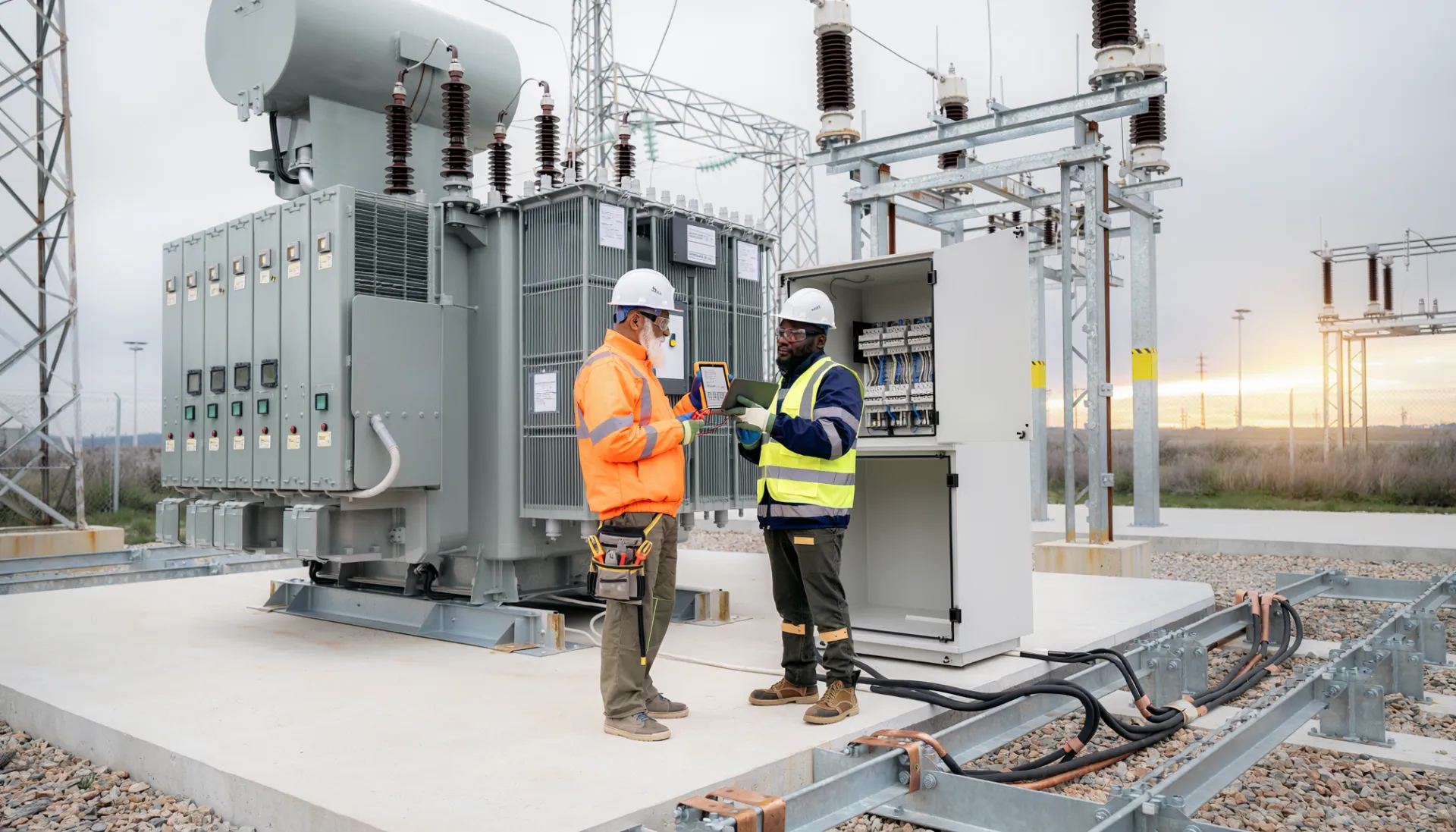
WHO IS AFFECTED?
Households: electricity is a recurring cost, and the allocation of grid spending matters most in regions with heavy new data-center demand. Small businesses: electricity prices influence margins and pricing. Utilities and investors: developers may face different infrastructure charges, regulatory risk and financing needs. AI companies and cloud customers: more realistic energy costs may feed into project economics and eventually cloud-service pricing, though no specific price change has been established.
THE GLOBAL ANGLE
This is a US debate with international implications. The same competition for electricity, land, permits, cooling capacity and investment is playing out in parts of Europe and other regions. Countries seeking AI infrastructure must choose how to balance jobs and technology investment with environmental rules, reliable supply and affordability. The American proposal is not a rule for Canada, the UK or Brazil, but the question of who pays for the extra grid capacity travels across borders.
WHAT TO WATCH NEXT
Follow the Senate’s consideration of amendments and votes, the details of any final compromise, the roles of the Federal Energy Regulatory Commission and state regulators, and measurable changes to utility bills. Also watch whether technology companies disclose the full operating and infrastructure costs of their data-center expansion. Do not confuse a political promise with an enacted law or a forecast with an observed saving.
THE MNS LENS
The future of AI is not only about chips and model performance. It is about who has the capital to build electricity infrastructure, who carries the risk of a failed project, and who sees that cost appear on a bill. The financial question is simple: should a household pay for a grid upgrade that a private data center needs? The answer depends on who benefits and who is protected by the actual rules.
ASK NOVA
Ask: ‘How do I compare my electricity costs year over year, and which changes can I control if prices rise?’ Use the MNS Save Money Planner.
Ask NOVA: Could AI affect my electricity bill?
MORE MONEY CONTEXT
Related MNS coverage: America’s rising energy bill · The AI boom’s financing costs · CoreWeave’s upcoming cash-flow test.
SOURCES / VERIFICATION
- US Senate Energy and Natural Resources Committee, November 5: bill sponsor’s fact sheet (primary policy source).
- US Senate Committee, November 6: analysis-based savings projections.
- Bipartisan Policy Center, November 3: technical explanation and implementation limits.
- Reuters, November 9: Senate debate and competing perspectives.
Editorial disclosure: This is an independently written explanatory report, not a statement that the legislation has passed or that savings are guaranteed. AI-generated images, if shown, are conceptual illustrations, not documentary photographs of Congress or specific data centers. Not personalized financial advice.
The headline is only the start.
Ask Nova what this story could change in your budget, savings, debt, investments or next purchase.