NASA now owns the X-59 built with Lockheed Martin Skunk Works. What the research milestone means for taxpayers, sonic-boom rules and the business of future flight. Research draft, not published.
Research updated November 24, 2026; native English international MNS analysis; all future benefits explicitly hypothetical.
A handover that says more than a flight headline
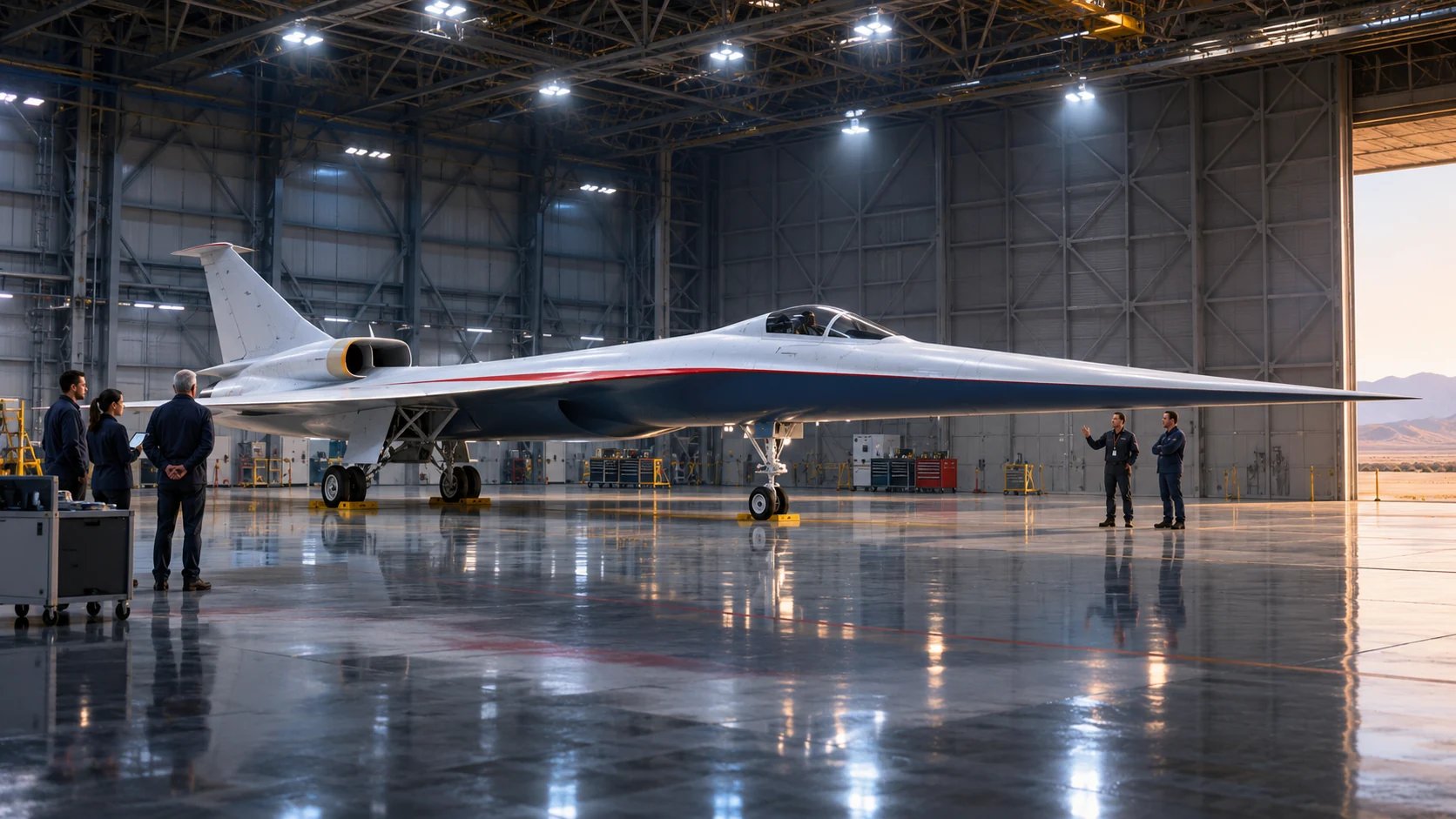
On November 23, 2026, NASA announced that it had formally taken ownership of the X-59 quiet-supersonic research aircraft from Lockheed Martin Skunk Works. The transfer itself took place on November 18, after a period of contractor-led development and flight testing. The aircraft had made its first flight on October 28, 2025. These dates matter because the latest news is not a claim that supersonic passenger service has begun or that a radically new commercial jet has been certified. It is a change in ownership and the next phase of a public research program intended to produce evidence about a very specific aviation problem.
That problem has an economic dimension. Fast aircraft are not useful to airlines simply because they can travel quickly. They must satisfy safety requirements, operate at sustainable costs and fit within restrictions that protect people on the ground. The X-59 is being used to investigate whether sonic booms can be reduced to a quieter disturbance and how people respond to that sound. Its research could inform future regulatory discussions. It cannot, by itself, answer whether a commercial supersonic route would be profitable. That is precisely why this is a Money no Sofá story rather than another gallery of a remarkable airplane.
What NASA actually confirmed
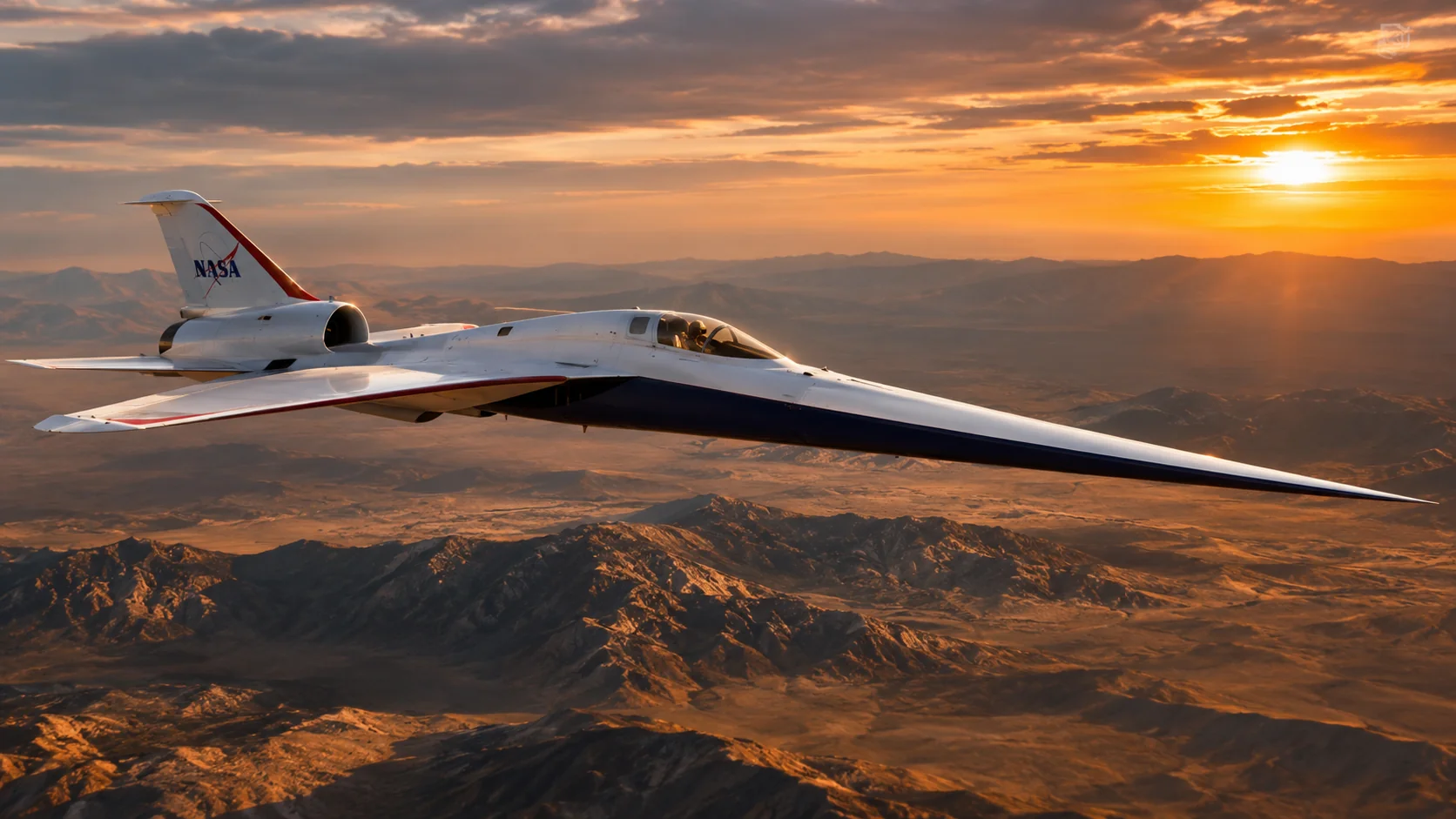
NASA’s official Quesst program update says the agency took ownership from Lockheed Martin Skunk Works after working toward completion of an aircraft acceptance review. Lockheed Martin had retained ownership while flight tests continued out of NASA’s Armstrong Flight Research Center in Edwards, California. Following the handover, the contractor will provide supplemental assistance as needed, while NASA continues research activities under its own ownership. That is a program milestone involving technical verification, accountability and a changed division of responsibility.
The announcement also places the X-59 in NASA’s broader use of experimental aircraft to advance aeronautical research. NASA’s purpose is not to operate scheduled passenger services. Its teams intend to gather data that can be shared with US and international regulators. For readers assessing public technology spending, this distinction is crucial. A research aircraft can demonstrate a physical capability without being a commercially viable product. Its value may lie in better evidence, technical knowledge and a clearer basis for future private investment decisions rather than in immediate ticket revenue.
The difference between a sonic boom and a sonic thump
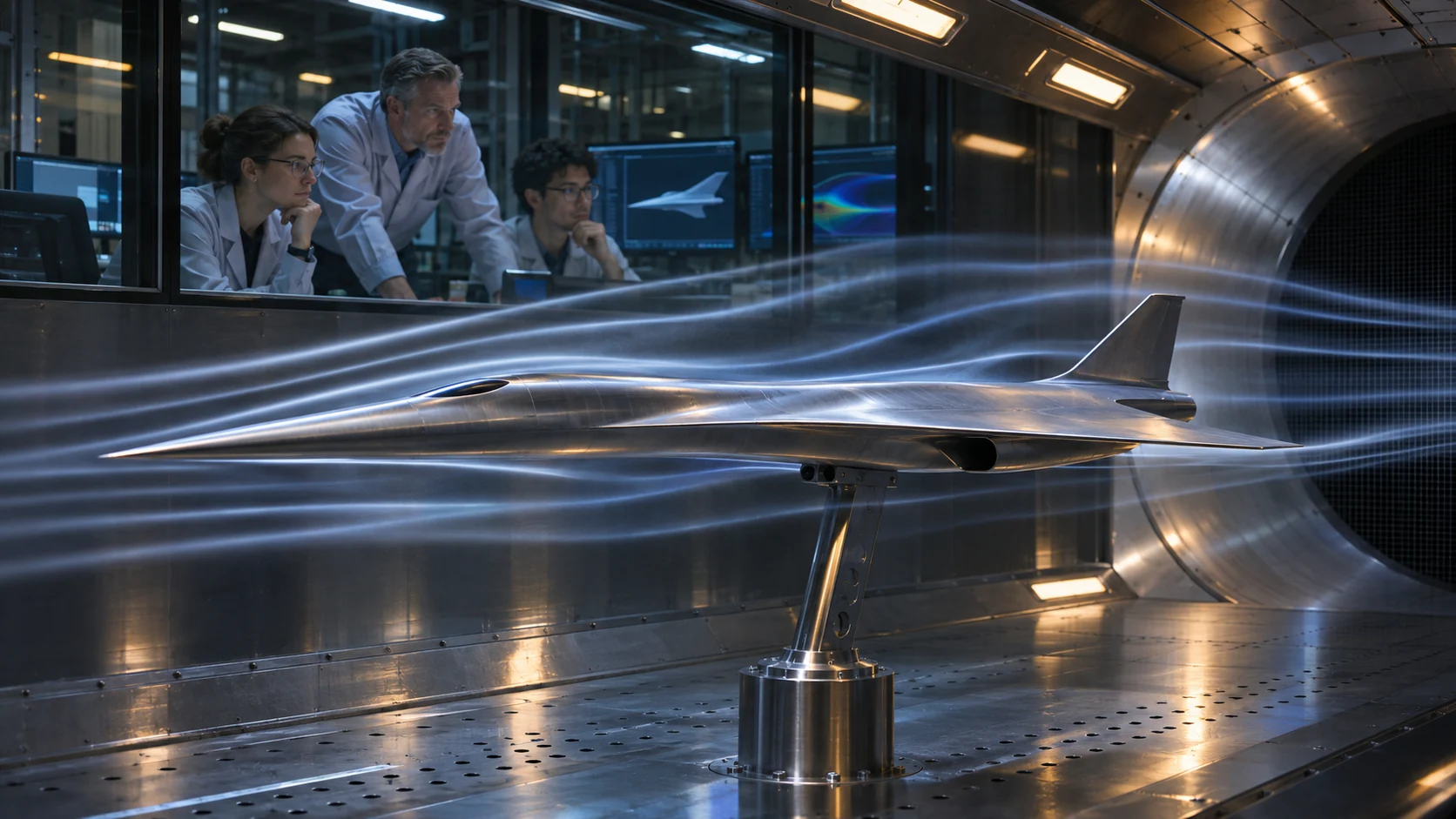
When an aircraft travels faster than sound, the pressure disturbances it creates can be experienced on the ground as a disruptive sonic boom. The X-59 was designed to change how those disturbances are shaped so that observers perceive something closer to a quieter sonic thump. NASA is testing a research concept intended to reduce disturbance, not promising that all sonic effects disappear or that every route will be permitted. Public acceptance must be measured, and technical results must withstand scrutiny before influencing long-term rules.
For an airline, noise is not merely a technical characteristic. It affects where flights can operate, which routes are available and what restrictions regulators may impose. A powerful engine or faster travel time is not enough if a route cannot legally be flown or creates unacceptable effects on communities. The economic hypothesis behind quiet supersonic research is that changing the acoustic profile might open possibilities that existing rules and public concerns have constrained. The research must still establish whether those possibilities are realistic, and separate rules about safety, emissions and airport operation would remain relevant.
Why Skunk Works matters
Skunk Works is the advanced development organization associated with Lockheed Martin. Its involvement brings together experimental aircraft design, systems engineering, manufacturing and test operations. In the X-59 program, the organization worked with NASA to create a purpose-built aircraft capable of investigating a narrow but difficult aeronautical problem. The public should not confuse that role with a claim that Lockheed Martin has launched a private passenger jet service. Nor should the project be described as a secret military weapon simply because Skunk Works has worked on defense technology in other programs.
The supplier relationship matters financially. Public agencies may rely on specialist industrial partners when they need engineering capabilities, test infrastructure or manufacturing experience that would be expensive or slow to recreate internally. Contractors must meet agreed requirements, document progress and participate in acceptance processes. Public ownership transfer is one visible sign that the relationship has moved to a new phase. It does not reveal the full project budget, the contractor’s profit or any new commercial order. Those would require verified contract and financial records rather than inference.
What changed with the ownership transfer
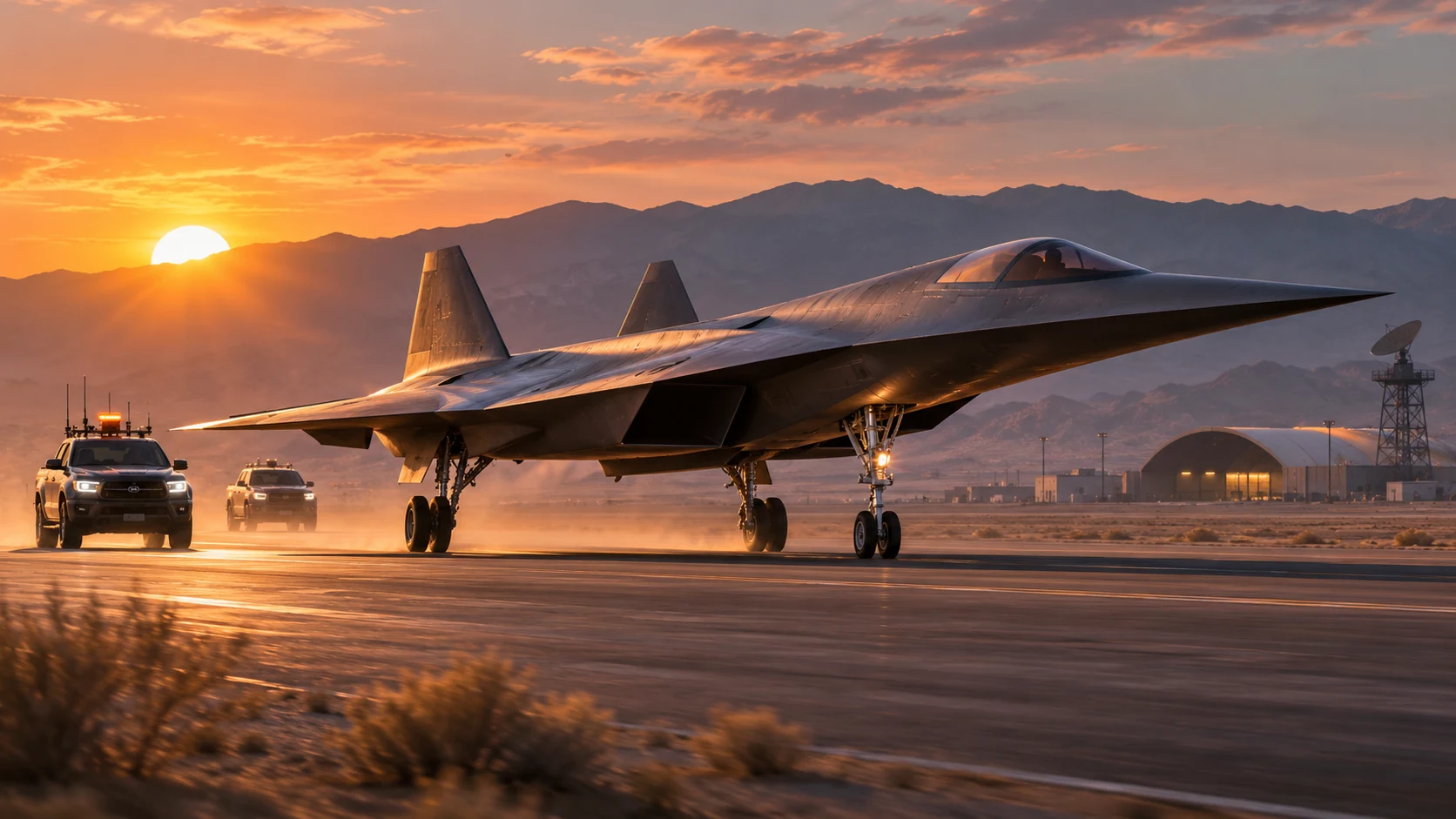
Ownership is a legal and operational issue, not just a ceremonial label painted on the side of an aircraft. During development, a contractor can bear responsibility for delivering equipment and completing specified tests while the customer prepares for acceptance. Transfer often signals that the parties have reached a defined threshold in the contractual process. In NASA’s account of the X-59, the acceptance review was a key part of this transition. The practical importance is which organization now directs the next phase of research and maintains responsibility for the aircraft under the program.
This handover does not mean the research is finished. NASA explicitly said the X-59 will continue flight testing, with Lockheed Martin available for supplemental support. Further research could identify changes that improve understanding or reveal limitations. A useful way to read the announcement is therefore as evidence that one phase of the project has progressed sufficiently to permit handover, while the scientific and operational questions motivating the aircraft remain open. That is more informative than treating a contract milestone as a completed technological revolution.
The public-money question
Experimental aerospace projects use specialized talent, manufacturing facilities, sensors, test crews and lengthy validation processes. That makes them more than engineering showcases. They are decisions about how public research funding is used to produce knowledge that private companies may later apply. The exact value of the X-59 program should be obtained from current NASA budget and contract records before being included in a headline. A historical budget estimate can have a different scope or date than the costs ultimately incurred.
The right economic evaluation asks what the program is designed to learn and whether its results could reduce uncertainty for regulators, aerospace manufacturers and airlines. Not every public research project needs immediate sales to justify its mission, but claims about taxpayer value still require clarity. A test aircraft can improve measurement, identify design trade-offs, support technical standards and reveal why an attractive idea is difficult. All of those outcomes can matter to economic decision-making. They should be reported as prospective benefits, not counted as realized revenues while the test campaign is still underway.
Could commercial airlines use this technology?

That is the question most readers naturally ask after hearing about quieter supersonic flight. A commercial operator would need a suitable aircraft, certified systems, practical maintenance economics, airport access, route permissions and sufficient passengers willing to pay a viable fare. Lower perceived noise might help with one barrier, but it would not solve the entire business problem. Fuel consumption, seating density, aircraft acquisition costs, maintenance schedules, emissions requirements and competition with existing service are among the other constraints.
Consider a hypothetical long-distance traveler choosing between a conventional nonstop flight and a faster but more expensive service. The traveler may value time saved, yet the airline must cover much more than the direct fuel cost of a particular trip. It needs high enough utilization and a route network that supports operations over time. Faster flight can create an attractive product for some passengers without automatically becoming attractive for everyone. NASA’s research supplies evidence about a potential technical and regulatory obstacle; it does not provide the financial model for such a hypothetical airline.
Noise and the cost carried by communities

Transportation technologies distribute costs across different groups. A passenger benefits from speed, an airline considers operating economics, and people living beneath flight paths may experience the sound. Rules about noise exist because those external effects cannot be evaluated solely by comparing ticket prices. A quieter sonic signature could matter to communities, but the response must be measured rather than assumed. NASA’s Quesst work is designed in part to gather public reaction data that can inform regulators.
This human dimension should remain central to any discussion of commercial opportunity. A project that increases travel speed but imposes unacceptable noise could face lasting restrictions. A project that substantially changes the disturbance could open a different regulatory conversation. Neither result should be predicted before the tests and analysis are complete. The economic case rests on matching useful technology with requirements that protect people outside the aircraft as well as those inside it.
The international regulatory dimension

Aviation is international by design, but aircraft do not operate under a single global rulebook. National authorities and international organizations must consider safety and noise standards, and commercial routes can cross many jurisdictions. NASA has said it wants to share X-59 research findings with regulators to help inform data-driven thresholds. That creates a plausible pathway from a US research program to conversations affecting aviation in other countries.
For Brazil, Europe, Canada and the United Kingdom, the global relevance is not that their airports are already preparing to host X-59 passenger routes. No such conclusion follows from this research announcement. The relevance is that future standards about acceptable supersonic noise could influence aircraft design and the routes manufacturers and airlines consider. Regulatory processes, public acceptance and economics would still need to align. That is why an English-language Money no Sofá article has international value even though the immediate milestone occurred at a NASA test facility in California.
What this means for Lockheed Martin as a business
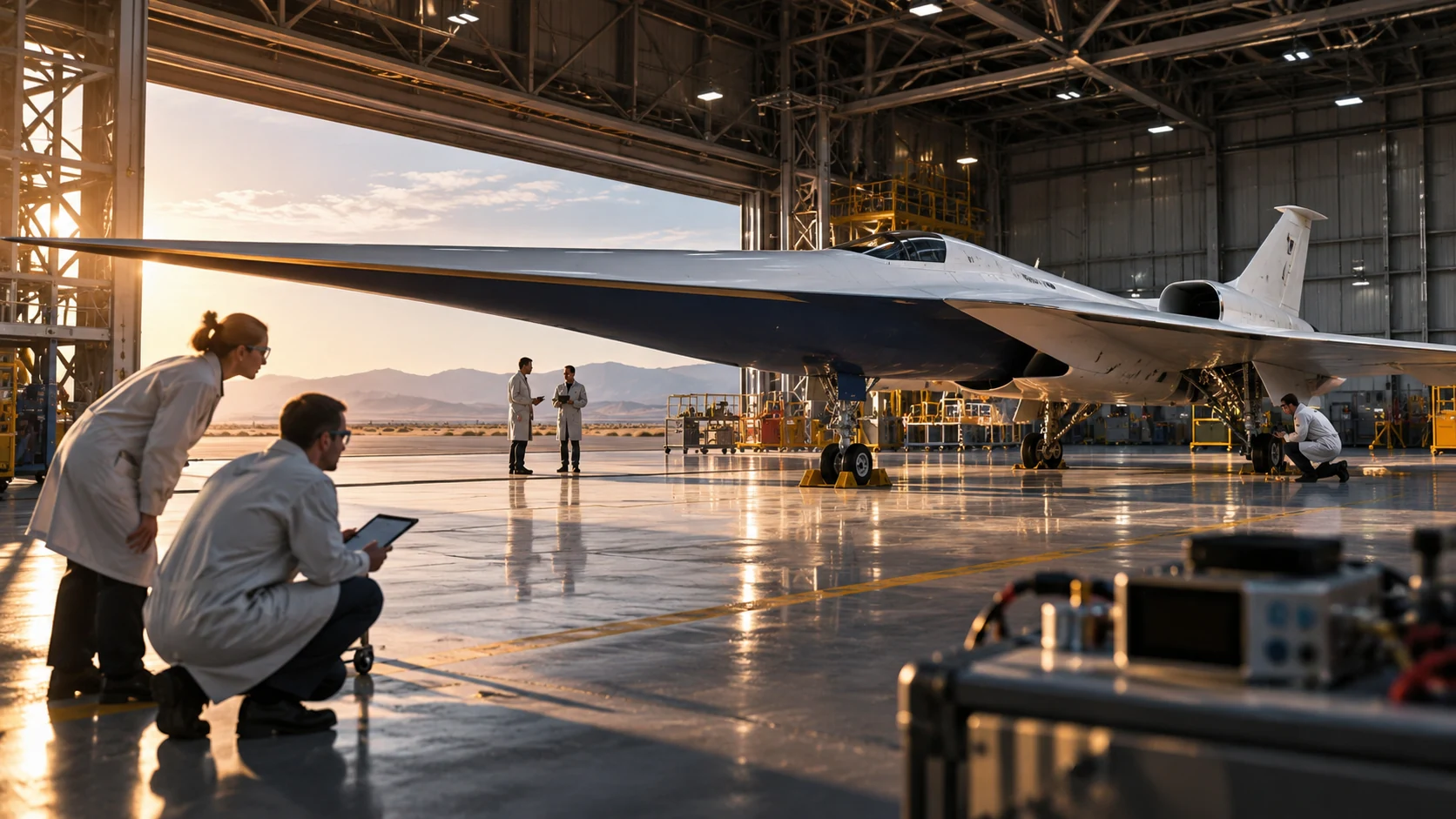
Lockheed Martin is a major aerospace and defense contractor, and Skunk Works is associated with demanding experimental programs. The X-59 demonstrates collaboration with a civil research agency rather than a specific sales pipeline for a passenger aircraft. Investors interested in the company’s finances should distinguish contracts with revenue recognition from broad narratives about technological leadership. A successful technical milestone can strengthen experience and credibility, but it does not by itself disclose a new profit forecast or confirm downstream customer orders.
Similarly, public research may support skills and industrial capabilities without immediately generating a new business line. Specialized suppliers could learn from manufacturing, sensors, test equipment and design work. Some of that knowledge may be relevant elsewhere; whether it creates measurable revenue depends on future programs and contracts. The sensible MNS framing is that a milestone improves the information available to NASA and its partners. It would be misleading to imply that Lockheed Martin’s stock must rise or that supersonic travel will soon become a mass-market product because an ownership document was signed.
What a realistic investor should watch
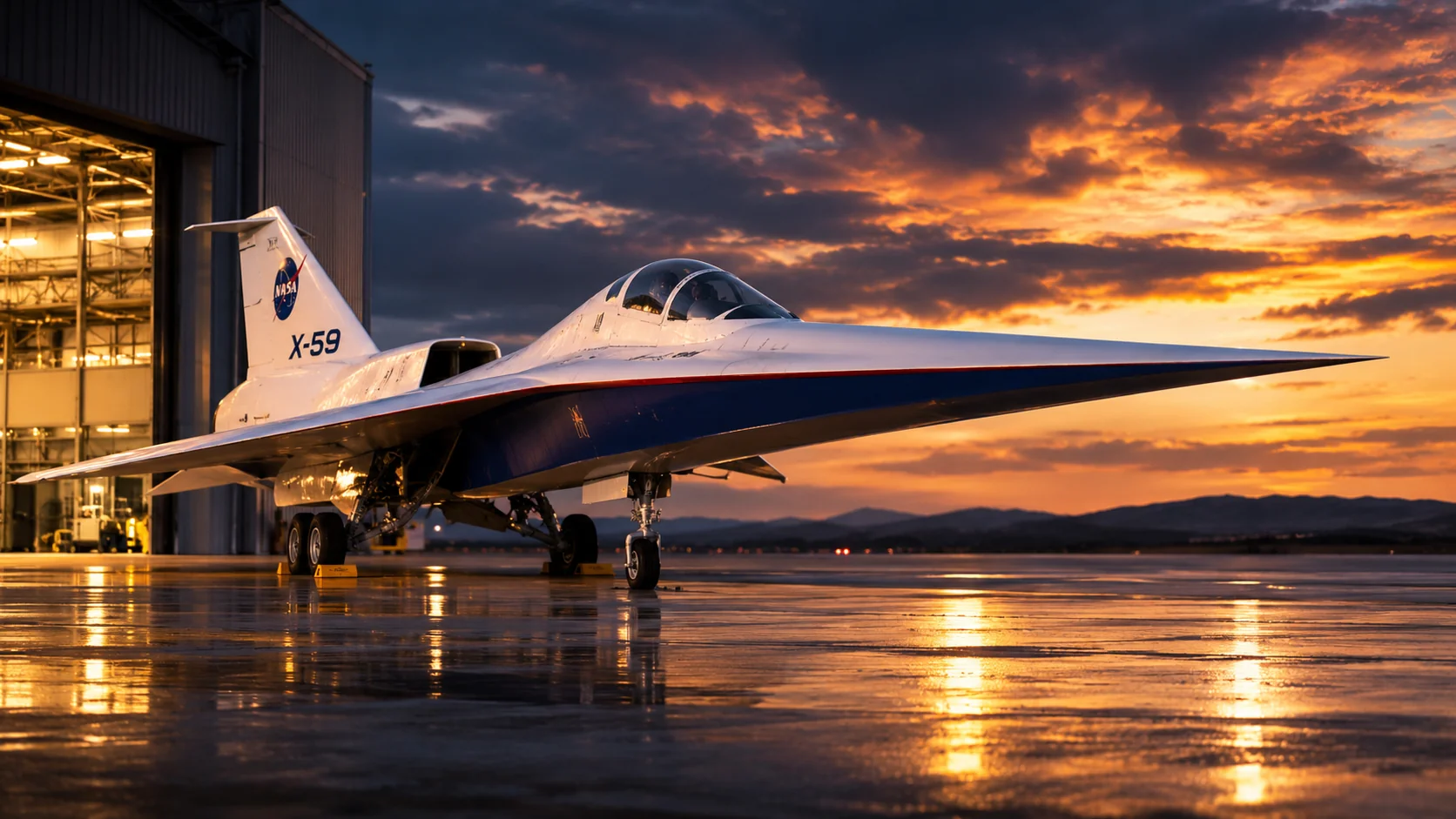
The next milestones should come from the research schedule and verified NASA communications: flight envelope expansion, testing data, community-response research and discussions with regulators. An analyst may also review Lockheed Martin’s disclosed contract portfolio and reported revenue to understand the relative financial significance of particular programs, while taking care not to assign unreported dollars to this project. Enthusiastic coverage can easily skip these distinctions and mistake an experimental aircraft for a market-ready commercial offering.
A responsible scenario framework has three layers. The confirmed layer contains the existing aircraft, its first flight, the official ownership transfer and the stated research mission. The potential layer contains evidence that testing could produce about noise and acceptable thresholds. The speculative layer contains future aircraft programs, airline business models and commercial demand. The first can be reported as fact; the second must be tested; the third requires assumptions and independent proof. Keeping these layers separate does not make the story less exciting. It makes the significance easier to understand.
The MNS lens: the value of learning before selling
The X-59 case illustrates a central rule of high-risk innovation: new technology can create value by reducing uncertainty before anyone has a complete product to sell. NASA and Lockheed Martin have produced and flown a purpose-built aircraft for a difficult research objective. NASA now holds ownership and will continue the work. These are meaningful milestones. But the largest business questions are still about what the evidence will show, what regulators might permit and what future operators could afford.
A practical decision framework for readers evaluating advanced-technology claims has five questions: What was actually demonstrated? Which limitations remain? Who paid for the development and who owns the resulting assets? What further approval or validation is needed? Where, if anywhere, is there evidence of paying customer demand? Apply the same questions to emerging AI tools, batteries, space products or other ambitious technologies. NOVA question: “Is this a working commercial market or a research milestone that might enable one?” A relevant Money Tool would be an Innovation Reality Checklist, but MNS should link it only if a real public tool exists.
Why a research milestone is not a commercial forecast
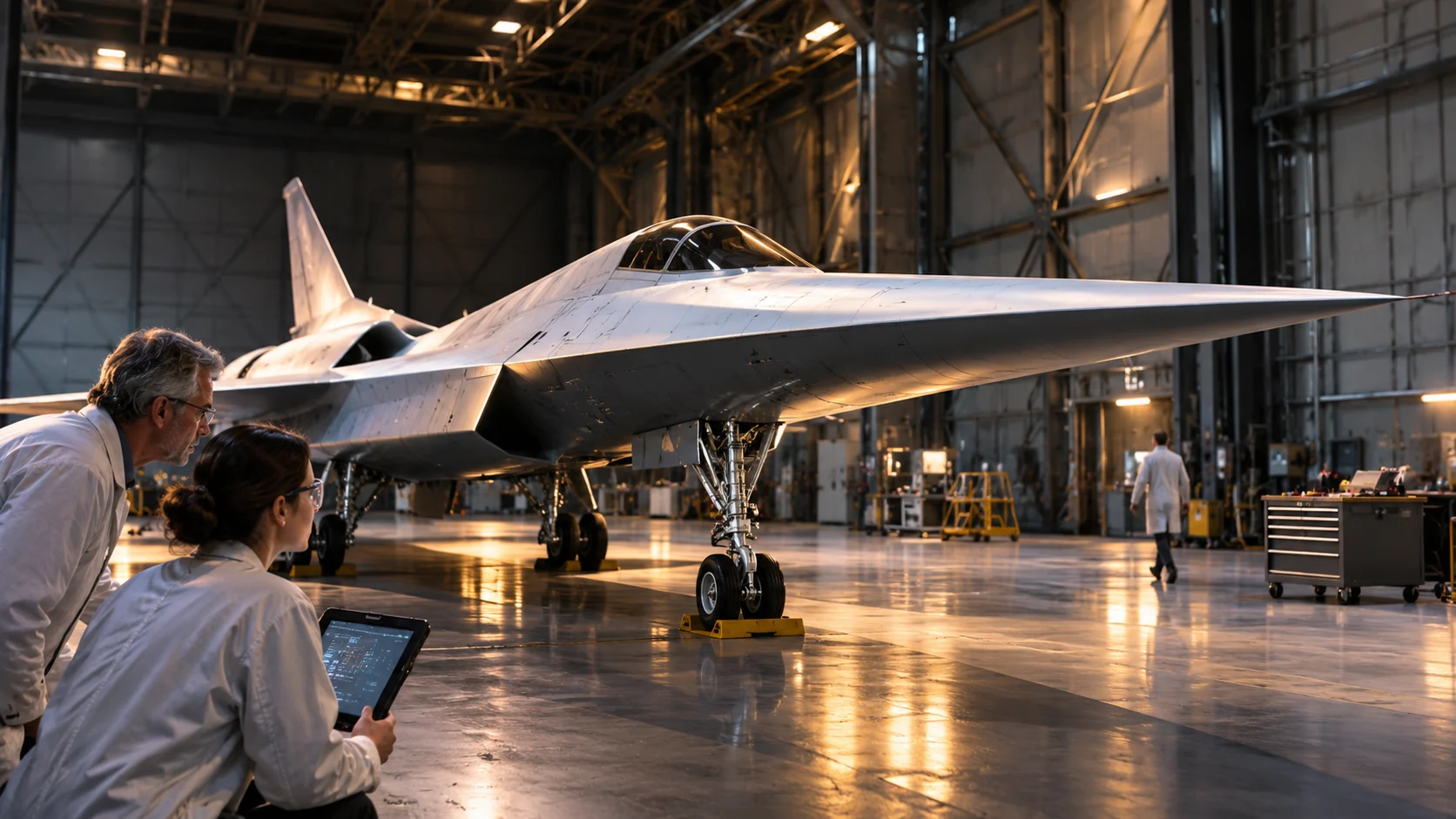
A major technology story often compresses several different kinds of progress into one dramatic sentence. There is a research question, a prototype, a test campaign, a regulator’s decision and, finally, a possible business model. They are not consecutive guarantees. The X-59 is a purpose-built research aircraft intended to help NASA understand whether the experience of sonic disturbances can change. That is a focused scientific mission. A commercial aircraft would have to solve many other problems at once, and some of those problems are financial rather than aerodynamic. An airline needs sufficient demand at prices that cover a complex operation while meeting safety, environmental and airport requirements.
It is useful to think of the value of the research as information that can reduce uncertainty for several groups. Engineers may learn about the trade-offs in a low-boom design. Regulators may receive evidence about public reaction instead of relying only on assumptions. Manufacturers may learn which additional barriers remain before considering further development. Investors may discover that a technically attractive idea has difficult economics or that a previously uncertain route has become more plausible. Neither outcome can be inferred from an ownership handover. Both require evidence generated after the milestone.
The funding question has a similar structure. Money spent on experimental flight research is not the same as an order book for commercial aircraft, and a historical contract value is not a reliable estimate of a manufacturer’s current profit. Before attributing any financial outcome to the X-59, an analyst should identify the precise contract scope, relevant fiscal year, research objective and party responsible for each deliverable. The safest conclusion today is narrower but more useful: NASA and its contractor passed a documented program milestone, and the scientific work that could influence future aviation economics remains underway.
Sources, context and update
The authoritative source is NASA’s Quesst announcement of November 23, 2026. Additional manufacturer context is available at Lockheed Martin’s X-59 project page and Lockheed Martin’s April 2026 test-program update. The manufacturer links provide perspective and should not be treated as independent verification of all future commercial claims.
Editorial context: The X-59 is a research aircraft. The sources cited do not establish an imminent commercial passenger launch, an X-59-derived airline contract, or guaranteed investment returns.
The headline is only the start.
Ask Nova what this story could change in your budget, savings, debt, investments or next purchase.