Jensen Huang returned to Nvidia, shares soared, then momentum faded. The questions about AI investments, governance and portfolio concentration remain. Editorial research draft, not public.
Research date November 24, 2026. Original MNS analysis; allegations and official company statements are attributed.
A market reversal is not a full reset
On November 23, 2026, Nvidia said it had reinstated co-founder Jensen Huang as president, chief executive and a director. The board described its decision as unanimous. The company’s announcement followed Huang’s November 12 departure and a period of uncertainty for one of the largest businesses at the center of artificial-intelligence investment. The market response was extraordinary: Reuters reported a surge of roughly 31% in Nvidia shares on Monday and broad rallies in technology stocks. By Tuesday, however, the initial enthusiasm was giving way to renewed questions. The immediate price reaction was real. So were the unresolved matters described in Nvidia’s own statement.
For a reader, the key is to separate a governance announcement from a conclusion about the company’s future cash flows. The return of a prominent leader may reduce one kind of uncertainty. It does not automatically answer questions about data-center spending, customer concentration, export regulations, the financing of AI infrastructure or the valuation investors are willing to pay for expected growth. Nor does a board vote complete a previously announced independent investigation. Markets make rapid judgments about the next several years. A press release describes a decision made on a particular day. Those are different kinds of evidence.
What Nvidia actually announced

In its November 23 newsroom release, Nvidia said the board had held discussions and meetings with Huang and was satisfied about his candor and ability to lead. The company also said its directors had received input from senior levels of the United States government and were confident his reinstatement posed no national-security risk. Those are Nvidia’s descriptions of its reasoning; an outside reader should not rewrite them as the conclusion of every possible independent or government investigation.
The same release explicitly stated that a committee composed solely of independent directors would continue investigating reports that Huang had been the target of a foreign intelligence effort. Nvidia said it had formed a national-security and export-control oversight committee and would seek a chief compliance officer. It also thanked Colette Kress for serving as interim CEO while continuing as chief financial officer. The existence of these steps matters because it shows the board itself recognized that executive leadership and risk oversight are not the same responsibility.
What changed in eleven days
Nvidia’s November 12 announcement marked a break in the leadership of a company whose products underpin a large share of the AI computing ecosystem. The company did not stop selling products or operating data centers on that date. But the leadership change introduced uncertainty into the way partners, employees and investors evaluated decisions that might affect future contracts, compliance and strategy. When the company reversed course on November 23, that uncertainty changed shape rather than disappearing.
There is a useful distinction between operational continuity and investor confidence. A chipmaker can keep delivering products while its owners disagree about governance risk. An executive can be reinstated while an investigation remains active. A share price can rise sharply on a single headline and then decline on renewed analysis. This is not contradictory behavior by itself. Different participants may be placing different weights on leadership, growth expectations, export restrictions and legal or reputational risks. The timeline therefore matters more than a simplified story in which all risk vanished or all confidence collapsed.
The money behind the AI trade
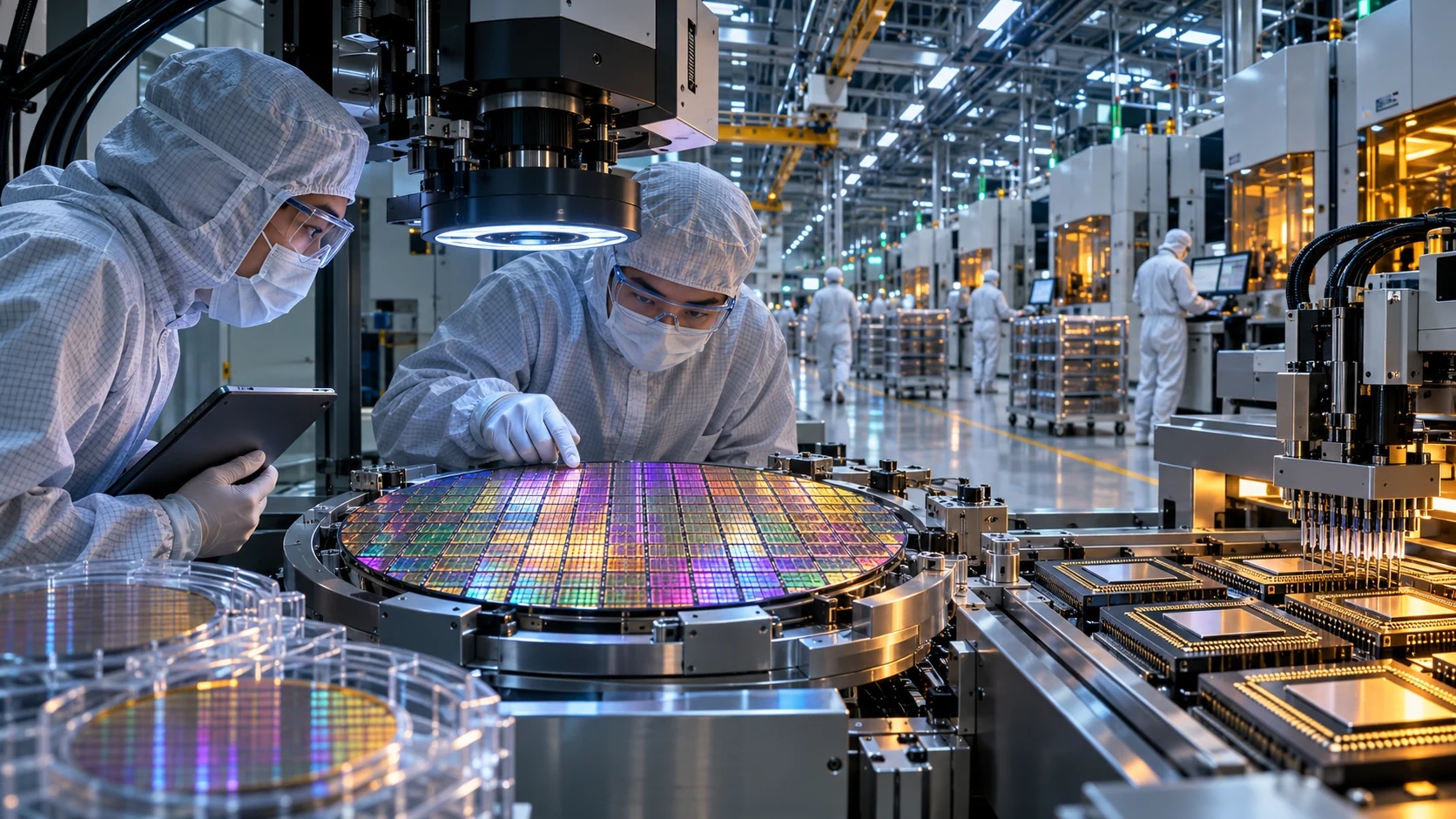
Nvidia is central to the global expansion of AI computing because its hardware and software form a major part of the infrastructure used by technology companies and AI developers. Demand for those products depends on customers committing enormous resources to data centers, networking, electricity, real estate and specialized engineering. For an investor, hardware demand and end-user profitability are not the same metric. A large customer can increase infrastructure spending well before it can demonstrate that every deployed AI application produces sufficient recurring revenue.
That gap is not proof that investments will fail. It is the financial question that makes the business cycle worth watching. How much of today’s demand is backed by durable customer contracts? Which expenditures depend on access to debt or equity financing? If capital costs rise, which buyers might defer additional facilities or hardware orders? How much supply-chain capacity is being built for future expectations rather than current usage? None of these questions can be answered by the chief executive’s identity alone, even if leadership continuity helps a company address them.
Why stock prices can be so sensitive
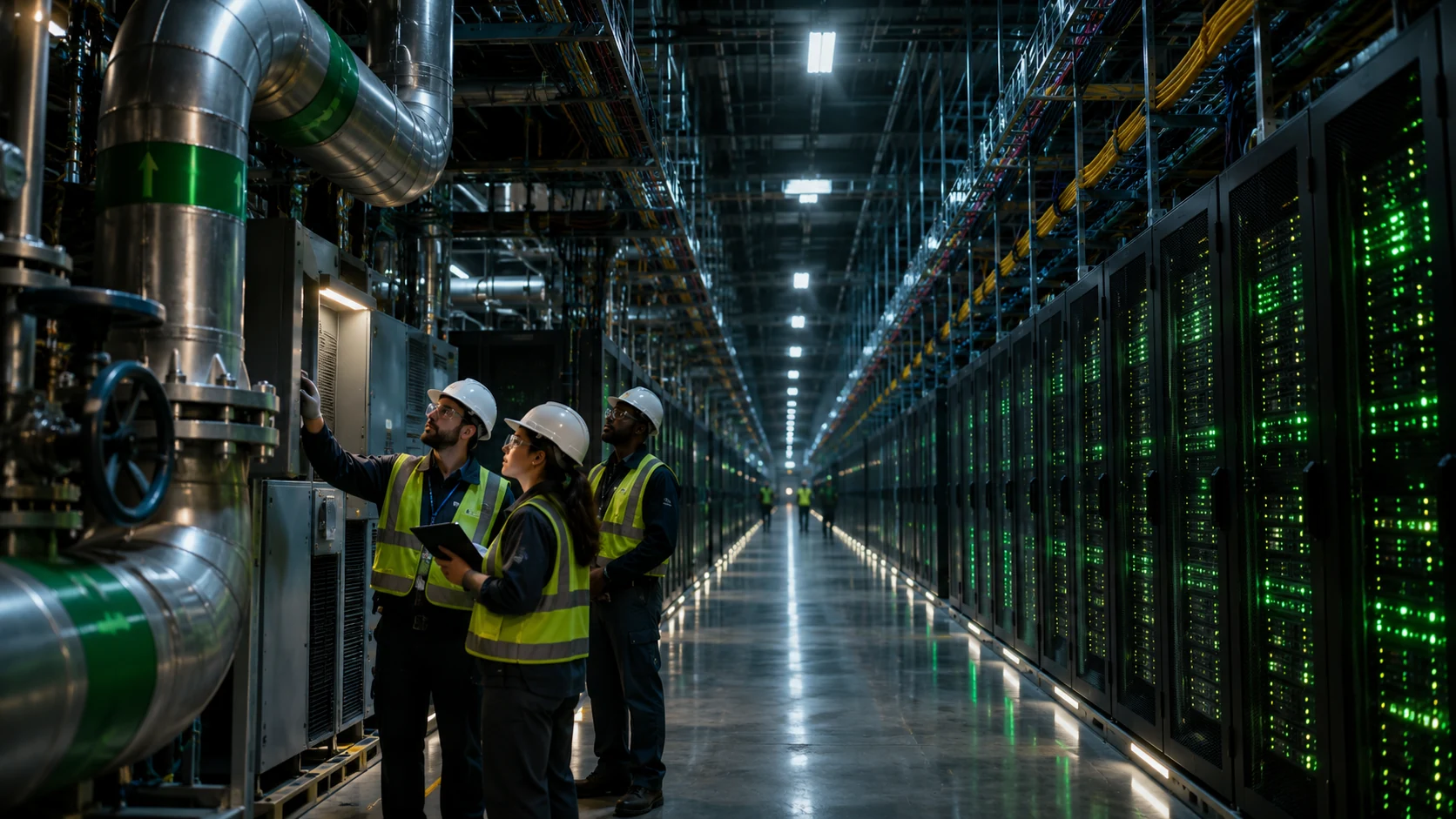
A share represents a claim on a company’s future economics, not a vote on whether a person is popular. Investors estimate future revenue, operating costs, cash flows and the price they are willing to pay for uncertainty. When a company has a very large market capitalization, a change in the assumptions embedded in its price can translate into extraordinary dollar movements. That does not mean an equivalent amount of cash entered or left the company’s bank account during the trading session.
Monday’s surge should therefore be interpreted as a market repricing, not as evidence that all future AI spending suddenly increased by the same amount. Reuters reported that Nvidia’s shares gave back some of the advance on Tuesday as investors reassessed governance and political risks. The sequence demonstrates how quickly expectations can shift. The useful household question is not how many dollars of market value appeared in a day, but whether an investor’s financial plan can tolerate the possibility that those expectations change again.
Governance has a financial cost
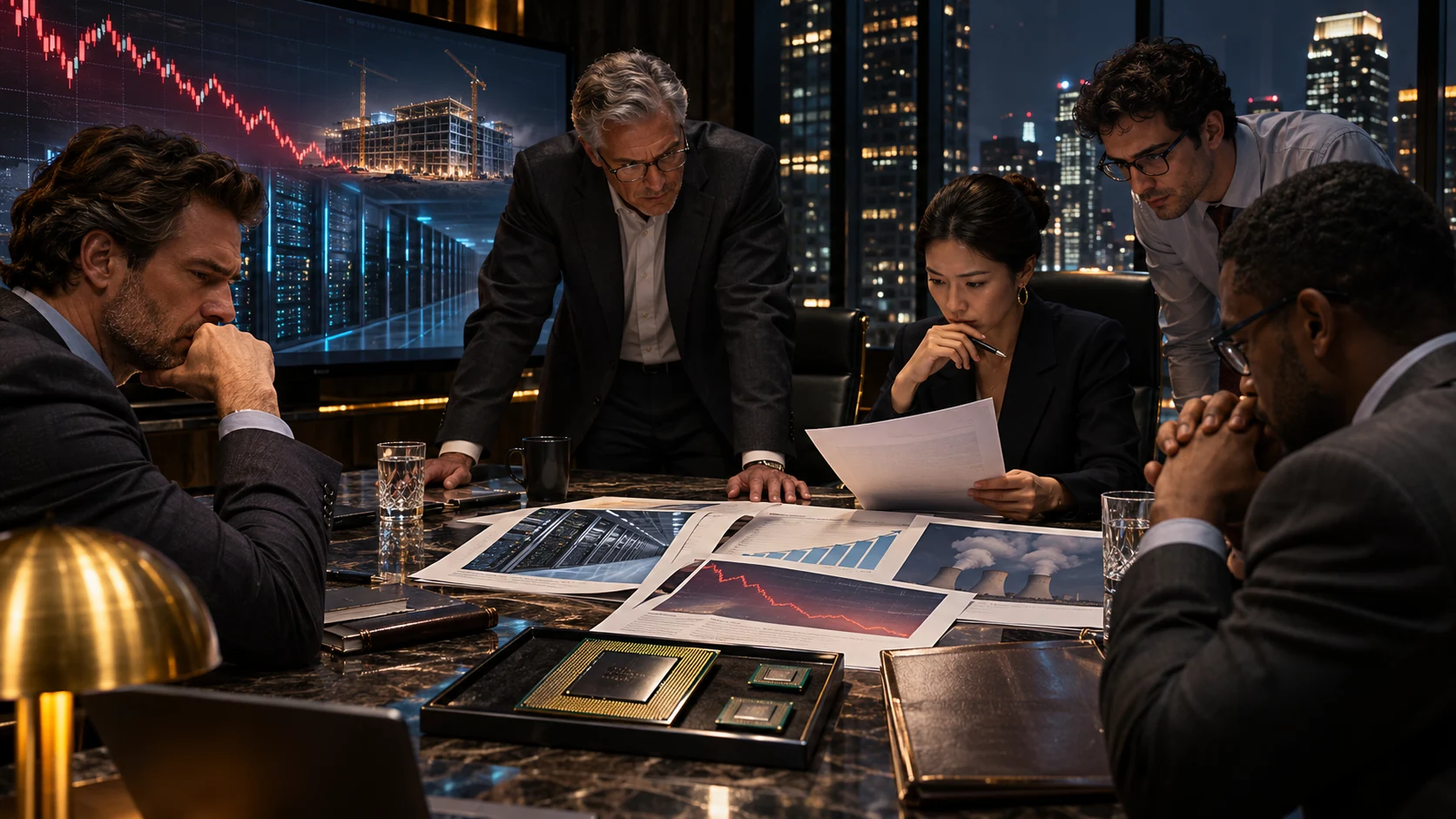
Corporate governance is sometimes discussed as a public-relations topic until a company faces an abrupt leadership event. Then the underlying financial stakes become obvious. A board must oversee executive conduct, succession, risk management and compliance while shareholders depend on management to run an operationally complex business. If outside parties have reason to question how those duties are divided, the market may demand additional information about procedures and accountability. That is not the same as establishing wrongdoing by any named person.
Nvidia’s statement provides concrete points to monitor: the ongoing independent investigation, the newly formed national-security and export-control committee, recruitment of a compliance chief and future disclosures about the board’s processes. The company says it is cooperating with government investigations and inquiries. The absence of a published final investigative result at the time of the announcement is an important limitation. It would be irresponsible to present one as completed or to predict its conclusions from share-price movements.
Trade rules and supply chains reach households

Advanced computing products sit within an international system of manufacturing, design, distribution and export regulation. Companies building AI services may be located in one country, buy components from another and serve customers around the world. Changes to export controls can affect which customers may obtain particular technologies and the cost of compliance. Semiconductor companies can face delays or restrictions that have implications far beyond one quarterly earnings report.
Consumers rarely buy the most advanced data-center accelerators directly. But they may encounter the downstream costs through cloud subscriptions, AI productivity products, business software and the pricing of digital services. A household might also have indirect exposure through investment funds, retirement accounts, employment at a technology company or the financial health of a supplier. Those links are potential transmission channels, not guarantees of a particular increase in household prices. MNS should trace them carefully rather than turning a complex industry into a claim that all technology bills will rise tomorrow.
The danger of hidden concentration
Many investors describe themselves as diversified because they own several funds. Yet those funds may share large holdings in the same group of technology companies. A broad market fund, a growth-oriented fund and an AI-themed fund could all have meaningful exposure to Nvidia and companies affected by the same AI spending cycle. The number of funds in an account therefore does not tell the full story. Portfolio overlap and the underlying drivers of returns are important.
This is not an argument for panic selling. It is an argument for understanding what someone already owns. Review the holdings and sector exposure reported by each fund, identify common companies and consider whether the volatility of a concentrated theme fits the household’s timeline and obligations. An emergency fund needed for near-term bills should not be confused with an investment allocation intended to experience fluctuations. Being able to explain the exposure in ordinary language is more useful than reacting to every market notification.
Jobs, suppliers and the regional dimension

The effects of AI investment reach workers and businesses beyond Silicon Valley. Semiconductor manufacturing depends on highly specialized production capacity, while data centers require construction, engineering, electrical equipment, logistics and operations. Companies that build applications on top of AI infrastructure may gain capabilities while taking on recurring compute expenses. The balance of winners, costs and risks will differ by country, company size and business model.
For Brazil, Canada, the United Kingdom and Europe, the relevant economic question is often how imported computing capabilities interact with local electricity prices, labor markets, currencies and regulation. It would be misleading to claim that a US executive decision directly sets the trajectory of each economy. The connection is indirect, operating through supply chains, finance and technology demand. A global Money no Sofá story should explain those channels and identify where evidence is missing instead of simply exporting a US market headline into local languages.
A hypothetical business decision

Imagine a small software company considering a significant annual commitment to AI infrastructure. Its executives expect usage to expand but do not yet know exactly how much customers will pay. A sudden rally in its main supplier’s shares might inspire confidence, but it does not improve the smaller company’s own revenue forecast. Its sensible decision would still depend on projected usage, contract terms, operating margin, alternative services and its ability to reduce expenditure if demand disappoints. This is a hypothetical illustration, not an account of any specific customer.
Now imagine a worker whose retirement account has substantial exposure to US technology stocks. That worker may feel better after a large rebound, but an emotional reaction should not replace an understanding of the plan’s time horizon, liquidity needs and volatility. The two examples connect the same macroeconomic news to different kinds of financial discipline. One involves business procurement and unit economics. The other involves personal concentration and resilience. Both are more useful than treating the stock chart as a prediction of tomorrow.
Three tests for the AI growth narrative

First is the demand test: customers must continue finding economic value in AI infrastructure and services. Second is the financing test: companies must be able to fund construction and equipment at costs that make business sense. Third is the governance test: boards and executives must demonstrate credible oversight of commercial, security and regulatory exposure. A company may perform well on one test and face difficulties on another. A single market session does not settle any of them.
These tests also prevent the story from becoming a personal drama dressed up as financial analysis. Executive leadership can be consequential, but shareholders and customers need to understand the broader operating system. Quarterly results, customer concentration disclosures, spending guidance, financing conditions and updates from relevant regulators will be better long-term evidence than repeated speculation about private conduct. That does not diminish the importance of legitimate governance inquiries; it gives readers a way to assess the consequences responsibly.
The MNS lens: what matters after the rebound
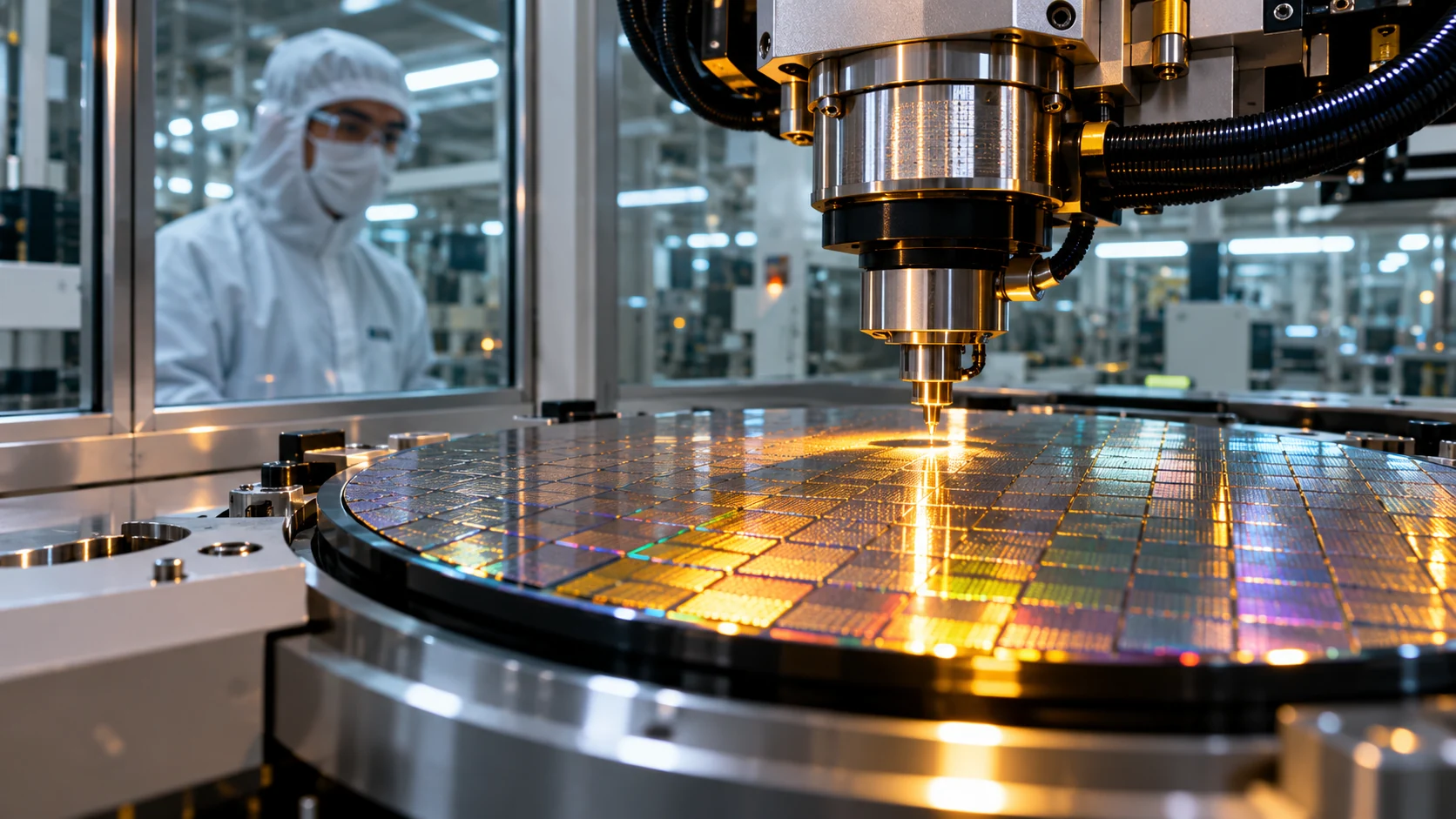
The most revealing aspect of the November rebound may be how closely the market’s confidence in a major technology theme became tied to the return of one executive. That is an analytical observation, not proof that Nvidia’s board made the right or wrong decision. For people with exposure to the AI trade, the episode is a reminder that growth assumptions, leadership continuity and institutional oversight are all part of the risk profile. Strong products can coexist with difficult governance questions.
A practical checklist begins with three actions. Identify where your investments or income depend on the AI spending cycle. Separate announced company decisions from unresolved investigations. Then compare your own money timeline with the possible volatility of assets linked to this theme. NOVA question: “How much of my financial security depends on the same AI growth assumptions?” A proposed Money Tool is a Portfolio Overlap Worksheet, but MNS should not attach a button until an actual, functioning tool URL is verified.
Why the company’s valuation and its products are different questions
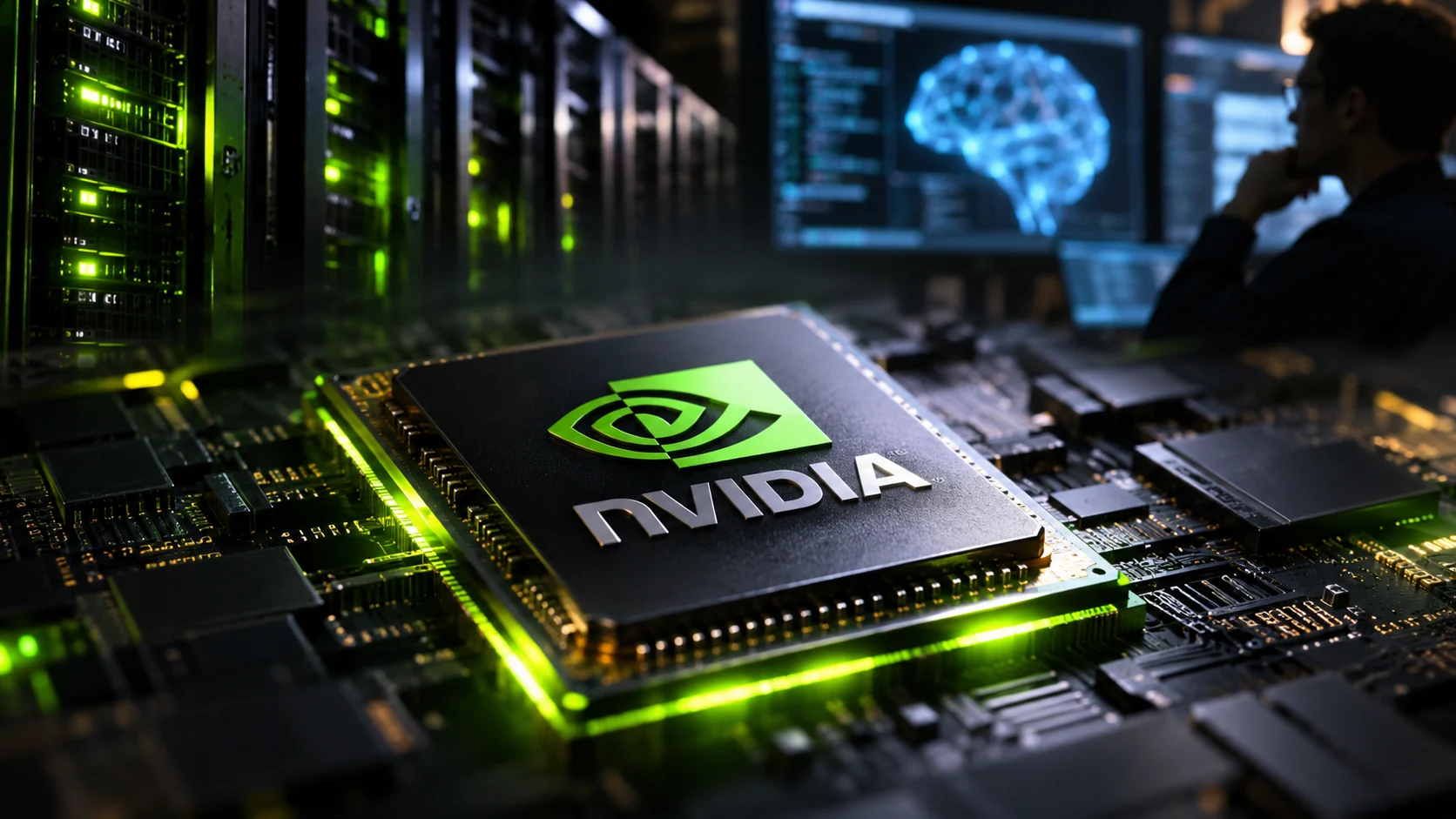
A technology supplier can deliver extraordinary engineering advances while its stock experiences sharp reversals. The share price reflects the expectations and risk preferences of owners who continuously reassess potential future profits. Actual customers are deciding whether specific products improve their operations at an acceptable cost. Those judgments overlap, but they are not identical. An AI data center can require expensive hardware, sophisticated cooling and new power infrastructure even if an eventual application remains uncertain. Conversely, a profitable customer use case does not guarantee that every supplier’s shares are fairly priced at the same moment.
This distinction is useful when reading about leadership. A returning chief executive can provide direction, reassure certain partners and help preserve continuity. But that alone does not reveal the future cost of energy, the speed of competitor innovation, how quickly customers adopt AI products or the return on the next generation of capital spending. The company still faces normal questions about execution and abnormal questions associated with its recent leadership events. A responsible investor or business buyer should seek evidence for both categories rather than assuming one eliminates the other.
The MNS principle is to keep a practical separation between business quality, business risk and investment price. The first asks whether the product is useful. The second asks what can interfere with delivery or cash generation. The third asks how much an owner pays for the expected stream of future benefits. All three deserve attention after a dramatic rally, particularly when unresolved investigations and fast-moving regulation remain part of the company’s public disclosures.
What to watch and primary sources
The next useful developments are statements about the independent investigation, formal governance changes, export-compliance structures and financial reporting on AI demand. Readers should also distinguish a market opening price, intraday movement and final closing price when headlines circulate across time zones. A percentage reported during one trading session should not be represented as today’s live quote after the market moves.
Primary company statement: Nvidia, November 23, 2026. Previous company leadership statement: Nvidia, November 12, 2026. Independent reporting: Reuters, November 24, 2026. Internal context: MNS, November 13, 2026.
The headline is only the start.
Ask Nova what this story could change in your budget, savings, debt, investments or next purchase.