Use simple digital tools, automation, AI, price tracking and better routines to save more money without turning personal finance into another full-time job.
17–22 min read · Practical guide · Featured eBook: Wealth Without the Hustle
Why Technology Can Help—or Hurt—Your Money
Technology has removed friction from spending. Stored cards, one-click checkout, personalized recommendations and instant delivery make buying easier than at any other time in history. The same technology can also improve saving through automation, comparison, reminders and visibility.
The difference is not whether you use technology. The difference is what the technology is optimized to do. Retail systems are designed to increase conversion. Your personal money system should be designed to increase intentionality.
Smart tools are useful when they reduce noise, create better defaults and help you act. They are harmful when they become another collection of apps you pay for and ignore.
Start With One Money Dashboard
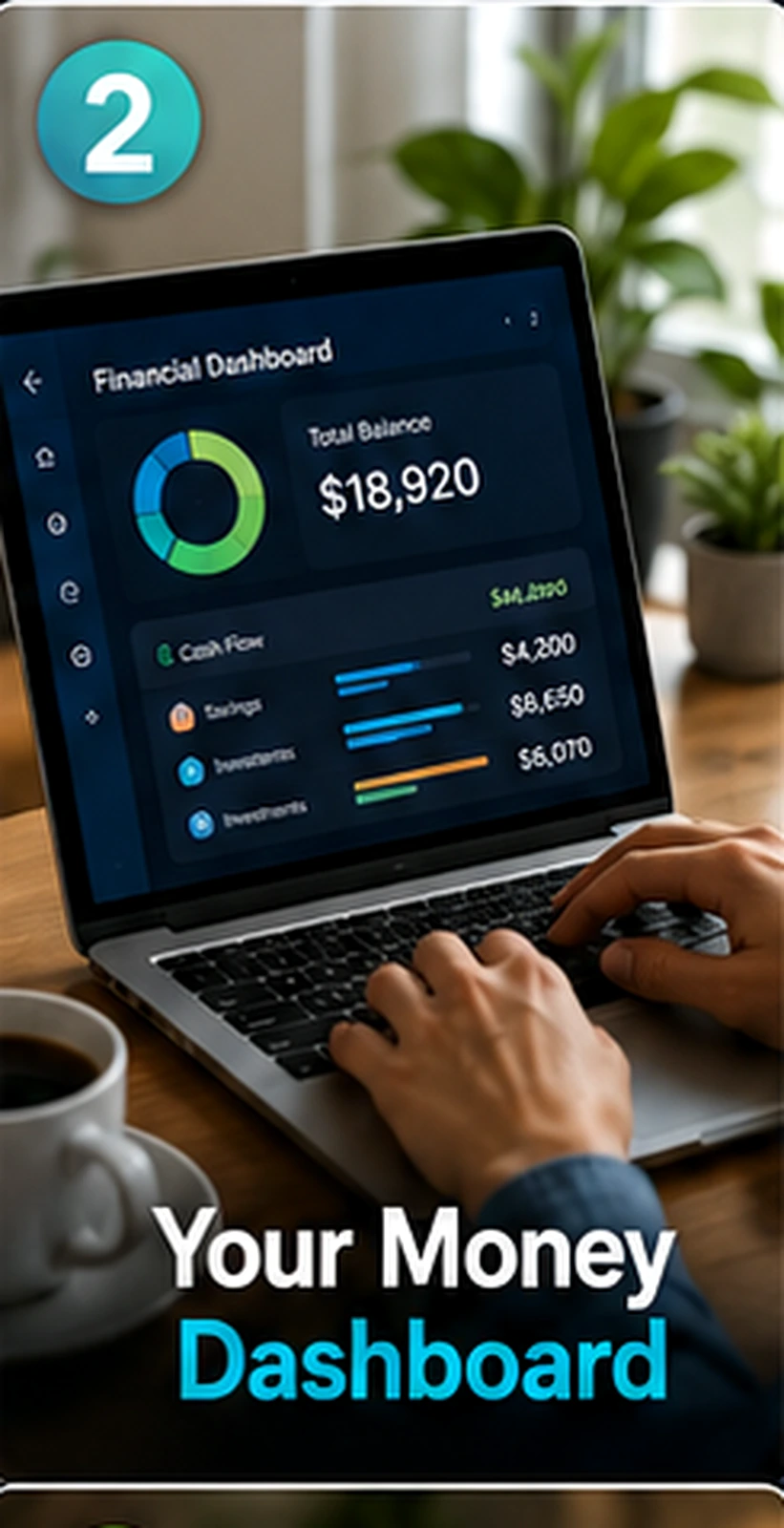
You do not need seven finance apps. You need one reliable place to see the information that changes decisions: cash available, upcoming bills, recent category spending, savings progress and high-interest debt.
A banking dashboard may be enough. A spreadsheet may be enough. A dedicated budgeting app can be useful if it genuinely reduces effort. The best tool is the one you will open and understand consistently.
Avoid dashboards that create the illusion of control while adding daily maintenance. Personal finance should become easier to operate, not more technical for its own sake.
Automate the Good Habits
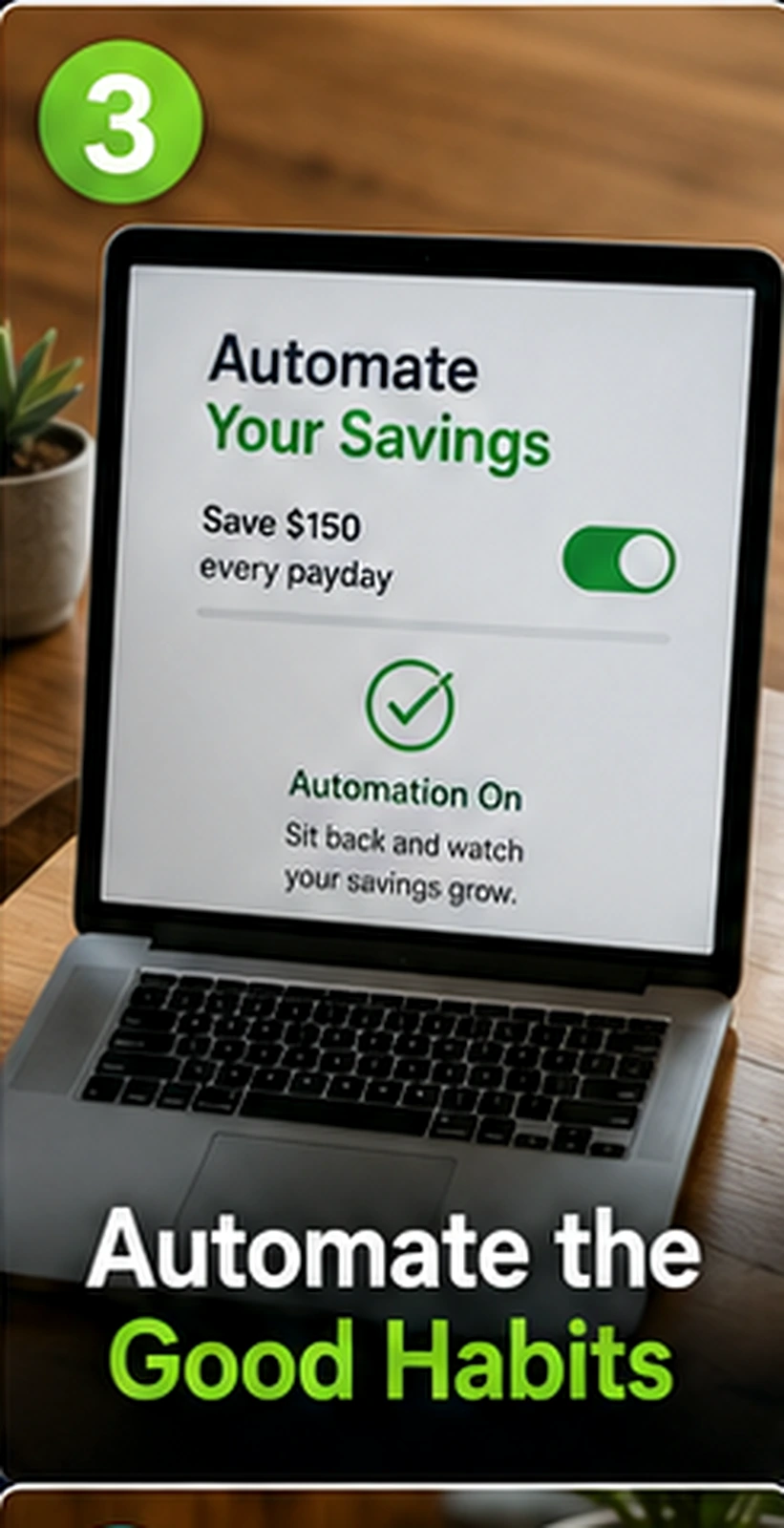
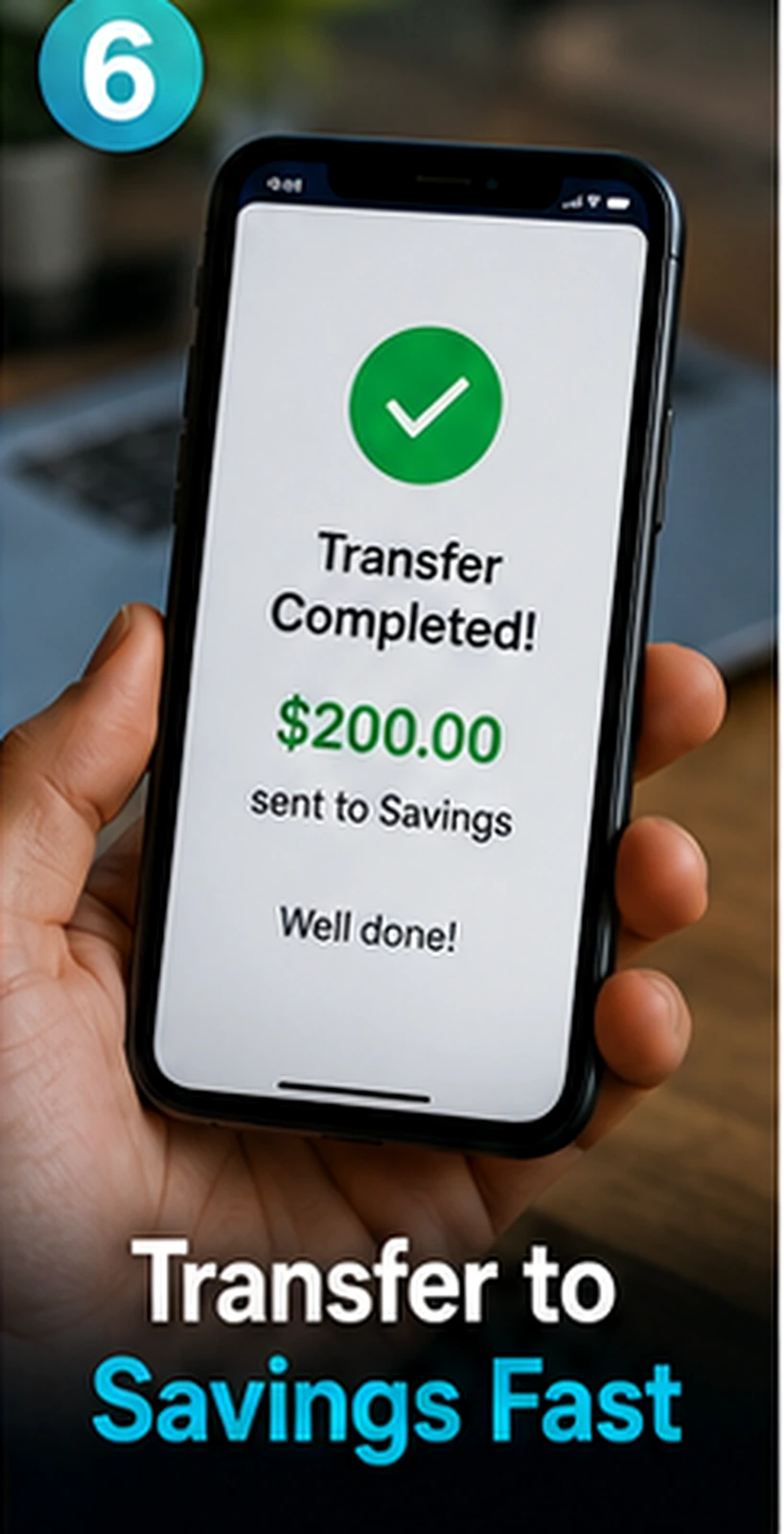
Automation is one of the most powerful financial tools because it changes behavior without requiring repeated motivation. Move money to savings after payday. Route bill money into a dedicated account. Schedule debt overpayments where appropriate. Create recurring reminders for reviews.
The amount matters less than the reliability at first. A $100 transfer that happens every month creates more progress than a $500 target you frequently cancel. Automation protects the decision from the emotions of the week.
When income rises or a debt payment disappears, adjust the automation before lifestyle spending absorbs the difference. This is how a system compounds.
Use Price Tracking Without Becoming a Deal Addict
Price comparison tools and alerts are useful when you already plan to buy something. They become dangerous when alerts create new desire. A discount on something you did not need is still spending.
Use a two-step rule: decide what you need first, then compare prices. Do not reverse the process by browsing deals and inventing needs afterward. This simple distinction protects you from one of the most common digital shopping traps.
For larger purchases, track total cost: shipping, warranty, subscriptions, maintenance and replacement parts. The cheapest sticker price can create the most expensive ownership.
Use AI as a Decision Assistant, Not a Shopping Engine
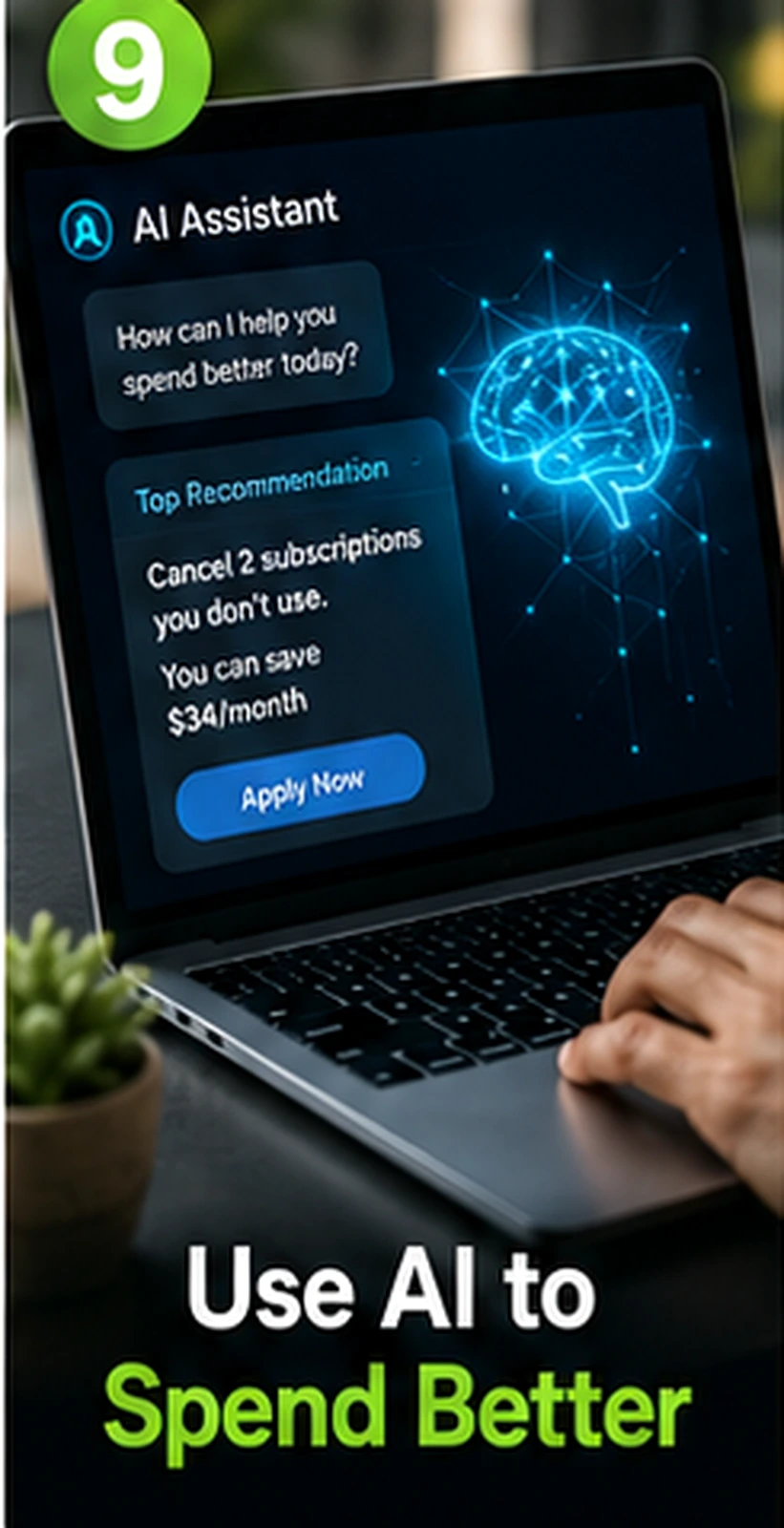
AI can help create meal plans from ingredients already at home, compare service-plan features, organize a debt payoff schedule, draft a negotiation script for a provider or turn a messy list of expenses into categories. These are high-value uses because they reduce cognitive effort.
Be careful with sensitive information. Do not upload full account credentials, card numbers or private documents to tools you do not trust. Use generalized figures where possible and follow the security guidance of the platforms you choose.
The smartest AI use is often boring: better planning, better questions and fewer rushed decisions. The value comes from improving judgment, not creating more reasons to buy.

Make Subscription Reviews Automatic
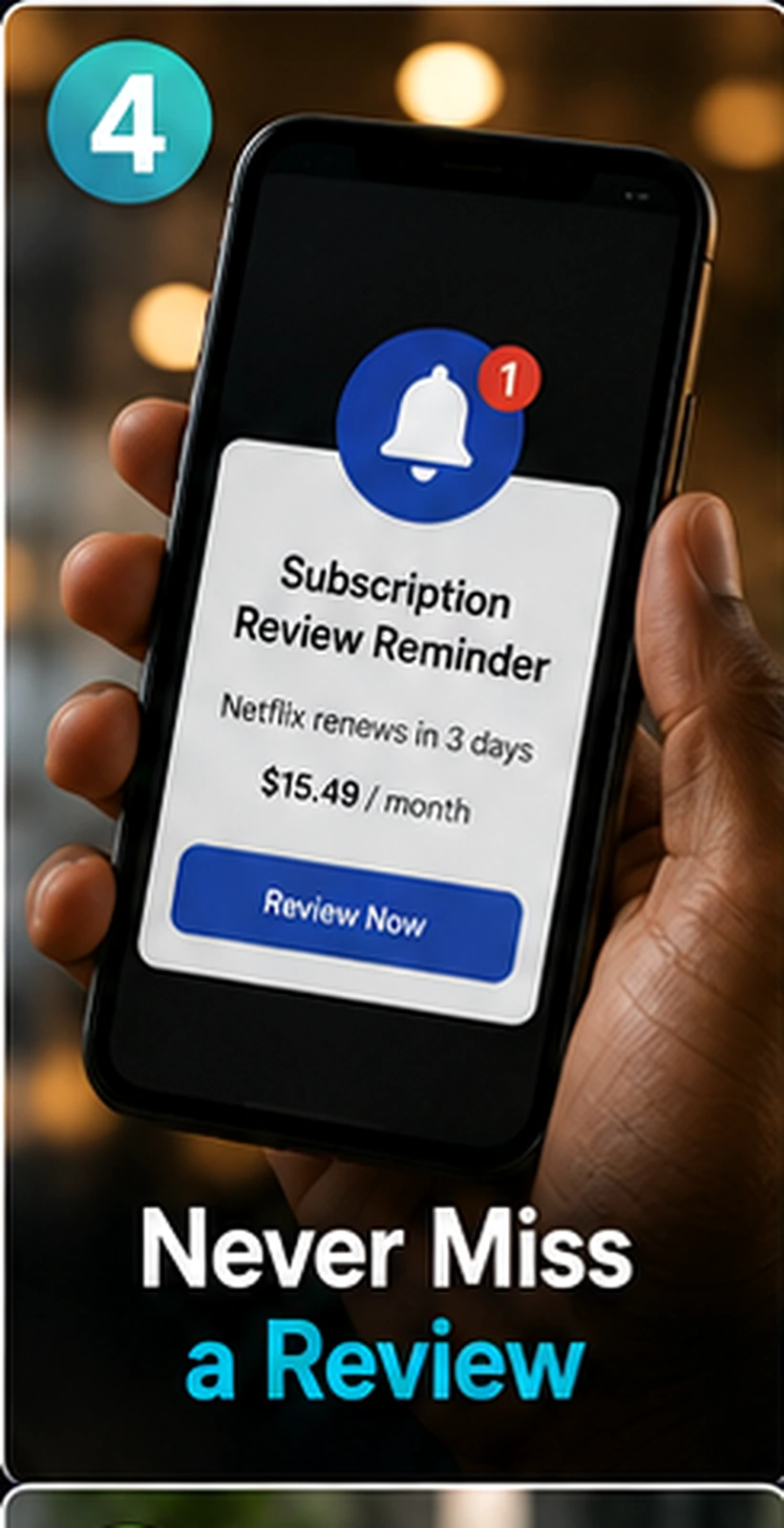
Set calendar reminders before annual renewals. Turn off auto-renew for experiments. Use banking notifications to surface recurring charges. Maintain one list of active subscriptions and their purpose.
This is a small example of how technology should work for you. The tool does not make the decision. It creates the moment in which you can make the decision consciously.
The goal is to prevent passive spending from becoming permanent.
Build a Digital Grocery System
A shared grocery list, meal-planning note or simple family calendar can save more money than many finance apps. Food is a repeated high-value category, and weak planning creates expensive emergency decisions.
Use one list everyone can update. Keep staple items recurring. Save five or ten low-effort meals. Before shopping, check the kitchen and build the plan around what already exists.
Technology is most useful when it makes a good routine easier. A beautiful app with no routine is decoration.

Reduce Decision Fatigue
People overspend when decision quality drops. After a long day, convenience becomes more attractive. After endless comparison, the easiest option wins. Good systems reduce the number of money choices made under pressure.
Standardize repeat decisions. Keep a regular shopping day. Use a default savings percentage. Set a waiting rule. Define a subscription ceiling. Create a shortlist of trusted providers. These defaults preserve energy for the decisions that actually deserve thought.
Saving money is partly an attention strategy. Every financial choice consumes some mental bandwidth. Protect that bandwidth.

The Minimum Effective Money Tech Stack
For most people, a strong setup can be simple: one primary banking dashboard, one savings account, one expense visibility method, one shared household list, one calendar reminder system and optionally one comparison or price-tracking tool.
Add complexity only when it solves a specific problem. If an app does not help you save time, save money, reduce risk or make a decision better, question why it exists in the stack.
A smaller stack is also easier to secure. Fewer services means fewer passwords, fewer stored cards and fewer places where personal data lives.
A Practical Example: Technology Saving $300 a Month
Imagine someone who automates $150 on payday, receives renewal reminders that lead to $45 in subscription cuts, uses meal planning to reduce delivery by $70 and compares telecom plans to save another $35. The combined improvement is $300 a month.
The technology did not create the money. It made good decisions easier to repeat. The person still had to choose the lower plan, cancel the services and follow the meal plan. Tools multiply behavior; they do not replace it.
This is the right expectation for financial technology. Use it as infrastructure, not magic.

Smart Habits That Compound
Track only what changes behavior. Review subscriptions quarterly. Compare before major purchases. Automate savings. Plan before shopping. Delay non-essential purchases. Review major service bills twice a year. Redirect permanent savings instead of letting them disappear.
These habits look small because they are small. Their power comes from repetition. A single $25 optimization is not dramatic. Twenty-five dollars saved every month for years is real money.
The best systems make progress boring. That is a feature, not a problem.
Protect Your Data While Building a Money Tech Stack
Financial convenience should not come at the cost of careless data handling. Use reputable tools, unique passwords and multi-factor authentication. Review what permissions an app requests and whether it needs access to every account or category of information.
Be selective about services that ask for banking credentials or broad financial access. Understand how data is stored, what can be revoked and how the account can be deleted. Convenience is valuable, but unnecessary exposure is another form of risk.
A smaller tech stack is easier to secure. This is one more reason to avoid collecting apps simply because they look useful. Every tool should earn its place financially and operationally.
Design Notifications That Help Instead of Manipulate
Notifications can improve money behavior when they alert you to a bill, a renewal, a low balance or an unusual transaction. They can also increase spending when they announce flash sales, personalized deals and limited-time offers.
Audit notifications with the same logic you use for subscriptions. Keep alerts that protect money or security. Disable alerts designed primarily to create urgency and shopping behavior. This reduces decision noise and protects attention.
Your phone should remind you of your priorities more often than it reminds you of someone else’s promotion.
Useful AI Prompts for Everyday Saving
AI becomes more practical when the request is specific. Examples: ‘Create five inexpensive dinners using these ingredients.’ ‘Compare the features of these two internet plans and list what I lose by choosing the cheaper one.’ ‘Turn these anonymized expenses into categories and identify recurring charges.’ ‘Create a script to negotiate a lower service bill.’
For shopping decisions, ask the tool to build a total-cost checklist rather than to recommend the most exciting product. For household planning, ask it to optimize around constraints such as time, nutrition, budget and items already owned.
Always verify important numbers and terms. AI can organize thinking and surface questions; it should not be treated as an infallible financial authority.
Run a Quarterly Money-Tech Audit
Every three months, review the tools and automations themselves. Are transfers still appropriate? Are alerts useful? Did an app subscription increase? Are there duplicate services? Are old accounts still connected? Does your dashboard still reflect the decisions you care about?
Systems drift just like spending. A quarterly audit prevents technology from becoming another layer of clutter. It also lets you simplify as your financial life changes.
The best money technology eventually becomes almost invisible. It moves the right amounts, surfaces the right signals and stays out of the way the rest of the time.
Use Technology to Make Big Bills Negotiable
Digital tools are especially useful before a contract renews. Keep a note with your current internet speed, mobile data use, insurance coverage and other service details. When renewal approaches, compare equivalent plans rather than promotional headlines.
You can use a spreadsheet or AI assistant to create a side-by-side table of price, contract length, fees, limits and cancellation terms. That makes provider conversations more precise because you know what you are comparing and what you are willing to change.
The biggest savings often come from these recurring categories, so technology should spend more effort helping you evaluate them than helping you shave pennies from one-off purchases.
Create a Digital Waiting Room for Purchases
Instead of keeping products in a shopping cart, maintain a neutral wish list or note with the item, price, date added and reason you want it. Review the list after 24 hours, 72 hours or a week depending on the cost.
This separates desire from checkout. It also lets you compare prices later without being pushed by countdown timers or personalized urgency. Many items will lose importance on their own, while the ones that remain can be purchased with greater confidence.
A waiting room is a simple technology habit with disproportionate value because it changes the timing of the decision. Better timing often produces better spending.
Measure the Return on Your Money Tools
Once a quarter, ask what each paid money or productivity tool actually returned. Did it save time, lower a bill, prevent a fee, improve planning or help you make better decisions? If the answer is unclear, the tool may be part of the problem it claims to solve.
This return-on-value review prevents the smart-money stack from becoming its own subscription trap. Technology should reduce friction and complexity. When it adds more dashboards, more alerts and more bills without improving action, simplify.
FAQ
Do I need a paid budgeting app?
No. Paid tools are worthwhile only when they save enough time or money to justify the cost.
Can AI safely manage my finances?
Treat AI as an assistant, not an autonomous financial authority. Protect sensitive information and verify important recommendations.
What is the best automation to start with?
A realistic payday savings transfer is one of the simplest and most useful.
Are price trackers always reliable?
They can help, but compare across retailers and check total cost. Historical data and availability can vary.
How many finance tools should I use?
As few as necessary. Complexity should earn its place.
Related Save Money Guides
- How to Save Money Without Feeling Deprived
- The 30-Day Save Money Reset That Actually Works
- The Subscription Trap: How Small Monthly Charges Drain Your Money
- How Families Can Save Money Without Making Life Feel Smaller
Next Step
Wealth Without the Hustle connects these operating habits to a larger objective: money should create resilience, freedom and better choices rather than become another full-time optimization project.
Use technology to reduce the work of good money behavior. Then use the time and attention you get back for the life the money is supposed to support.
The headline is only the start.
Ask Nova what this story could change in your budget, savings, debt, investments or next purchase.