Reset your finances in 30 days with a practical plan to find money leaks, lower recurring costs, automate savings, and build habits that last.
17–22 min read · Practical guide · Featured eBook: The Calm Money Reset
Why a Reset Works Better Than a Financial Makeover
A financial makeover sounds exciting because it promises a dramatic break from the past. In real life, dramatic plans are difficult to maintain. A reset is different. It assumes your money system has drifted, not that your life needs to be rebuilt from zero.
Thirty days is long enough to see patterns and short enough to create urgency. The goal is not to become financially perfect in one month. The goal is to clean the dashboard, reduce obvious waste, improve a few recurring decisions and automate the parts you do not want to renegotiate every week.
Think of the month as four operating sprints: visibility, elimination, optimization and automation. Each week has one job. That makes the project manageable and gives you a clear definition of progress.
Week 1: See the Truth
The first seven days are about visibility. Download or review the last 60 to 90 days of bank and card activity. Group spending into housing, groceries, transport, debt, digital subscriptions, delivery, shopping, health, family, entertainment and utilities.
Do not judge the categories yet. Measure them. Look for recurring charges, repeated convenience spending and categories that grow during stressful weeks. Note the expenses you barely remember making. Those are often the most useful clues.
At the end of the week, identify your top three money leaks and your top three expenses that genuinely improve your life. A reset needs both lists. One tells you what to change. The other tells you what to protect.

Week 1 Practical Exercise: Build a One-Page Money Dashboard
You do not need sophisticated software. A one-page sheet can show monthly income, fixed obligations, flexible spending, high-interest debt, emergency savings and the total value of recurring subscriptions. The purpose is to reduce financial fog.
A useful dashboard answers five questions quickly: what comes in, what must go out, what is flexible, what is expensive debt, and how much cash buffer exists today. If you cannot answer those questions without opening six apps, your system is more complex than it needs to be.
This exercise often lowers anxiety because uncertainty is more stressful than imperfect numbers. Once the situation is visible, you can make decisions instead of imagining worst-case scenarios.

Week 2: Cut the Easy Leaks
The second week is not about sacrifice. It is about removing low-value recurring costs and habits. Cancel unused subscriptions. Downgrade services that are larger than your real usage. Remove free trials that are about to renew. Delete duplicate tools and memberships.
Then look at convenience leakage: repeated delivery fees, small marketplace orders, premium shipping, random add-ons and unnecessary ATM or banking fees. These expenses are easy to ignore because they rarely feel large in isolation.
Choose quick wins first. Early savings create momentum and show that the reset is producing something tangible. A plan becomes psychologically easier to continue once the bank balance starts reflecting the work.

Week 2 Practical Exercise: The Cancel, Keep or Downgrade List
List every recurring service and mark it Cancel, Keep or Downgrade. Avoid a fourth category called ‘maybe later.’ That is where weak subscriptions survive indefinitely.
Keep services that clearly save time, improve health, support work or deliver real enjoyment. Downgrade services where the premium tier exceeds your usage. Cancel services you would not actively buy again today.
Then schedule a quarterly reminder. A subscription audit should be a routine, not a crisis response. The goal is to prevent drift before it becomes expensive.
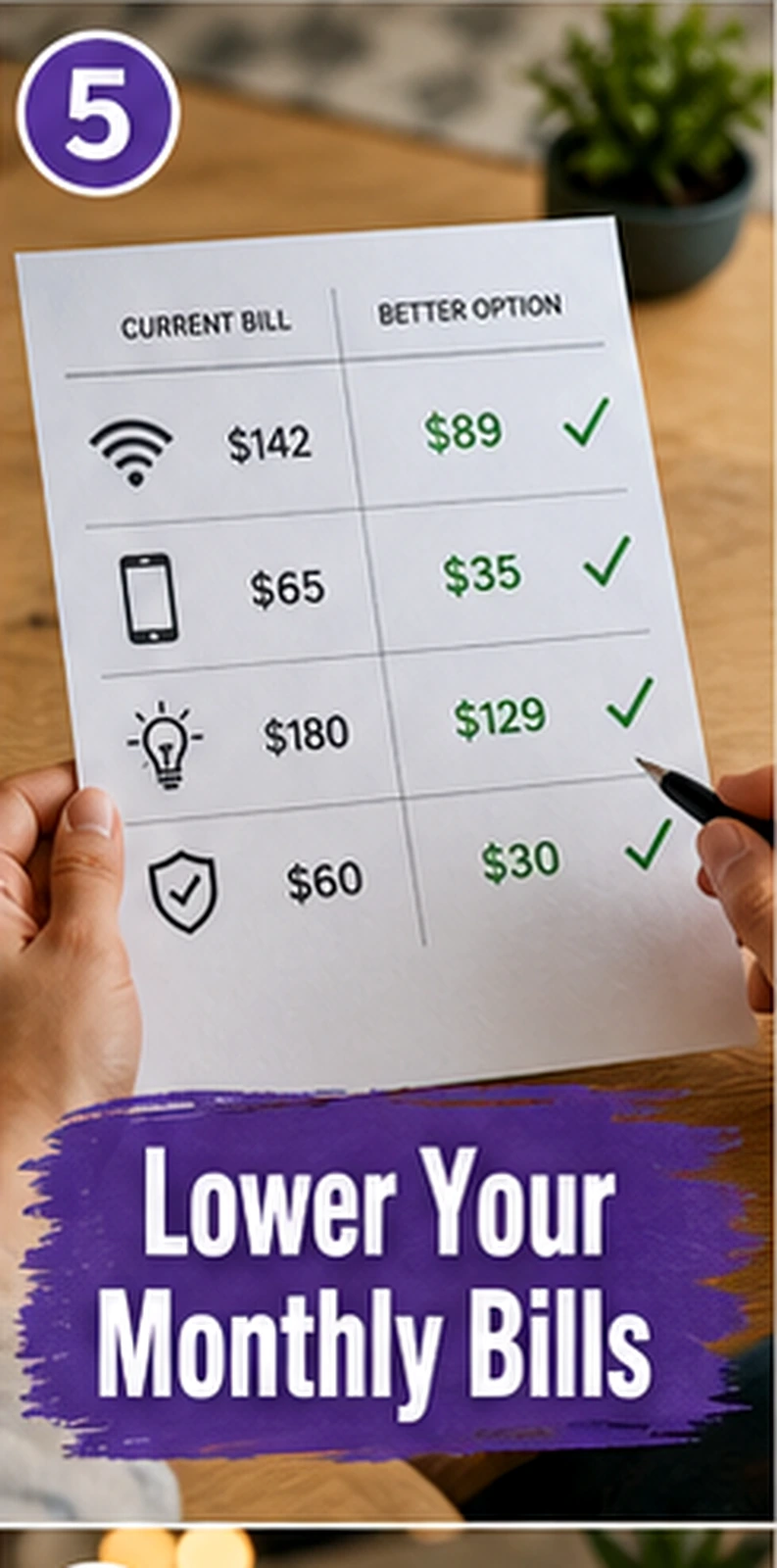
Week 3: Lower the Bigger Monthly Bills
By week three, you have earned the right to focus on larger recurring expenses. Review mobile, internet, insurance, energy, transport, banking and debt interest. These categories often contain more saving potential than dozens of tiny cuts combined.
Call providers. Compare current offers. Ask whether your usage justifies your tier. Review insurance deductibles and coverage with care rather than blindly selecting the cheapest option. If debt carries high interest, look at the actual cost of the repayment schedule rather than only the monthly installment.
A single $50 monthly reduction in a major bill creates $600 in annual savings. High-leverage decisions are powerful because they repeat automatically after the initial effort.

Week 3 Practical Exercise: Reset Grocery Spending
Groceries are a high-impact category because they combine necessity, routine and waste. For one week, plan five dinners before shopping. Check what you already have. Build the list around those meals and your staple items. Avoid extra supermarket trips unless something is genuinely missing.
Add two rescue meals: inexpensive, easy options for nights when the plan falls apart. This reduces the chance that exhaustion becomes a delivery order. The goal is not gourmet optimization. It is to make the cheaper decision easier on a difficult evening.
At the end of the week, compare total grocery plus delivery spending with a typical week. You may discover that better planning saves more than searching for individual coupons.
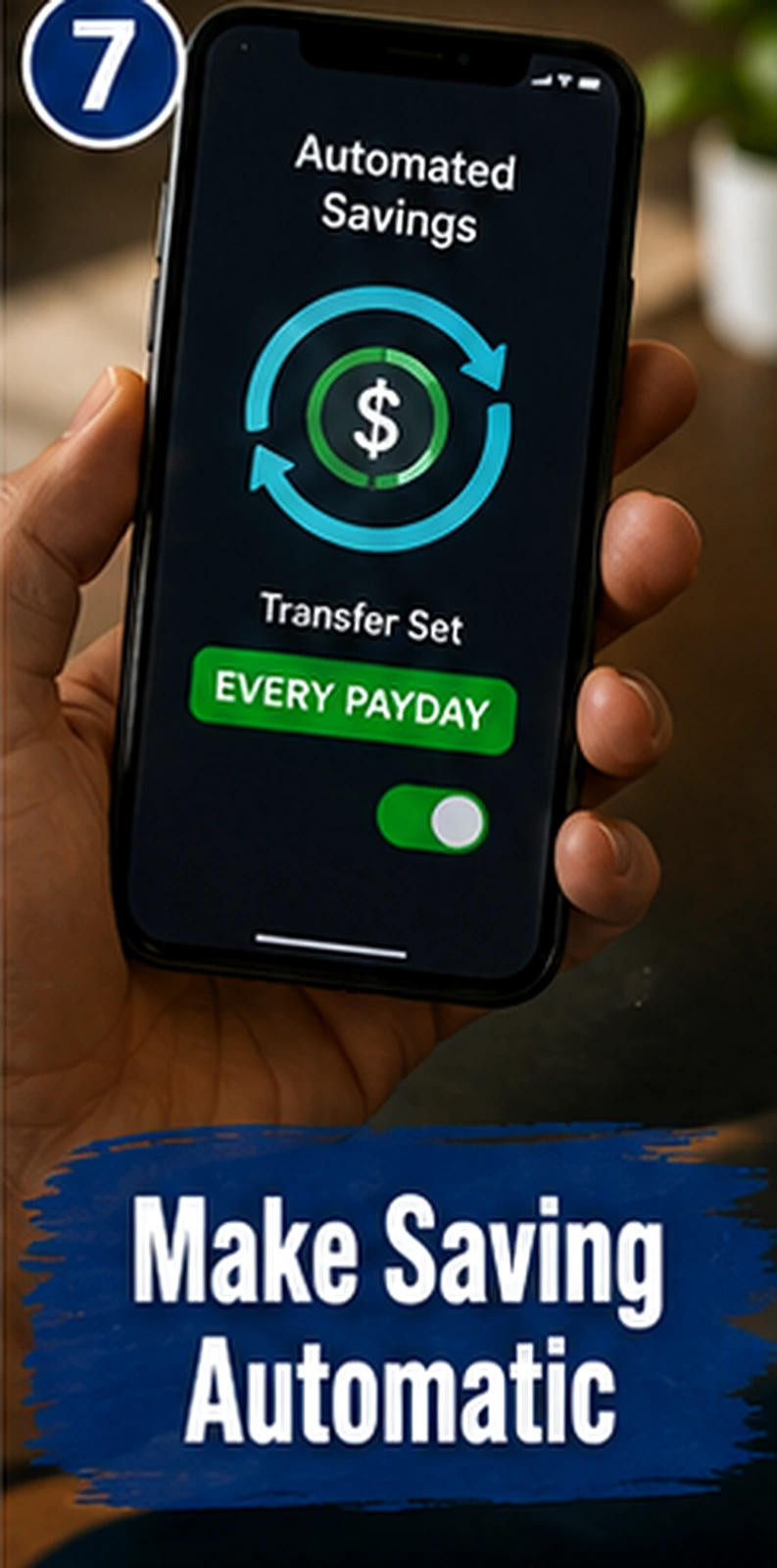
Week 4: Automate the New Default
The final week converts effort into infrastructure. Set an automatic savings transfer after payday. Create reminders for bill reviews and subscription renewals. Decide where extra money goes before it appears. Establish a purchase waiting rule for non-essential items.
Automation matters because good financial behavior should not require constant enthusiasm. A system that works only when you are motivated is fragile. A system that moves money, triggers reviews and creates friction automatically is more resilient.
Start with realistic amounts. The point is not to impress yourself on day 30. The point is to create a baseline that continues on day 60 and day 180.

The 30-Day Calendar
Days 1 to 3: gather accounts and statements. Days 4 to 7: categorize spending and identify the three biggest leaks. Days 8 to 10: cancel unused subscriptions. Days 11 to 14: reduce convenience spending. Days 15 to 18: compare telecom, insurance and service plans. Days 19 to 21: reset groceries and meal planning.
Days 22 to 24: set a savings transfer. Days 25 to 27: create purchase rules and renewal reminders. Day 28: review progress. Day 29: choose one metric for the next 90 days. Day 30: decide what becomes permanent.
Do not use the calendar as a perfection test. If you miss a day, continue. The reset succeeds when the system improves, not when every task happens on the exact date.

What Results Should You Expect?
A useful reset produces more than a lower spending number. You should finish with better visibility, fewer unnecessary recurring charges, at least one improved major bill, a more deliberate grocery routine, a savings automation and a clear next financial priority.
For some households the immediate savings may be $75 a month. For others it may be $400. The amount depends on income, existing efficiency and local costs. Avoid unrealistic promises. The deeper value is that the money system becomes easier to operate.
The reset also gives you evidence. You learn where your plan breaks under stress, which expenses matter emotionally and which reductions are painless. That information is more valuable than a generic budget template.

Common Reset Mistakes
Mistake one is cutting too hard too early. Severe restriction creates rebound spending. Mistake two is focusing only on tiny expenses while ignoring major recurring costs. Mistake three is celebrating a discount without redirecting the saved money.
Another mistake is building a complicated tracking system that requires daily maintenance. Complexity feels productive for a week and then becomes another abandoned project. Use the minimum level of detail that helps you make decisions.
Finally, do not treat a reset as proof that you should be able to solve an income problem with spending cuts alone. If essential costs consume nearly all income, increasing earning power may be as important as optimization.
How to Measure Whether the Reset Is Working
Do not judge the reset only by how much less you spent. Track a small set of operating metrics: recurring expenses removed, major bills reduced, automatic savings created, high-interest debt reduced and the number of weeks you stayed inside your grocery or discretionary target. These measures show whether the system itself is changing.
You can also track a stress metric. At the start of the month, rate how clear and manageable your finances feel from one to ten. Repeat the rating on day 30. This is subjective, but useful. A money system is supposed to create control, not merely produce a lower number on a statement.
Finally, separate one-time savings from permanent savings. Selling an unused item improves cash once. Lowering a recurring bill improves every month. Both are useful, but they should not be confused when you project future progress.
What to Do After Day 30
A reset should end with a 90-day operating plan. Choose one monthly review date, one savings target, one debt priority if applicable and one category that deserves extra attention. Do not keep the full intensity of the reset forever. That would turn improvement into maintenance fatigue.
Your next 90 days should feel lighter than the reset itself. The new rules and automations should carry most of the work. You may only need a 20-minute monthly review plus a quarterly subscription and bill check.
At the end of 90 days, evaluate what held. If the grocery plan collapsed, simplify it. If the savings transfer was repeatedly reversed, lower the amount and rebuild consistency. The purpose of the system is not to prove discipline. It is to survive contact with real life.
How Couples Can Run the Reset Without Fighting
Money resets can create tension when one person feels inspected by the other. Avoid turning the process into a forensic investigation of individual purchases. Start with shared objectives: more monthly margin, less debt pressure, a family trip, an emergency buffer or fewer money arguments.
Agree first on fixed obligations, shared savings and personal discretionary amounts. Personal money within agreed boundaries reduces the need for constant permission. Then review household systems rather than character: delivery habits, subscriptions, groceries, utilities and upcoming expenses.
The most productive question is not ‘Who spent this?’ but ‘What would make this easier next month?’ That keeps the reset focused on design and makes it much more likely both people will continue after the initial month.
Use the Reset to Build a Safety Margin
Once the obvious leaks are reduced, direct part of the savings toward a buffer. Even a modest emergency fund changes decision quality. A surprise expense is less likely to go on a high-interest card, and a difficult month is less likely to destroy the entire plan.
Do not wait for a perfect three- or six-month emergency fund before valuing smaller milestones. The first $250, $500 or $1,000 can already reduce fragility. The right target depends on household size, job stability and fixed obligations.
A reset is most powerful when the money you free has a job. Without a destination, savings tend to dissolve back into lifestyle spending. A visible buffer turns temporary optimization into lasting resilience.
A Simple Before-and-After Scorecard
At the beginning of the reset, record five numbers: total monthly recurring bills, average weekly grocery plus delivery spending, subscription total, automatic savings amount and high-interest debt balance. Record the same numbers on day 30. A before-and-after scorecard keeps the project grounded in evidence rather than mood.
Also note one behavioral measure, such as the number of unplanned online purchases or delivery orders. Behavior often changes before the bank balance shows the full benefit. If the system is improving, those repeated decisions should become less chaotic even before every financial goal is reached.
FAQ
Can I do the reset if I have debt?
Yes. In fact, visibility and recurring-cost reduction can create room for a better debt plan. Prioritize high-interest debt while protecting a basic emergency buffer.
Do I need a budgeting app?
No. A simple sheet or banking dashboard is enough if it gives you useful visibility.
What if my partner is not interested?
Start with shared goals rather than accusations. Focus on reducing waste and stress, not controlling every purchase.
Should I pause investing during the reset?
That depends on debt, emergency savings, employer benefits and risk. The reset itself is not investment advice; it is an operating cleanup.
How often should I repeat the reset?
A full version once or twice a year is enough for many people, with lighter monthly reviews in between.
Related Save Money Guides
- How to Save Money Without Feeling Deprived
- The Subscription Trap: How Small Monthly Charges Drain Your Money
- How Families Can Save Money Without Making Life Feel Smaller
- How to Use Smart Tools and Better Habits to Save More Money
Next Step
The Calm Money Reset is designed for exactly this moment: when you want more control without turning money into a source of punishment. Use the 30-day plan as the operational beginning and the book as the deeper framework for rebuilding a calmer relationship with spending.
Progress is not a perfect month. Progress is a system that makes next month easier.
The headline is only the start.
Ask Nova what this story could change in your budget, savings, debt, investments or next purchase.