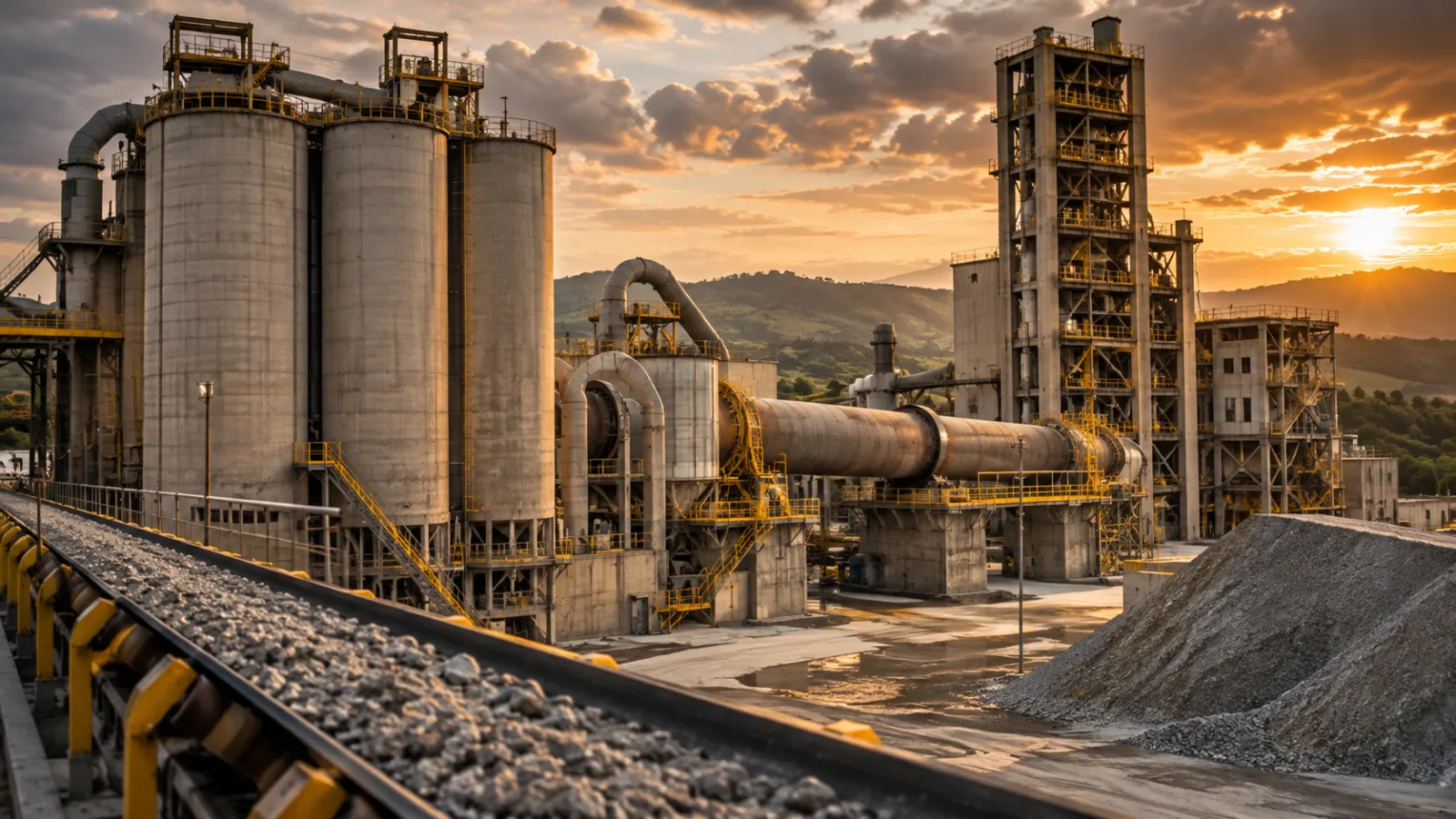
CSN and Huaxin signed a share-purchase agreement valuing CSN Cimentos at R$12.7 billion enterprise value. Estimated equity consideration is about R$9.03 billion; closing awaits regulatory approvals.
Money no Sofá Global Newsroom | Updated November 9, 2026 | Brazil → World | Business & Money
THE UPDATE: Brazil’s Companhia Siderúrgica Nacional (CSN) has signed an agreement to sell CSN Cimentos to China’s Huaxin Building Materials Group. The deal values the cement business at R$12.7 billion, but that is its enterprise value — not the cash CSN will necessarily receive. Completion still requires regulators’ clearance. For investors, employees and construction companies, a signed contract is important progress, not the final transfer of ownership.
WHAT MATTERS IN 30 SECONDS
- What changed: CSN and Huaxin moved beyond the October 30 exclusivity announcement to a signed share-purchase agreement dated November 7.
- The big number: R$12.7 billion is the agreed enterprise value, with normal closing adjustments.
- What may change hands: Huaxin’s disclosed estimate is approximately R$9.03 billion for 99.99% of the shares, subject to net-debt and working-capital adjustments.
- What has not happened: The transaction has not been completed and is subject to competition, electricity-sector and Chinese regulatory approvals.
WHAT HAPPENED — FROM TALKS TO A CONTRACT
In its October 30 US securities filing, CSN said that Huaxin had won exclusivity to negotiate an acquisition of CSN Cimentos. That was a negotiation milestone, not a completed sale. CSN’s new November filing confirms that the parties signed a share-purchase agreement on November 7. This changes the status of the story materially: the parties have a contract, although required approvals and closing steps remain outstanding.
CSN is listed in Brazil under CSNA3 and in the United States under SID. That makes the proposed sale a Brazil-to-world capital-markets event, not merely a local industrial headline. The buyer is a Chinese building-materials group seeking a bigger position in a large Latin American construction market.

THE TWO NUMBERS INVESTORS MUST NOT CONFUSE
R$12.7 billion is enterprise value: a way of valuing the business as a whole that accounts for the company’s financing structure. It is not an announcement that CSN will receive that entire sum into its bank account. The value of the equity changing hands depends on the target’s debt, cash and working capital, among other contractual adjustments.
Huaxin’s disclosure, as reported by Reuters, estimates roughly R$9.03 billion for 99.99% of CSN Cimentos, with the final amount subject to closing calculations. The two figures are not competing price tags. They describe different aspects of the same proposed transaction. Neither figure should be presented as finalized cash proceeds.

WHY MONEY CARES
CSN says the transaction fits its strategy to reduce indebtedness and improve its capital structure. Selling an operating subsidiary can produce cash that may be used to pay down obligations. That could improve financial flexibility, but the eventual effect depends on the net proceeds, timing, allocation of cash and liabilities retained by the seller.
For Brazil’s cement and construction sectors, a large foreign buyer may alter competition, investment plans and supplier relationships. Cement affects the cost structure of homes, infrastructure and commercial development. Yet it would be speculative to claim this agreement will raise or lower cement prices, create jobs or cause layoffs: those consequences are not established by the filing.

WHO IS AFFECTED
Shareholders and creditors: the difference between enterprise value, debt and net proceeds is central to judging the financial impact on CSN. Workers and contractors: the deal may affect long-run ownership priorities, but employment outcomes have not been established. Homebuilders and infrastructure firms: changes in industry competition matter, although contract prices will depend on markets and regulators. Global investors: the acquisition is an example of Chinese industrial capital targeting Brazilian productive assets.
WHAT MUST HAPPEN BEFORE THE SALE CLOSES?
CSN identified approvals including Brazil’s competition authority CADE, prior consent from electricity regulator ANEEL, and applicable approvals in China. There are also customary closing conditions. The companies may sign today and still face a period of regulatory review before any transfer is complete. The duration and outcome of those reviews are not guaranteed.
THE MONEY CONSEQUENCE — THREE QUESTIONS TO ASK
1. Debt: How much net cash can CSN actually deploy after closing adjustments? 2. Competition: What conditions, if any, will regulators impose? 3. Construction: Will future investments change cement capacity, distribution or customer costs? The sensible stance today is to watch documented milestones rather than assume a particular share-price move or consumer-price change.
THE MNS LENS
This is where a huge headline can hide two completely different money stories: the size of the business being acquired and the amount that flows to the seller’s owners. Understanding that difference is more useful than reacting to the largest number in the headline. The deal is real; completion, cash proceeds and downstream consequences are still conditional.
WHAT TO WATCH NEXT
Look for CADE’s competition review, ANEEL’s consent, Chinese regulatory decisions, closing updates from both companies and any verified revision to the equity consideration. We will distinguish completed events from projections as the process advances.
ASK NOVA
Question: ‘What is the difference between enterprise value and equity value, and how could debt reduction affect a company’s financial health?’ Open the MNS investment decision tool.
MORE MONEY CONTEXT
How Brazil’s international trade affects businesses and consumers · Explore NOVA.
SOURCES / VERIFICATION
- CSN Form 6-K: signed share purchase agreement and conditions, November 2026 (primary company disclosure).
- CSN Form 6-K: original exclusivity announcement, October 30, 2026.
- Reuters, November 8: Huaxin’s estimated equity consideration and market context.
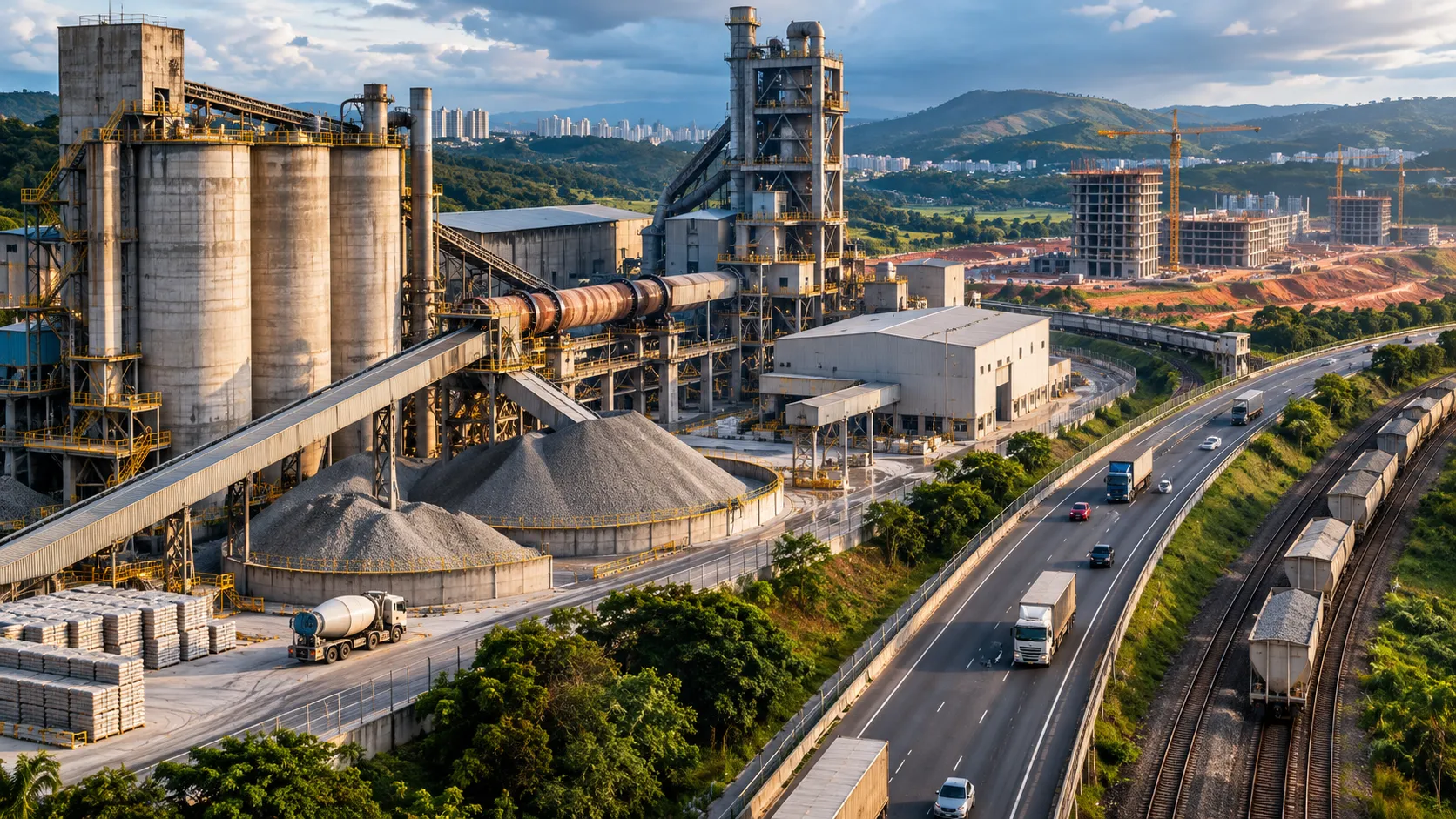
Editorial note: Updated November 9 to replace the earlier exclusivity-stage account with the signed agreement. The transaction is not yet closed. This article is informational, not personalized investment advice. Any AI-assisted visuals are conceptual illustrations, not documentary images of the transaction.
The headline is only the start.
Ask Nova what this story could change in your budget, savings, debt, investments or next purchase.


