The ECB warns that AI valuations and debt could transmit risks from stocks to bonds. Here's what it means for everyday money.
Frankfurt, Germany — November 18, 2026. The artificial-intelligence boom is no longer just a technology-stock story. The European Central Bank says the financing behind it could become a wider financial-stability problem if investor expectations change quickly. Its new Financial Stability Review links three pressure points: expensive AI-related assets, government debt and the growing connections between banks and investment funds.

In 30 seconds
Europe’s central bank is warning about vulnerabilities, not forecasting an inevitable crash. AI shares have risen on expectations of large future earnings. At the same time, more of the infrastructure buildout is financed with borrowing. A sudden loss of confidence could therefore affect not only share prices but also bondholders and institutions exposed to them. The ECB also highlights sovereign-debt risks and geopolitical uncertainty. It says euro-area banks have meaningful capital and liquidity cushions, even as some non-bank financial institutions remain more vulnerable.
The number that matters: three connected risks
Valuations. Borrowing. Spillovers. These are the channels to watch, rather than one dramatic crash prediction or a single AI company’s share price. High expectations can support a high valuation for years, but they increase the damage if revenues, margins or funding conditions disappoint. Debt adds fixed payment obligations to what otherwise might have been a stock-market bet. When institutions hold overlapping assets or rely on short-term funding, one repricing can prompt selling elsewhere.

What happened today?
In its November 18 press release, the ECB said global equity gains tied to AI reflect ambitious future-profit assumptions. It warned those assumptions could be tested by financing concerns and competition from cheaper models. The bank added that rising debt financing for AI infrastructure could transmit a change in sentiment from equity markets into bond markets.
The same review points to elevated public debt, increasing sovereign borrowing requirements and more leveraged, news-sensitive investors in government bonds. The ECB stresses that euro-area sovereign-bond markets have continued to operate in an orderly way. Risk, in other words, is not the same thing as a disorderly market already happening.
Why debt changes the AI story
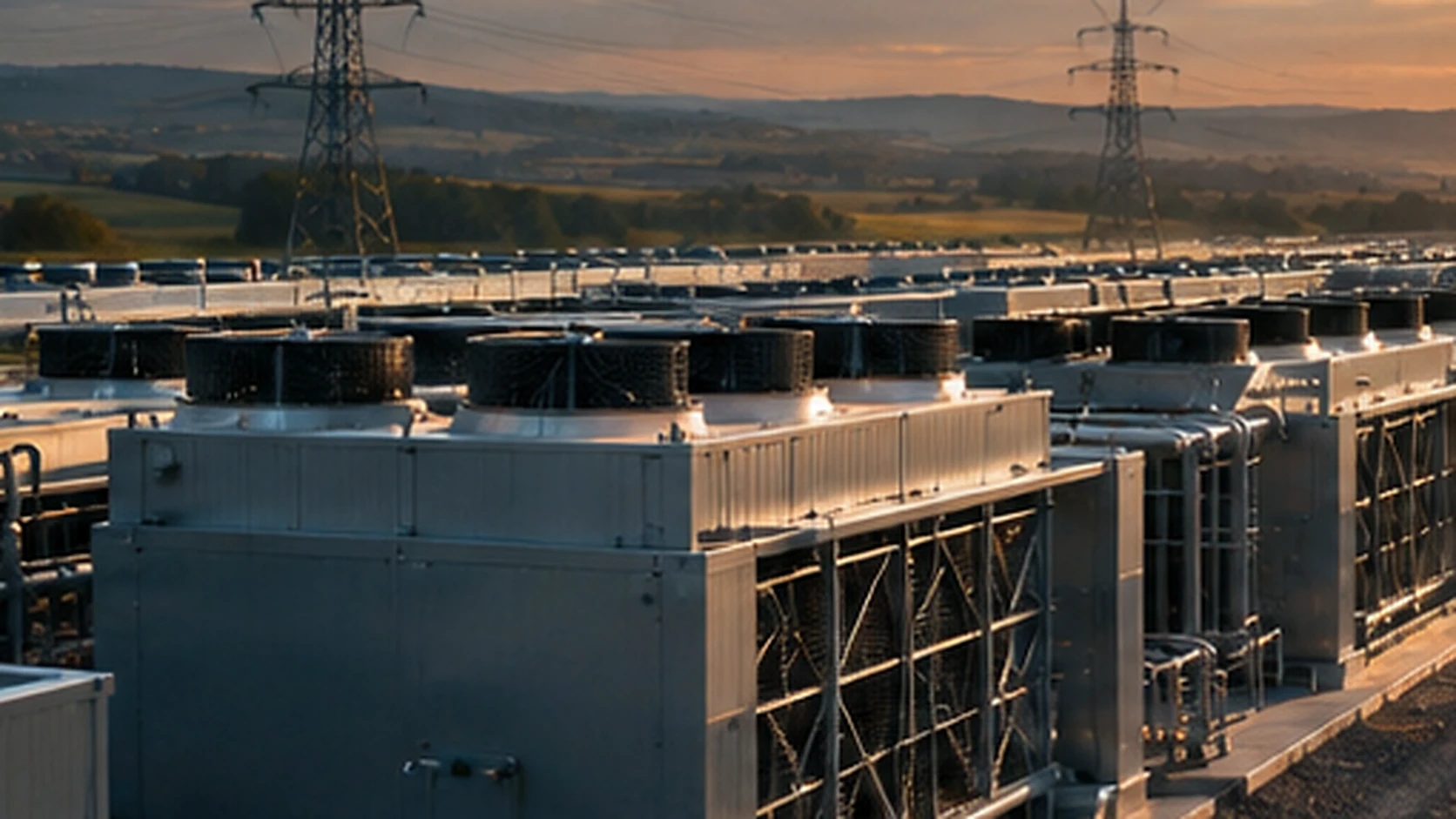
A data center is not only a set of chips. It requires power, land, cooling, networking, construction and long-term customers. Borrowing can help a company build faster, but the interest bill must be paid even if AI demand grows more slowly than forecast. If financing becomes more expensive, projects that looked attractive under one set of assumptions may face a different calculation.
That does not mean AI spending has no economic value. Productive infrastructure could support real new services and efficiency gains. The ECB’s question is whether every asset is priced for success, and whether the system can absorb disappointment without a chain reaction.
Why it matters beyond Europe
Large technology companies, lenders, asset managers and bond investors operate across borders. Financing costs in one major market can influence fundraising and investment decisions elsewhere. For savers and investors in the US, UK, Canada or Brazil, the direct exposure may be quite different, but the common mechanism is familiar: tighter credit and repriced risk can change the economics of businesses, portfolios and household loans.
There is no reason to assume every household owns AI stocks or that every bank is equally exposed. What matters is the path from a concentrated market position to diversified funds, bank balance sheets, borrowing costs and economic activity. Those paths differ by country and product.
What changes for your money?
For long-term investors: check concentration instead of assuming a broad index or a collection of funds is automatically diversified across underlying companies. A portfolio can hold the same large technology names in several products. Review risk capacity and investment horizon before reacting to headlines.
For borrowers: pay attention to the rate and renewal terms on debts that can reprice. Financial stress does not guarantee higher borrowing costs, but it can make refinancing conditions harder to predict. An emergency buffer and an affordable debt schedule are more useful than guessing the exact next central-bank move.
For small businesses: look at the real cost of technology commitments and whether savings are measurable. A new AI contract or infrastructure purchase is only a good investment if the outcomes justify its recurring cost, implementation time and financing exposure.

The MNS lens: separate innovation from the price of innovation
AI can be transformative and still be overpriced in particular markets. Both statements can be true. The useful question for a reader is not simply whether the technology will win, but what must go right for today’s investment price to make sense—and who carries the loss if the plan is delayed.
The ECB’s analysis also offers an important counterweight to sensational headlines. It describes euro-area banks as resilient because of profits, capital and liquidity, while emphasizing greater vulnerabilities in parts of the non-bank sector. A warning about financial stability is not a declaration that a banking crisis has begun.
What to watch next
Watch actual AI company earnings versus expectations, evidence of rising borrowing costs on AI projects, funding conditions for non-bank lenders and any sharp movement in government-bond yields. Also monitor whether banks report changes in credit quality or lending behavior. These observations are more informative than a viral prediction of a market collapse.

Ask NOVA
“How can I check whether my investment funds overlap in AI stocks, and what should I review about my debts if markets get more volatile?” Use MNS Money AI tools to build a personal checklist, then verify product details with your provider. This is educational content, not personalized investment advice.
Related MNS reporting
Read the Federal Reserve’s concerns about AI and finance, why AI data centers are changing the energy business, and how AI financing risk reaches credit markets.
Sources
- European Central Bank — Financial stability risks press release, November 18, 2026
- European Central Bank — Financial Stability Review, November 2026
- Reuters — ECB vice-president on AI and debt risks, November 16, 2026
Money no Sofá editorial note: Five reused original MNS conceptual illustrations; none depicts a specific November 18 event. Educational analysis, not investment or credit advice. Market outcomes are uncertain.
The headline is only the start.
Ask Nova what this story could change in your budget, savings, debt, investments or next purchase.