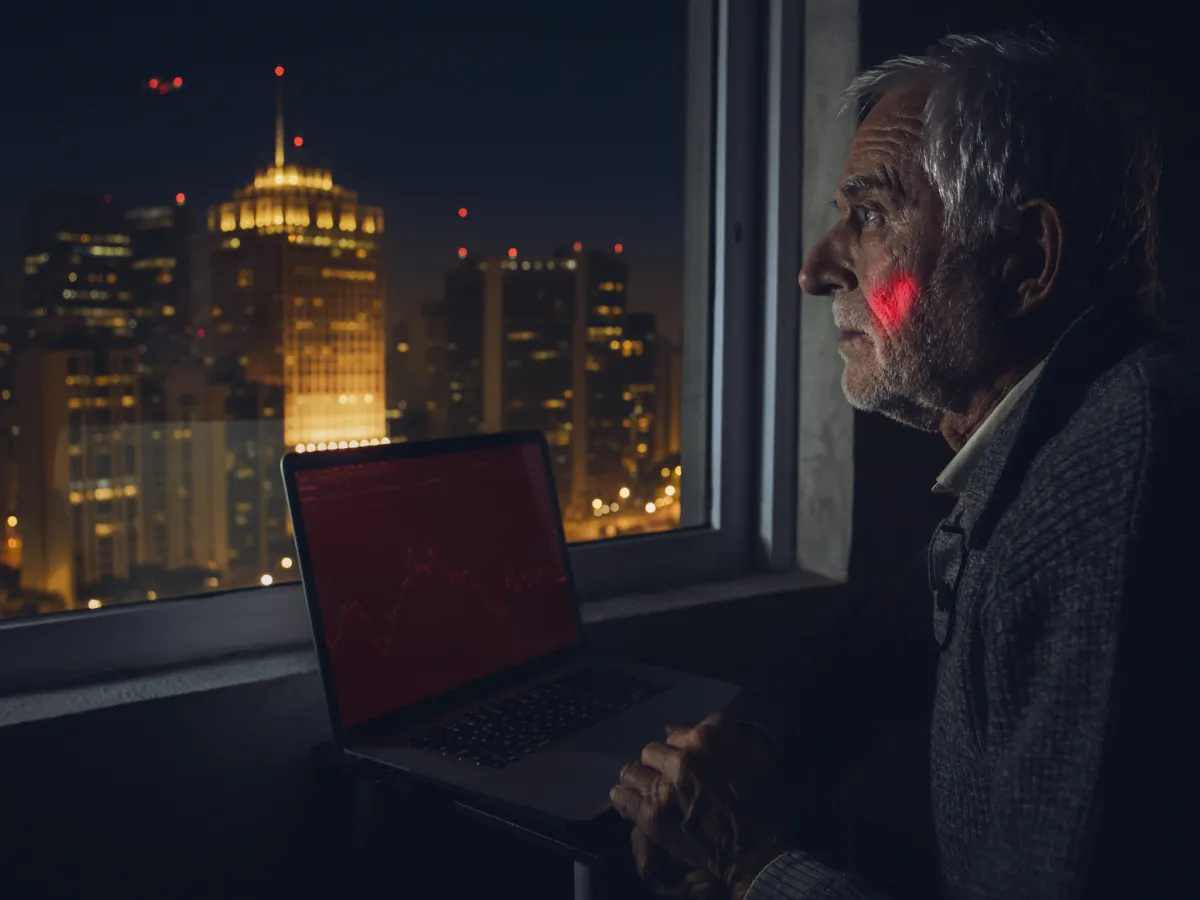
Brazil's Supreme Court hearing on November 3 puts consumer refunds and football sponsorship under scrutiny. What is known — and what is not.
Brazil’s online betting ban has changed the market. It has not made the financial consequences disappear. Consumers are still concerned about balances, operators face legal uncertainty, and football clubs are rethinking sponsorship income.
Update | November 1: the Supreme Court hearing
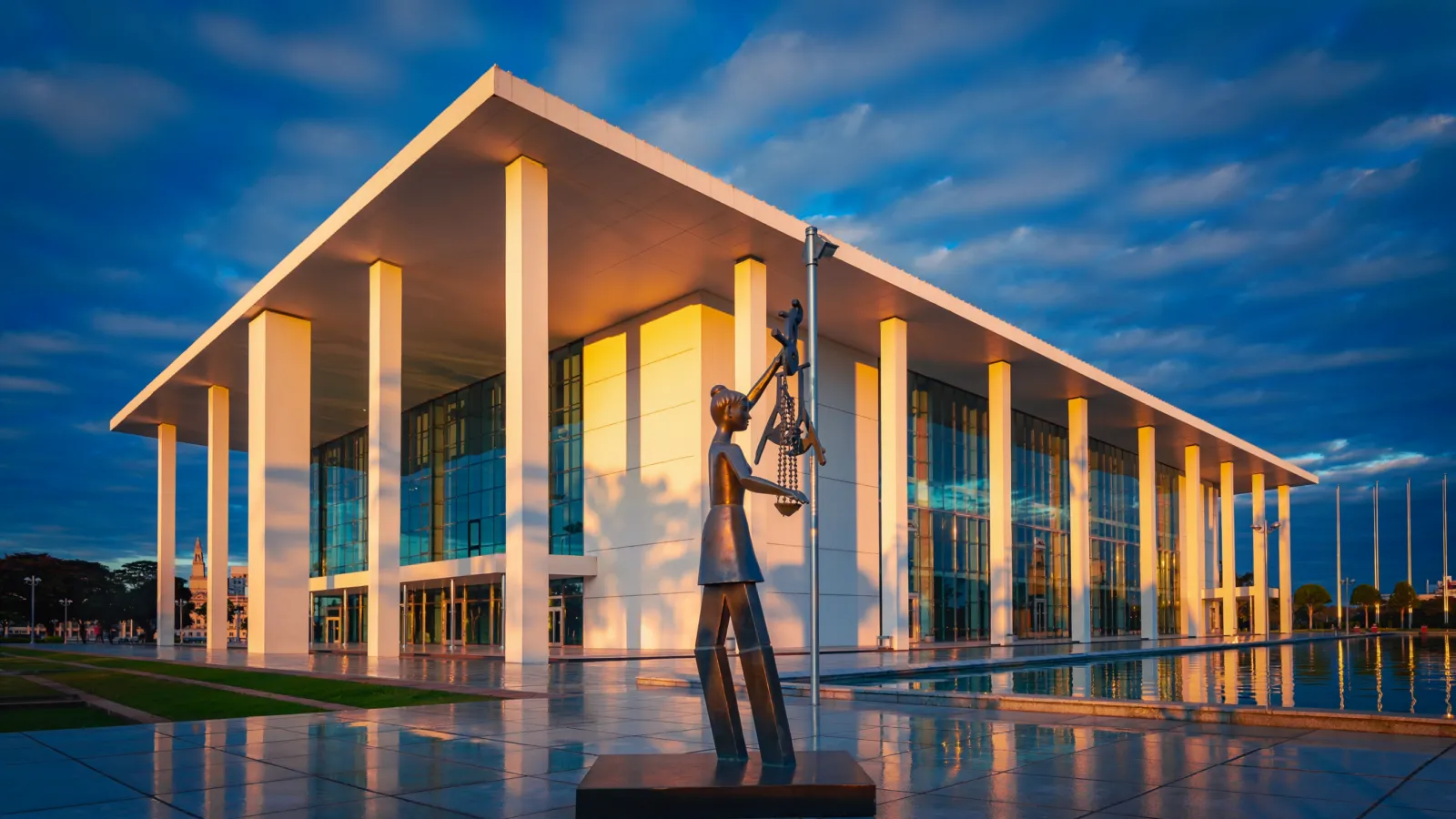
The Supreme Federal Court has scheduled a public hearing for November 3, 2026, at 10 a.m. Brasília time to discuss Provisional Measure 1.394/2026 and constitutional challenge ADI 8027. The agenda includes 28 organizations, among them clubs, the CBF, regulators and operators. The hearing is not itself a ruling that legalizes betting again, nor proof that outstanding customer balances were refunded. Consumers should keep verified account and bank records and avoid unsolicited refund intermediaries; clubs should examine contracted sponsorship exposure before assigning any revenue-loss figure.
Primary source: STF hearing schedule. Money no Sofá never recommends betting as a way to make money.
November 2 update: hearing remains ahead, not a final ruling
The STF confirmed that its November 3 public hearing begins at 10 a.m. Brasília time and will discuss the effects of Provisional Measure 1.394/2026 and constitutional challenge ADI 8027. The court’s published schedule names sports clubs, government bodies and industry representatives. At this stage, a hearing does not mean betting sites can reopen or that unresolved balances have been returned. Customer protections and genuine official refund guidance remain separate from operators’ arguments about revenue loss. The date, participants and agenda are supported by the STF’s official announcement.
In 30 seconds
On October 27, 2026, news reports said Supreme Court Justice Luiz Fux kept the federal ban on online betting in force and called a hearing for November 3 involving government officials, the industry and football clubs. The meeting is an opportunity to discuss the dispute, not a confirmed decision to reopen betting.
Three different money problems
1. Money owed to users
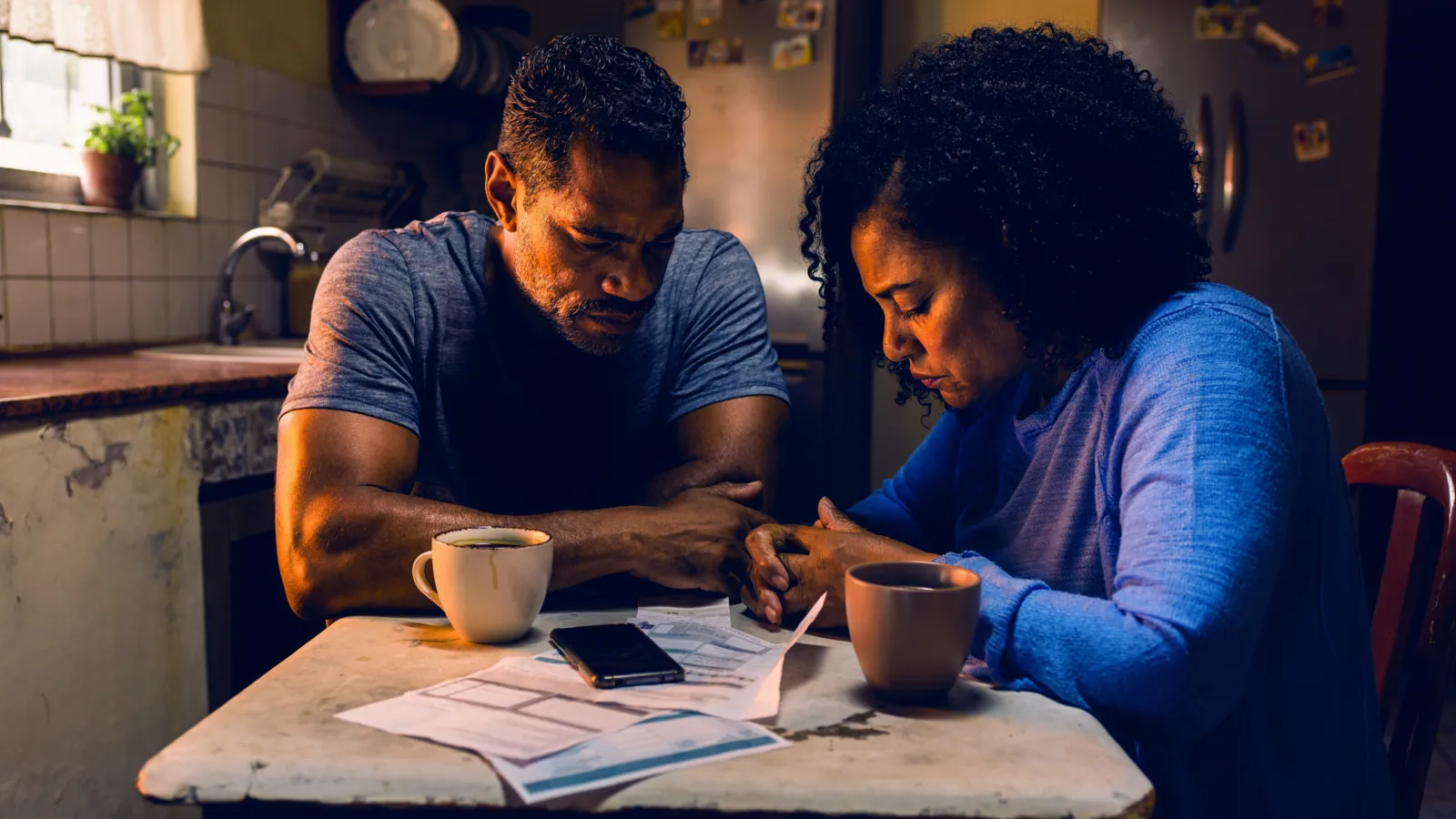
Previous withdrawal and refund windows have passed for many users. Anyone who believes a remaining balance was not returned should preserve account statements, transaction receipts, identification of the operator and prior support correspondence. Use official financial institution or government consumer-protection channels; avoid impostors promising an instant refund in exchange for advance fees or passwords. See the MNS refund explainer for existing context.
2. Sponsorship money in football

Some clubs depended heavily on advertising contracts with betting operators. Estimates of lost recurring revenue depend on the club, contract terms, whether replacement sponsors appear and whether the ban remains unchanged. A forecast loss is not the same as a finalized shortfall. The business question is how quickly teams can diversify commercial income without cutting essential operations.
3. Regulation and shadow markets
The legal debate involves consumer protection, public health, authorization fees and enforcement. Industry representatives warn that illegal platforms could attract customers when regulated operators disappear. Those arguments deserve scrutiny alongside the documented costs of problem gambling and household debt. Neither possibility is a reason to promote gambling as a money-making strategy.
The MNS lens: protecting people while following the money
A ban can reduce access to a harmful product while forcing a transition for legitimate customer balances and existing commercial agreements. Policymakers should be judged on verifiable outcomes: refunds completed, illegal operators blocked, advertising controls enforced, and household harm reduced.
There is an international angle as well. Payments providers, football brands, broadcasters and foreign operators must assess regulatory exposure in one of the world’s largest consumer markets.
Who is affected?
Consumers with unpaid balances, families managing debt, clubs with sponsorship obligations, employees at operators and service companies, and institutions responsible for handling refunds and enforcement.
What changes next
Watch the November 3 hearing, the terms of any court ruling, official guidance on unresolved balances, and new sponsor announcements. Do not assume that a hearing automatically reverses the ban.
Ask NOVA: How should I organize evidence of money still owed to me? A practical next step is to list amounts, dates, payment methods and communications, keeping passwords and one-time codes private.
Sources
Folha de S.Paulo: Fux keeps betting ban, calls November 3 hearing; UOL Comprova: history of betting legalization and regulation.
Money no Sofá | October 27, 2026. General consumer information, not legal advice. This article does not promote gambling.
The headline is only the start.
Ask Nova what this story could change in your budget, savings, debt, investments or next purchase.