Brazil’s mid-month inflation gauge slowed to 0.32% in October, but the detail behind the number offers a less comfortable story for shoppers.
Brazil’s mid-month inflation gauge slowed to 0.32% in October, but the detail behind the number offers a less comfortable story for shoppers.
Brazil’s IPCA-15 inflation index rose 0.32% in the period measured through mid-October, according to figures released by IBGE on Friday, October 23. That compares with 0.70% in September and a 0.43% increase expected in a Reuters poll. The slowdown is meaningful. But for families trying to reconcile the index with their receipts, the headline number is only the beginning.
The mixed message inside inflation

The 12-month IPCA-15 rate reached 4.62%, up from 4.47% in the preceding period. That means the monthly increase slowed even as accumulated inflation moved higher. These statements are not contradictory: the annual measure reflects twelve months of price changes and the base period used for comparison. It would be wrong to present one month of slower inflation as proof that prices across Brazil are falling.
Food can outweigh the average

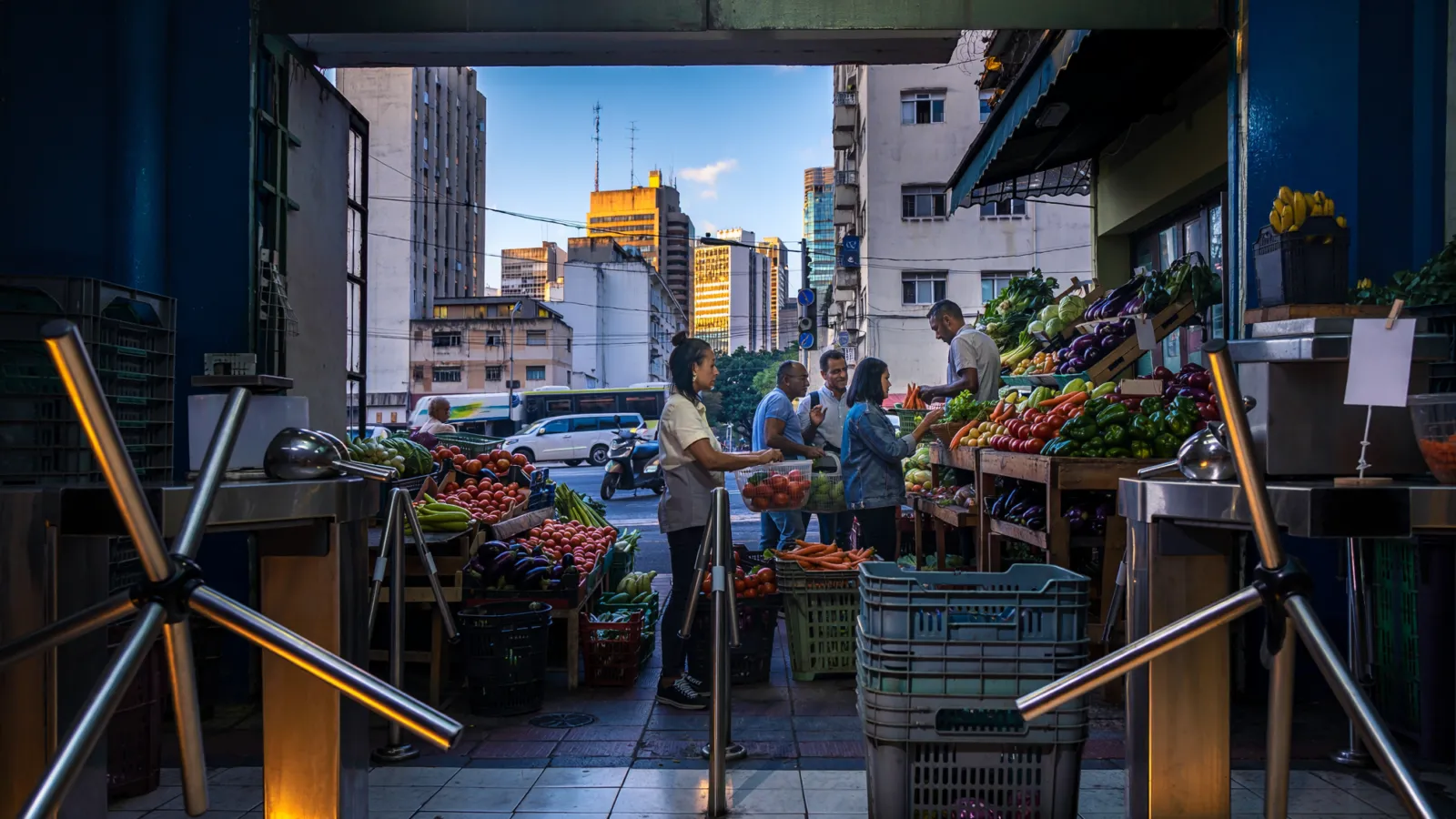
Food and beverage prices rose 0.88% in the period, while the housing group edged down 0.1%, the figures showed. A household spending a high share of income on groceries can experience stronger pressure than the national average suggests. Different regions and baskets also produce different results. The IPCA-15 is a price index for a measured basket; it is not a personal inflation rate calculated from one family’s purchases.
What this means for interest rates

Brazil’s central bank targets 3% inflation with a tolerance band of 1.5 percentage points on either side. Policymakers face a delicate choice when headline numbers improve but annual inflation remains elevated. The central bank’s next decision depends on expectations, underlying price measures, activity, the exchange rate and fiscal risks—not just this preliminary inflation reading. The IPCA-15 is also not the same release as the final monthly IPCA.
The household view

If a grocery budget has climbed faster than earnings, the first useful exercise is to separate persistent increases from occasional purchases. Compare prices of frequent items across several weeks and consider substitutions where nutrition and quality remain acceptable. For people managing floating-rate debt, the policy path matters, but a single central-bank decision seldom changes borrowing costs immediately or uniformly.
What to watch next
The next full IPCA report, inflation expectations and the central bank’s November decision will help show whether the cooling is durable. The Money no Sofá take: lower-than-expected inflation is encouraging, not permission to ignore the categories where money is still disappearing fastest.
Source: IBGE figures reported by Reuters, October 23, 2026.
Money no Sofá editorial analysis. All cited market readings refer to their stated release or trading date; future policy decisions are not yet confirmed. This article is informational, not individualized financial advice.
The headline is only the start.
Ask Nova what this story could change in your budget, savings, debt, investments or next purchase.