
Market desk • Money, AI, World Cup and daily choices

AboutContactPrivacy

Money no Sofa

Smarter reads about money, markets, technology, World Cup culture and decisions people make from home.

Fast editorial intelligence for people who want to spend better, save better and understand what is moving attention.

Tag: Buying Decisions

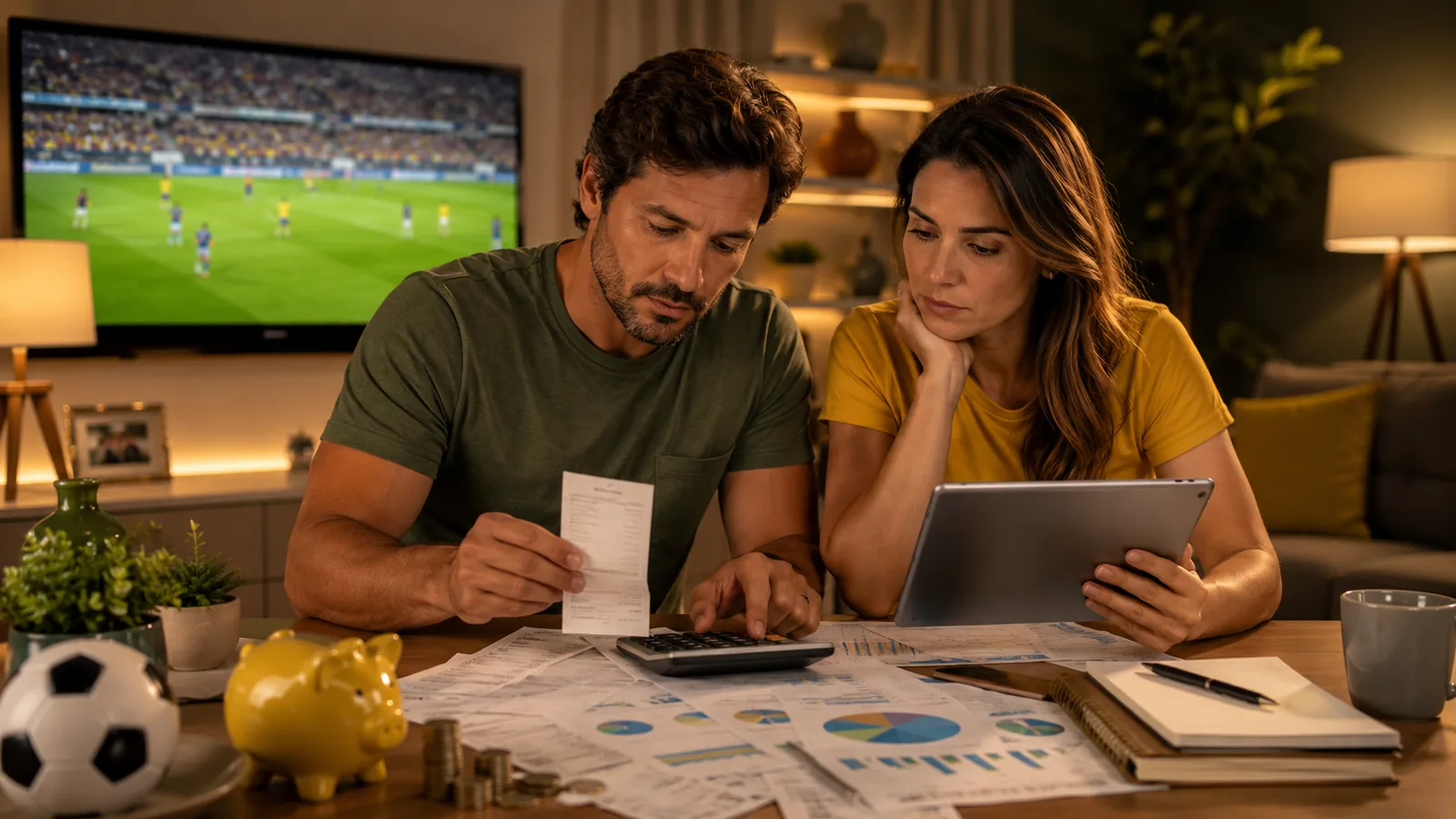
  • When Brazil Plays, the Home Becomes Economics Without Overspending

    When Brazil Plays, the Home Becomes Economics Without Overspending

    When Brazil Plays, the Home Becomes Economics Without Overspending on Money no Sofa, with practical family budgeting and smart spending advice

    When Brazil Plays, the Home Becomes Economics Without Overspending starts from the Money no Sofa idea: money, home, technology and emotion are never separate. They meet in the living room, at the grocery store, on the phone, on the credit card statement and in the small rituals that make a family feel either in control or under pressure.

    The living room reveals more about money than most spreadsheets. It shows what the family watches, what it buys, what it postpones, what it celebrates and what it regrets. Good financial decisions often begin with a pause, not with a calculator.

    The sofa pause

    A pause does not mean doing nothing. It means creating distance between desire and payment. Sit down, look at the purchase, check the reason and ask whether it improves the home or only fills a moment. That short delay can prevent expensive habits.

    Small costs, big pressure

    Most budgets do not break because of one dramatic purchase. They get tired through delivery fees, forgotten subscriptions, small installments, repeated snacks, duplicate tools and upgrades bought without a plan. The numbers look small alone, but they behave like a crowd.

    A better home routine

    Choose one day per week to review food, bills, subscriptions and upcoming purchases. Keep the conversation practical and calm. The goal is not guilt. The goal is to make the next week easier. Families need simple systems that survive real life.

    Smart spending is not restriction

    Spending well means giving money a job. Some money creates comfort. Some protects the future. Some buys memories. The problem is not buying. The problem is buying without knowing which job the purchase is supposed to do.

    Money no Sofa recommendation

    Keep three lists: buy now, wait, and forget. The buy-now list should be short. The wait list protects you from impulse. The forget list is proof that many desires disappear when the family gives them time.

    Match day spending checklist

    Before Brazil plays, many families spend more than planned on food, drinks, delivery, jerseys, streaming, decorations and last-minute upgrades. The easiest way to stay calm is to define the match-day budget before the emotion begins.

    • Food: choose a simple menu before opening delivery apps.
    • Guests: split costs clearly if friends or family are coming.
    • Streaming: check whether you already have access before buying another service.
    • Impulse buys: wait 24 hours before buying a new TV, speaker or jersey.

    How to enjoy the game without losing control

    A good game at home does not need to become an expensive event. The best plan is simple: decide the budget, use what you already have and spend only where it improves the experience for everyone. That is the Money no Sofa rule: emotion is welcome, but the bill still matters.

    FAQ: Brazil games and home spending

    How much should a family spend on match day?

    The best amount is the number that does not create pressure after the final whistle. Set a fixed budget for food, guests and extras before the game starts.

    Is it worth buying a new TV before the World Cup?

    Only if the purchase fits your monthly plan and solves a real need. If it creates debt or stress, waiting is usually the smarter choice.

    How can families avoid impulse spending during big games?

    Use a waiting list. Put every non-essential purchase there for 24 hours. Many emotional purchases lose strength after the game ends.

  • Cybersecurity at Home: Protect Your Money Without Overspending

    Cybersecurity at Home: Protect Your Money Without Overspending

    Cybersecurity at Home: Protect Your Money Without Overspending on Money no Sofa, with practical family budgeting and smart spending advice

    Cybersecurity at Home: Protect Your Money Without Overspending starts from the Money no Sofa idea: money, home, technology and emotion are never separate. They meet in the living room, at the grocery store, on the phone, on the credit card statement and in the small rituals that make a family feel either in control or under pressure.

    Technology is useful when it reduces confusion. It becomes expensive when it creates urgency, comparison anxiety or the feeling that the newest option is always necessary. At home, the best digital choice is the one that saves time, prevents mistakes or helps the family spend with more clarity.

    The practical value test

    Before adopting a tool, app, device or subscription, define the problem it must solve. Does it help compare prices, avoid fees, protect passwords, organize bills or improve a daily routine? If the benefit is only curiosity, wait. Curiosity is not a budget category.

    Where technology can save money

    Price alerts, bank notifications, budgeting apps, safer passwords, streaming reviews and AI-assisted comparison can all help. The gain is not magic. The gain comes from better timing and fewer impulsive decisions. A family that checks prices over a few days often sees that the first offer was not the best offer.

    Where technology can cost more

    The same phone that helps you compare prices also makes it easy to buy in ten seconds. One-click checkout, sponsored recommendations and limited-time banners are built to shorten your thinking. The antidote is a simple rule: never buy an upgrade, subscription or gadget while tired, angry or excited by a match, a headline or a social post.

    A calm home system

    Keep a short list of approved tools: one app for bills, one for notes, one for price comparison and one secure place for passwords. More tools do not mean more control. Control comes from consistency.

    Money no Sofa recommendation

    Use technology as a filter, not as a trigger. If a tool helps the family wait, compare and choose with confidence, it deserves space. If it only creates desire, delete the notification and return to the sofa before spending.

    Simple digital money checklist

    A safer home money routine does not need expensive software. It needs a few habits repeated every week. Start with the basics before buying another app or device.

    • Turn on bank alerts: every card purchase should generate a notification.
    • Review subscriptions: cancel tools that no one in the house uses.
    • Use strong passwords: one weak password can create expensive problems.
    • Delay purchases: keep non-essential digital purchases on a 24-hour waiting list.
    • Compare before upgrading: a new gadget should solve a real problem, not just create excitement.

    When a paid tool is worth it

    A paid app or service is worth considering when it saves more money than it costs, reduces mistakes or protects something important. If the tool only adds another dashboard, another login and another monthly fee, it may be noise disguised as control.

    FAQ: safer digital money habits

    Do families need many finance apps?

    No. One simple routine is usually better than several apps that no one checks consistently.

    What is the first digital habit to fix?

    Start with notifications from your bank and card. Fast alerts make it easier to notice problems and control spending.

    When should a family pay for a digital tool?

    Only when the tool clearly saves time, avoids mistakes or supports better decisions every month.

  • Home, Coffee and Bills: The Budget Ritual Without Overspending

    Home, Coffee and Bills: The Budget Ritual Without Overspending

    Home, Coffee and Bills: The Budget Ritual Without Overspending on Money no Sofa, with practical family budgeting and smart spending advice

    Home, Coffee and Bills: The Budget Ritual Without Overspending starts from the Money no Sofa idea: money, home, technology and emotion are never separate. They meet in the living room, at the grocery store, on the phone, on the credit card statement and in the small rituals that make a family feel either in control or under pressure.

    The living room reveals more about money than most spreadsheets. It shows what the family watches, what it buys, what it postpones, what it celebrates and what it regrets. Good financial decisions often begin with a pause, not with a calculator.

    The sofa pause

    A pause does not mean doing nothing. It means creating distance between desire and payment. Sit down, look at the purchase, check the reason and ask whether it improves the home or only fills a moment. That short delay can prevent expensive habits.

    Small costs, big pressure

    Most budgets do not break because of one dramatic purchase. They get tired through delivery fees, forgotten subscriptions, small installments, repeated snacks, duplicate tools and upgrades bought without a plan. The numbers look small alone, but they behave like a crowd.

    A better home routine

    Choose one day per week to review food, bills, subscriptions and upcoming purchases. Keep the conversation practical and calm. The goal is not guilt. The goal is to make the next week easier. Families need simple systems that survive real life.

    Smart spending is not restriction

    Spending well means giving money a job. Some money creates comfort. Some protects the future. Some buys memories. The problem is not buying. The problem is buying without knowing which job the purchase is supposed to do.

    Money no Sofa recommendation

    Keep three lists: buy now, wait, and forget. The buy-now list should be short. The wait list protects you from impulse. The forget list is proof that many desires disappear when the family gives them time.

  • Installment Purchases: When Waiting Makes Sense in Everyday Life

    Installment Purchases: When Waiting Makes Sense in Everyday Life

    Installment Purchases: When Waiting Makes Sense in Everyday Life on Money no Sofa, with practical family budgeting and smart spending advice

    Installment Purchases: When Waiting Makes Sense in Everyday Life starts from the Money no Sofa idea: money, home, technology and emotion are never separate. They meet in the living room, at the grocery store, on the phone, on the credit card statement and in the small rituals that make a family feel either in control or under pressure.

    Technology is useful when it reduces confusion. It becomes expensive when it creates urgency, comparison anxiety or the feeling that the newest option is always necessary. At home, the best digital choice is the one that saves time, prevents mistakes or helps the family spend with more clarity.

    The practical value test

    Before adopting a tool, app, device or subscription, define the problem it must solve. Does it help compare prices, avoid fees, protect passwords, organize bills or improve a daily routine? If the benefit is only curiosity, wait. Curiosity is not a budget category.

    Where technology can save money

    Price alerts, bank notifications, budgeting apps, safer passwords, streaming reviews and AI-assisted comparison can all help. The gain is not magic. The gain comes from better timing and fewer impulsive decisions. A family that checks prices over a few days often sees that the first offer was not the best offer.

    Where technology can cost more

    The same phone that helps you compare prices also makes it easy to buy in ten seconds. One-click checkout, sponsored recommendations and limited-time banners are built to shorten your thinking. The antidote is a simple rule: never buy an upgrade, subscription or gadget while tired, angry or excited by a match, a headline or a social post.

    A calm home system

    Keep a short list of approved tools: one app for bills, one for notes, one for price comparison and one secure place for passwords. More tools do not mean more control. Control comes from consistency.

    Money no Sofa recommendation

    Use technology as a filter, not as a trigger. If a tool helps the family wait, compare and choose with confidence, it deserves space. If it only creates desire, delete the notification and return to the sofa before spending.

    When waiting beats installments

    Installments can feel lighter because the monthly payment looks small. The real question is not whether the payment fits this month. The question is whether it will still feel comfortable when the next bill, school expense, grocery run or repair arrives.

    The three-question payment test

    • Do I need it now? If the answer is no, waiting protects the budget.
    • Is the total price clear? Small payments can hide the real cost.
    • Will this block something more important? A good purchase should not steal money from essentials.

    A calmer way to decide

    Put the item on a wait list for one week. During that time, compare prices, check whether there is a cheaper alternative and ask whether the purchase improves the home or only answers a moment of emotion. If the item still matters after the pause, the decision becomes cleaner.

    FAQ: installment purchases

    Are installment purchases always bad?

    No. They can help when the item is necessary and the monthly payment does not pressure the family budget.

    When should a family wait before buying?

    Waiting makes sense when the item is not urgent, the total price is unclear or the payment would reduce money for essentials.

    What is the safest rule before buying in installments?

    Check the total cost, not only the monthly payment, and wait at least 24 hours before deciding.

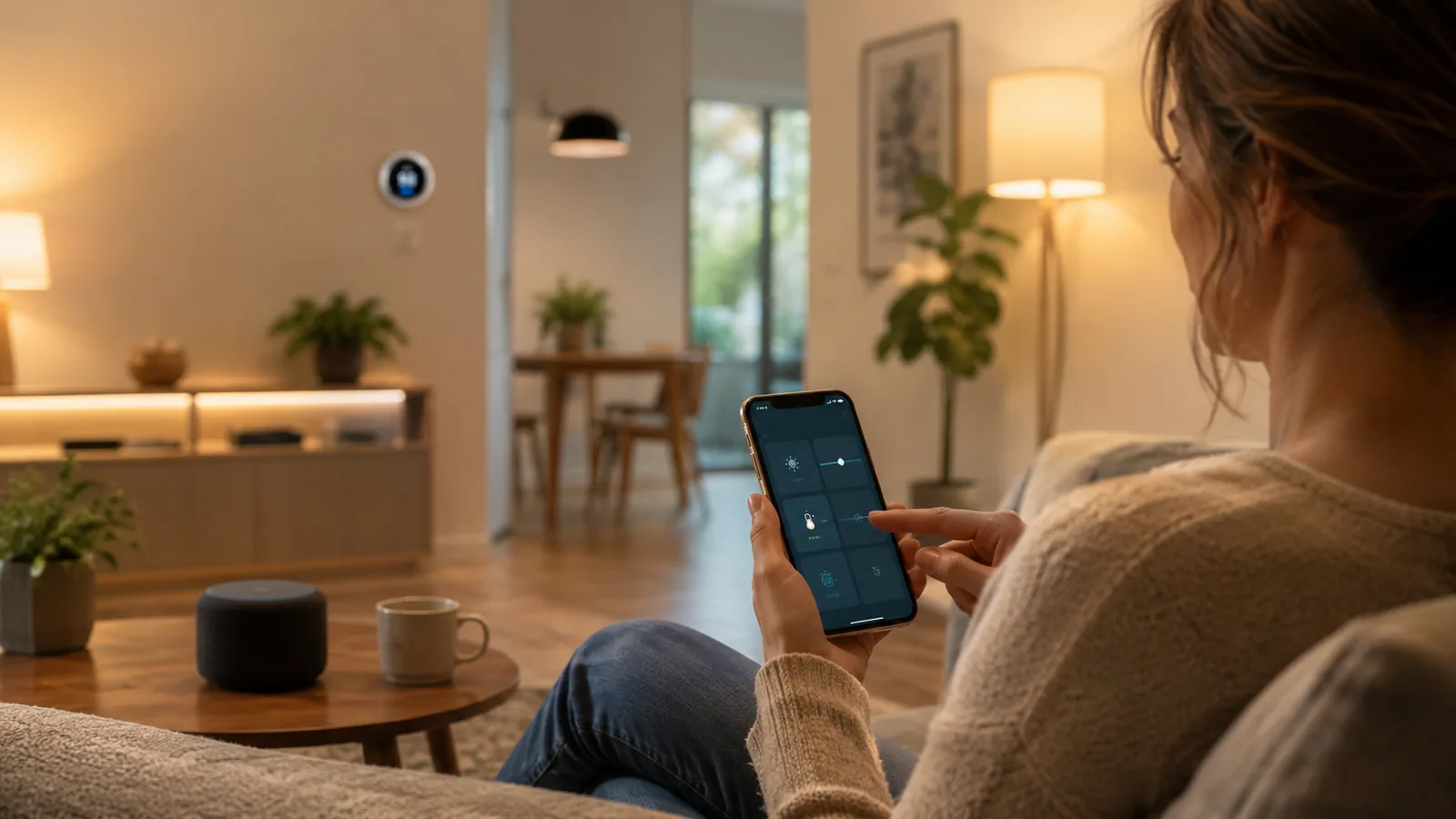
  • Smart Home: Where Technology Actually Saves Without Overspending

    Smart Home: Where Technology Actually Saves Without Overspending

    Smart Home: Where Technology Actually Saves Without Overspending on Money no Sofa, with practical family budgeting and smart spending advice

    Smart Home: Where Technology Actually Saves Without Overspending starts from the Money no Sofa idea: money, home, technology and emotion are never separate. They meet in the living room, at the grocery store, on the phone, on the credit card statement and in the small rituals that make a family feel either in control or under pressure.

    Technology is useful when it reduces confusion. It becomes expensive when it creates urgency, comparison anxiety or the feeling that the newest option is always necessary. At home, the best digital choice is the one that saves time, prevents mistakes or helps the family spend with more clarity.

    The practical value test

    Before adopting a tool, app, device or subscription, define the problem it must solve. Does it help compare prices, avoid fees, protect passwords, organize bills or improve a daily routine? If the benefit is only curiosity, wait. Curiosity is not a budget category.

    Where technology can save money

    Price alerts, bank notifications, budgeting apps, safer passwords, streaming reviews and AI-assisted comparison can all help. The gain is not magic. The gain comes from better timing and fewer impulsive decisions. A family that checks prices over a few days often sees that the first offer was not the best offer.

    Where technology can cost more

    The same phone that helps you compare prices also makes it easy to buy in ten seconds. One-click checkout, sponsored recommendations and limited-time banners are built to shorten your thinking. The antidote is a simple rule: never buy an upgrade, subscription or gadget while tired, angry or excited by a match, a headline or a social post.

    A calm home system

    Keep a short list of approved tools: one app for bills, one for notes, one for price comparison and one secure place for passwords. More tools do not mean more control. Control comes from consistency.

    Money no Sofa recommendation

    Use technology as a filter, not as a trigger. If a tool helps the family wait, compare and choose with confidence, it deserves space. If it only creates desire, delete the notification and return to the sofa before spending.

    Smart home tools that can actually help

    A smart home purchase should reduce waste, protect time or make a repeated routine easier. The best devices are not the flashiest. They are the ones the family uses every week without creating another monthly cost.

    • Smart plugs: useful for controlling devices that stay on too long.
    • Energy monitoring: helpful when it reveals habits that increase the bill.
    • Smart lights: useful when they reduce unnecessary use, not just because they look modern.
    • Security cameras: worth considering only when they solve a real concern.

    What to avoid before buying

    Avoid buying devices that require extra subscriptions, duplicate something you already own or need constant maintenance. A smart home should simplify the house. If a product creates more apps, more passwords and more confusion, it may not be smart for your budget.

    FAQ: smart home spending

    Can smart home devices save money?

    Yes, but only when they reduce waste, energy use or repeated mistakes. A device that adds a subscription may cost more than it saves.

    What should families buy first?

    Start with the smallest tool that solves a real problem, such as a smart plug or an energy monitor.

    When is a smart home product not worth it?

    It is not worth it when it duplicates something you already own, needs another monthly fee or creates more work for the family.

  • Brazilian Budgets Between the Cup, Dollar and Rates Without Overspending

    Brazilian Budgets Between the Cup, Dollar and Rates Without Overspending

    Brazilian Budgets Between the Cup, Dollar and Rates Without Overspending on Money no Sofa, with practical family budgeting and smart spending advice

    Brazilian Budgets Between the Cup, Dollar and Rates Without Overspending starts from the Money no Sofa idea: money, home, technology and emotion are never separate. They meet in the living room, at the grocery store, on the phone, on the credit card statement and in the small rituals that make a family feel either in control or under pressure.

    Economic news can feel distant, but it enters the home through fuel, food, imported products, interest rates, installments and the exchange rate. A family does not need to predict markets. It needs a practical routine that protects daily choices when the outside world becomes noisy.

    Global news and the family budget

    The wider news cycle matters because money at home reacts to what happens outside the home. The proposed U.S.-Iran agreement and the reopening of the Strait of Hormuz eased oil-market pressure, while new U.S. tariff proposals on Brazilian imports kept families alert to imported inflation, exchange rates and shopping prices. For a household, the practical answer is not panic. It is a calmer buying routine: compare, wait, negotiate and avoid turning headlines into rushed purchases.

    Why headlines reach the cart

    Tariffs, oil routes, war risk, the dollar and interest rates can change the cost of products long before a family understands the whole story. Coffee, electronics, clothing, delivery, travel and supermarket items can all feel the pressure. The mistake is to react to every headline as if it were an emergency.

    The household protection rule

    Separate purchases into three groups: necessary now, useful soon and emotional. Necessary now can move forward with comparison. Useful soon can wait for a better price. Emotional purchases should pause for at least one day. This simple rule is more powerful than trying to guess the perfect economic scenario.

    How to buy during uncertainty

    Prefer cash discounts only when they do not weaken emergency reserves. Use installments only when the monthly payment fits without hiding the real price. Compare delivery costs, return policies and energy consumption. In uncertain periods, the cheapest label is not always the lowest total cost.

    The executive view for the home

    Companies protect cash when visibility is low. Families should do the same. That means reducing waste, delaying nonessential upgrades and keeping room for surprises. Calm is a financial asset.

    Money no Sofa recommendation

    Build a thirty-day buying list. Anything that survives thirty days is probably closer to a real need. Anything forgotten after a week was likely only noise from the news cycle, the algorithm or the mood of the moment.

  • Money Apps: What Helps and What Distracts Without Overspending

    Money Apps: What Helps and What Distracts Without Overspending

    Money Apps: What Helps and What Distracts Without Overspending on Money no Sofa, with practical family budgeting and smart spending advice

    Money Apps: What Helps and What Distracts Without Overspending starts from the Money no Sofa idea: money, home, technology and emotion are never separate. They meet in the living room, at the grocery store, on the phone, on the credit card statement and in the small rituals that make a family feel either in control or under pressure.

    Technology is useful when it reduces confusion. It becomes expensive when it creates urgency, comparison anxiety or the feeling that the newest option is always necessary. At home, the best digital choice is the one that saves time, prevents mistakes or helps the family spend with more clarity.

    The practical value test

    Before adopting a tool, app, device or subscription, define the problem it must solve. Does it help compare prices, avoid fees, protect passwords, organize bills or improve a daily routine? If the benefit is only curiosity, wait. Curiosity is not a budget category.

    Where technology can save money

    Price alerts, bank notifications, budgeting apps, safer passwords, streaming reviews and AI-assisted comparison can all help. The gain is not magic. The gain comes from better timing and fewer impulsive decisions. A family that checks prices over a few days often sees that the first offer was not the best offer.

    Where technology can cost more

    The same phone that helps you compare prices also makes it easy to buy in ten seconds. One-click checkout, sponsored recommendations and limited-time banners are built to shorten your thinking. The antidote is a simple rule: never buy an upgrade, subscription or gadget while tired, angry or excited by a match, a headline or a social post.

    A calm home system

    Keep a short list of approved tools: one app for bills, one for notes, one for price comparison and one secure place for passwords. More tools do not mean more control. Control comes from consistency.

    Money no Sofa recommendation

    Use technology as a filter, not as a trigger. If a tool helps the family wait, compare and choose with confidence, it deserves space. If it only creates desire, delete the notification and return to the sofa before spending.

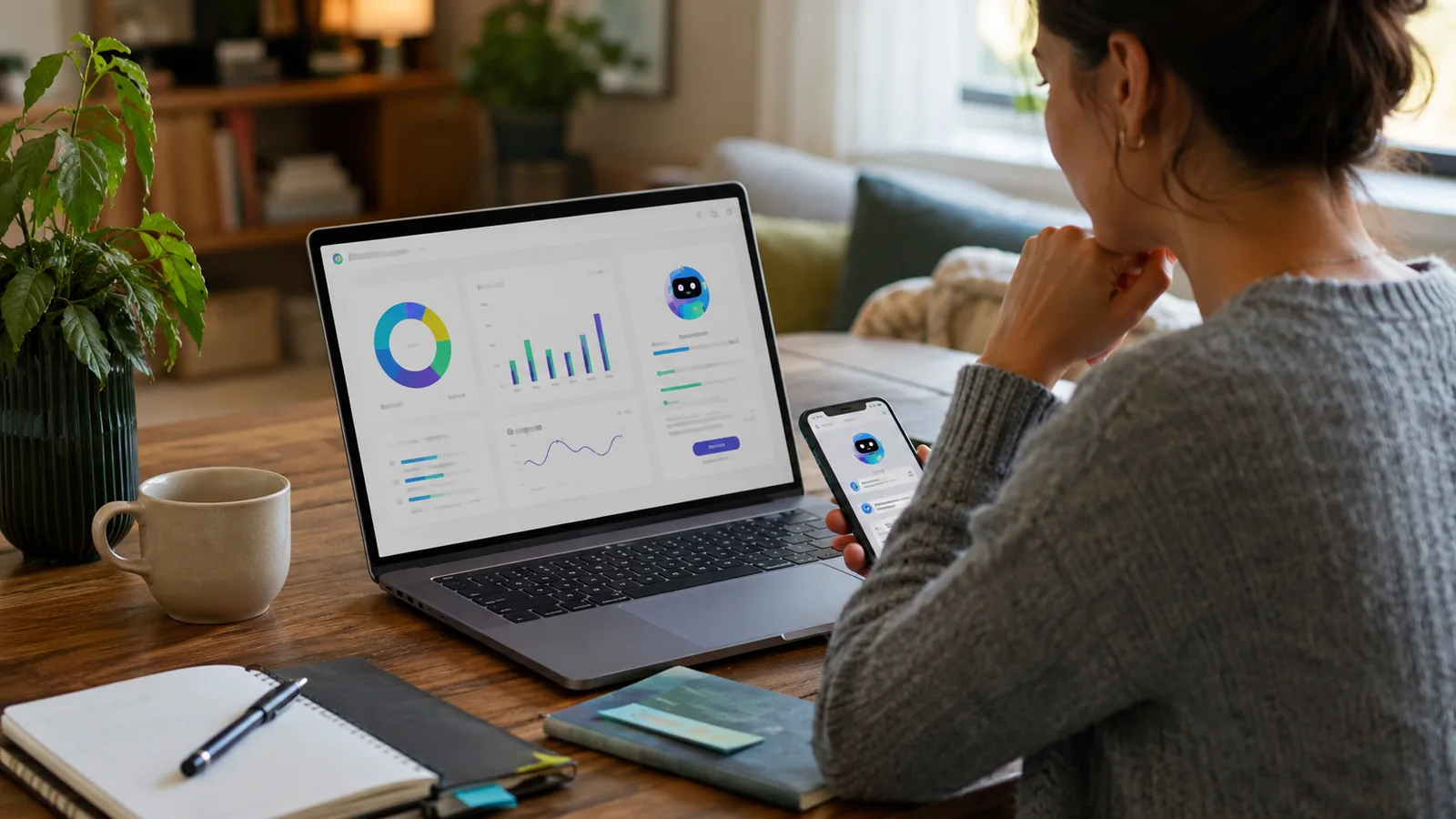
  • AI and Finance: Better Decisions at Home Without Overspending

    AI and Finance: Better Decisions at Home Without Overspending

    AI and Finance: Better Decisions at Home Without Overspending on Money no Sofa, with practical family budgeting and smart spending advice

    AI and Finance: Better Decisions at Home Without Overspending starts from the Money no Sofa idea: money, home, technology and emotion are never separate. They meet in the living room, at the grocery store, on the phone, on the credit card statement and in the small rituals that make a family feel either in control or under pressure.

    Technology is useful when it reduces confusion. It becomes expensive when it creates urgency, comparison anxiety or the feeling that the newest option is always necessary. At home, the best digital choice is the one that saves time, prevents mistakes or helps the family spend with more clarity.

    The practical value test

    Before adopting a tool, app, device or subscription, define the problem it must solve. Does it help compare prices, avoid fees, protect passwords, organize bills or improve a daily routine? If the benefit is only curiosity, wait. Curiosity is not a budget category.

    Where technology can save money

    Price alerts, bank notifications, budgeting apps, safer passwords, streaming reviews and AI-assisted comparison can all help. The gain is not magic. The gain comes from better timing and fewer impulsive decisions. A family that checks prices over a few days often sees that the first offer was not the best offer.

    Where technology can cost more

    The same phone that helps you compare prices also makes it easy to buy in ten seconds. One-click checkout, sponsored recommendations and limited-time banners are built to shorten your thinking. The antidote is a simple rule: never buy an upgrade, subscription or gadget while tired, angry or excited by a match, a headline or a social post.

    A calm home system

    Keep a short list of approved tools: one app for bills, one for notes, one for price comparison and one secure place for passwords. More tools do not mean more control. Control comes from consistency.

    Money no Sofa recommendation

    Use technology as a filter, not as a trigger. If a tool helps the family wait, compare and choose with confidence, it deserves space. If it only creates desire, delete the notification and return to the sofa before spending.

  • Home Finances: A Simple Rule for Decisions Without Overspending

    Home Finances: A Simple Rule for Decisions Without Overspending

    Home Finances: A Simple Rule for Decisions Without Overspending on Money no Sofa, with practical family budgeting and smart spending advice

    Home Finances: A Simple Rule for Decisions Without Overspending starts from the Money no Sofa idea: money, home, technology and emotion are never separate. They meet in the living room, at the grocery store, on the phone, on the credit card statement and in the small rituals that make a family feel either in control or under pressure.

    The living room reveals more about money than most spreadsheets. It shows what the family watches, what it buys, what it postpones, what it celebrates and what it regrets. Good financial decisions often begin with a pause, not with a calculator.

    The sofa pause

    A pause does not mean doing nothing. It means creating distance between desire and payment. Sit down, look at the purchase, check the reason and ask whether it improves the home or only fills a moment. That short delay can prevent expensive habits.

    Small costs, big pressure

    Most budgets do not break because of one dramatic purchase. They get tired through delivery fees, forgotten subscriptions, small installments, repeated snacks, duplicate tools and upgrades bought without a plan. The numbers look small alone, but they behave like a crowd.

    A better home routine

    Choose one day per week to review food, bills, subscriptions and upcoming purchases. Keep the conversation practical and calm. The goal is not guilt. The goal is to make the next week easier. Families need simple systems that survive real life.

    Smart spending is not restriction

    Spending well means giving money a job. Some money creates comfort. Some protects the future. Some buys memories. The problem is not buying. The problem is buying without knowing which job the purchase is supposed to do.

    Money no Sofa recommendation

    Keep three lists: buy now, wait, and forget. The buy-now list should be short. The wait list protects you from impulse. The forget list is proof that many desires disappear when the family gives them time.