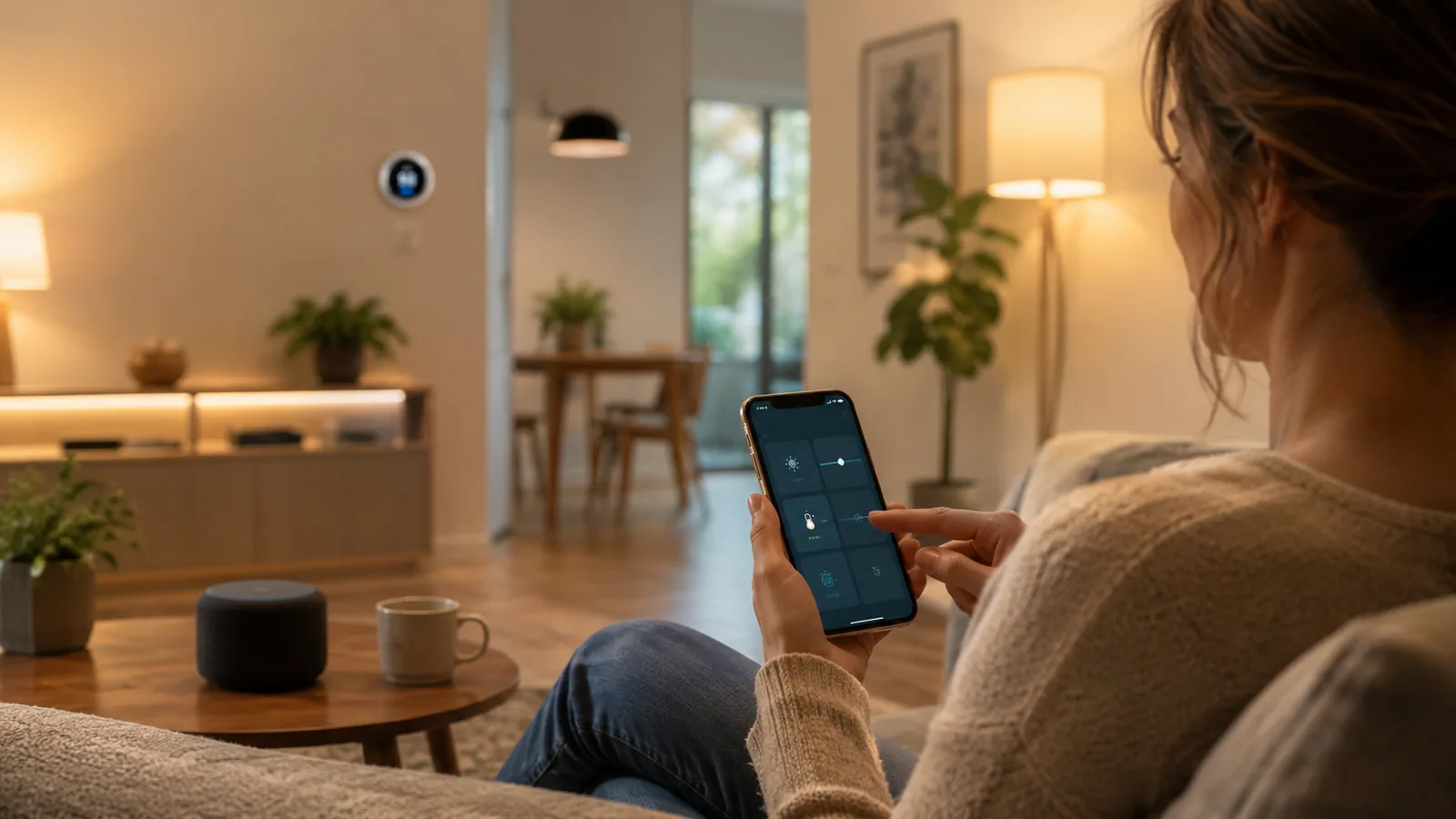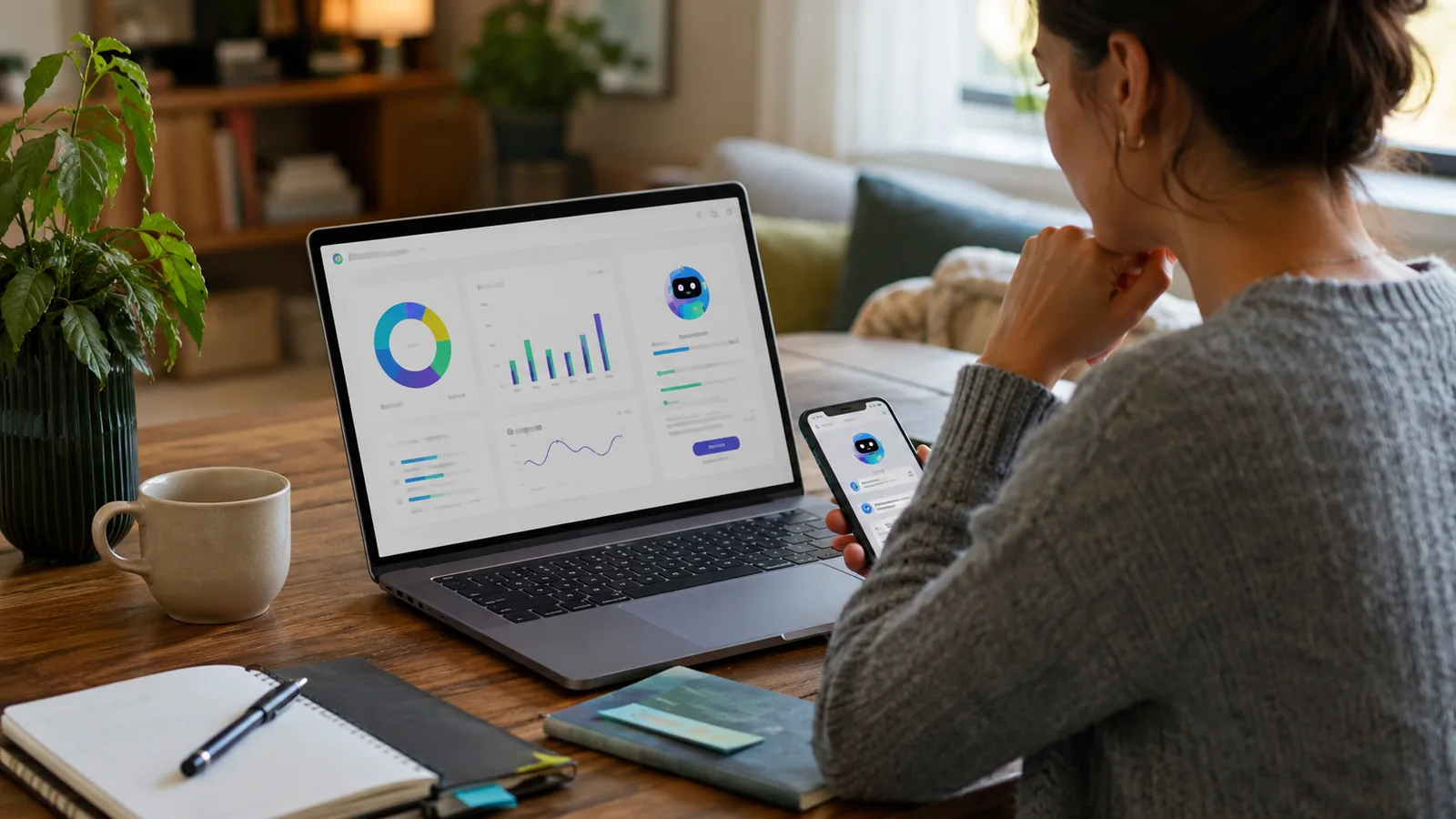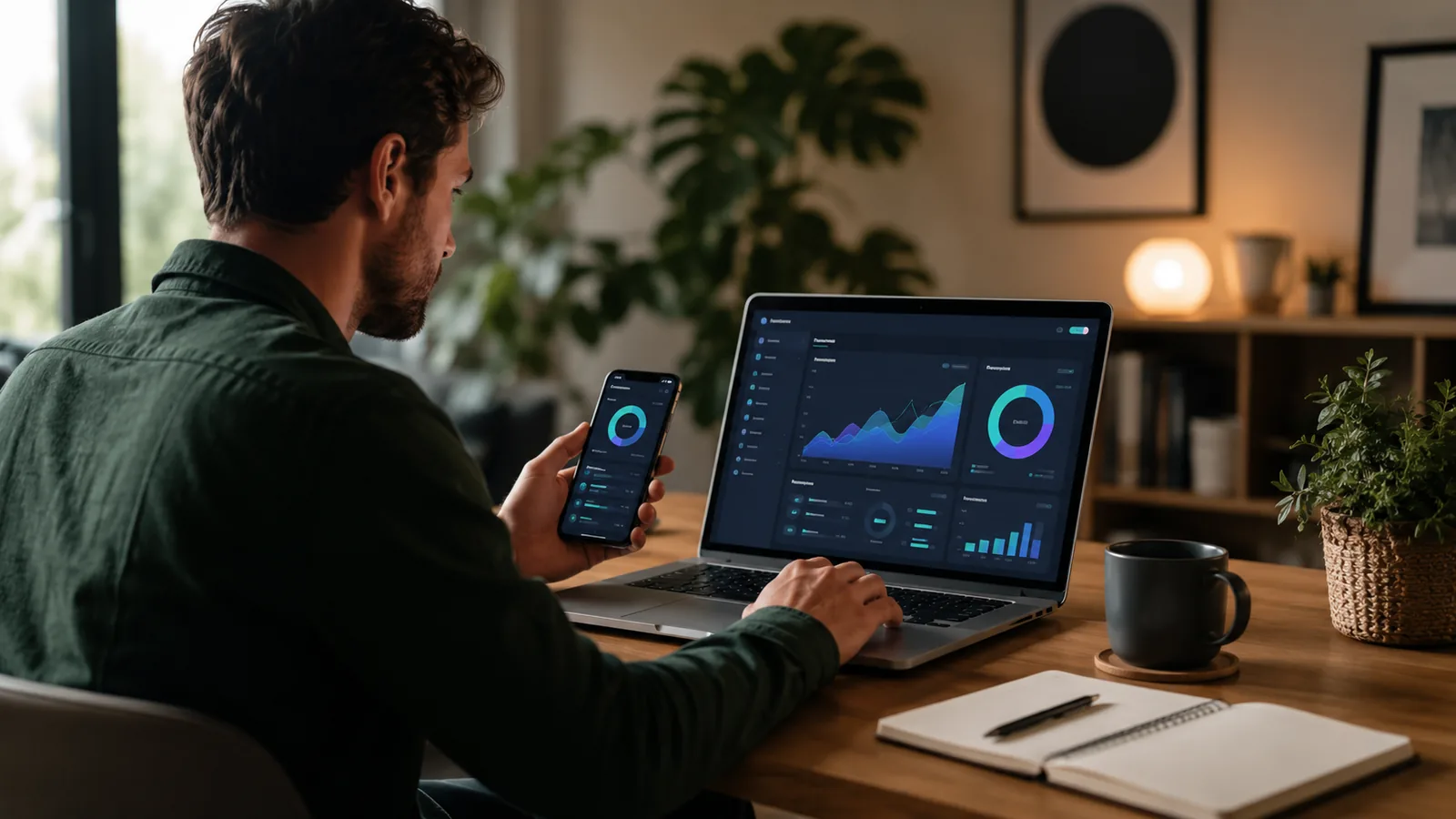

Cybersecurity at Home: Protect Your Money Without Overspending starts from the Money no Sofa idea: money, home, technology and emotion are never separate. They meet in the living room, at the grocery store, on the phone, on the credit card statement and in the small rituals that make a family feel either in control or under pressure.
Technology is useful when it reduces confusion. It becomes expensive when it creates urgency, comparison anxiety or the feeling that the newest option is always necessary. At home, the best digital choice is the one that saves time, prevents mistakes or helps the family spend with more clarity.
The practical value test
Before adopting a tool, app, device or subscription, define the problem it must solve. Does it help compare prices, avoid fees, protect passwords, organize bills or improve a daily routine? If the benefit is only curiosity, wait. Curiosity is not a budget category.
Where technology can save money
Price alerts, bank notifications, budgeting apps, safer passwords, streaming reviews and AI-assisted comparison can all help. The gain is not magic. The gain comes from better timing and fewer impulsive decisions. A family that checks prices over a few days often sees that the first offer was not the best offer.
Where technology can cost more
The same phone that helps you compare prices also makes it easy to buy in ten seconds. One-click checkout, sponsored recommendations and limited-time banners are built to shorten your thinking. The antidote is a simple rule: never buy an upgrade, subscription or gadget while tired, angry or excited by a match, a headline or a social post.
A calm home system
Keep a short list of approved tools: one app for bills, one for notes, one for price comparison and one secure place for passwords. More tools do not mean more control. Control comes from consistency.
Money no Sofa recommendation
Use technology as a filter, not as a trigger. If a tool helps the family wait, compare and choose with confidence, it deserves space. If it only creates desire, delete the notification and return to the sofa before spending.
Simple digital money checklist
A safer home money routine does not need expensive software. It needs a few habits repeated every week. Start with the basics before buying another app or device.
- Turn on bank alerts: every card purchase should generate a notification.
- Review subscriptions: cancel tools that no one in the house uses.
- Use strong passwords: one weak password can create expensive problems.
- Delay purchases: keep non-essential digital purchases on a 24-hour waiting list.
- Compare before upgrading: a new gadget should solve a real problem, not just create excitement.
When a paid tool is worth it
A paid app or service is worth considering when it saves more money than it costs, reduces mistakes or protects something important. If the tool only adds another dashboard, another login and another monthly fee, it may be noise disguised as control.
FAQ: safer digital money habits
Do families need many finance apps?
No. One simple routine is usually better than several apps that no one checks consistently.
What is the first digital habit to fix?
Start with notifications from your bank and card. Fast alerts make it easier to notice problems and control spending.
When should a family pay for a digital tool?
Only when the tool clearly saves time, avoids mistakes or supports better decisions every month.